Archive for November, 2007

Sweet Potato Scones

sweet potato scones

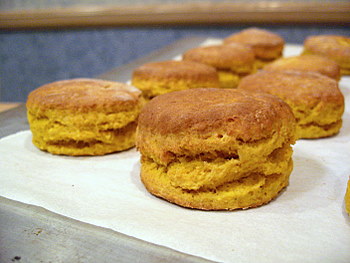
 A scone is a quickly made pastry, a mix of flour and butter that is baked in a hot oven until flaky and golden. Scones, at least here in the US, are rarely served plain. Instead of the basic perfect-with-jam-and-clotted-cream scone that you might find served at an afternoon tea, we’re a lot more likely to see them augmented with dried fruits, sugar or other flavorings and served with coffee for breakfast. Not that there is anything wrong with that – I personally like scones in just about any form they take (as long as it’s a good scone, of course) and am just as partial to traditional ones as some of the more creative varieties. These scones, for instance, are a take on a traditional pumpkin scone.

Pumpkin scones are pretty popular in Australia, where they are paired with savory dishes (like a biscuit) a bit more often than with sweet. I always enjoyed them when I had them there, so when I finally came across a good recipe for pumpkin scones, I couldn’t wait to try it. Unfortunately, I used up all my pumpkin making chocolate pumpkin pies for friends and family over the past couple of weeks and my desire to make the scones immediately was at odds with the ingredients in my cabinet.

Immediacy won out in the end and I opted to use sweet potatoes in place of the pumpkin. Cooked, mashed sweet potatoes (baked, then cooled) have almost the exact same consistency as cooked, mashed pumpkin, and they have the same appealing natural sweetness. The finished scones are both sweet and savory. As you might expect with such a lean dough, they are a bit denser than a very butter-rich scone, but that doesn’t detract from the overall taste or texture. You can serve these with butter and jam (I like pumpkin butter, personally), but they really work well when served in place of a more traditional biscuit with soup or a savory meal.

+Continue Reading

Food and drink hacks

Lifehackeris a weblog dedicated to searching out tips and tricks to make your life easier. It primarily focuses on software and technology, but since the blog’s inception it has reached out into other areas more than a few times. The team over there recently compiled a list of their top 10 Food and drink hacks: little “hacks” that make food prep and storage quicker, more efficient or just more interesting.

Their list includes instructions on how to turn a cd storage case into a bagel tote (#9), how not to cry when chopping onions (#3) and how to open a beer or soda bottle using nothing more than a piece of paper (#1).

Reading through their top 10 and watching the handful of associated videos makes me wish I had more of my own food hacks. Does it count if I use a muffin pan for more than just muffin making, in place of using specialty pans for things like making popovers?

Are pricey cupcake mixes worth it?

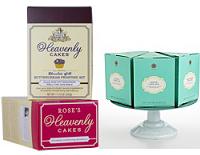
cake mixesAs you might expect, I’m much more likely to advocate baking a batch of homemade cupcakes from scratch instead of using a boxed mix. The term “boxed mix” tends to assume that you’re using something that cost about $3 at the grocery store, though, and lately more and more high-end cake and cupcake mixes have been popping up in stores. Martha Stewat has some, Ina Garten has many and even cupcake stores like Sprinkles have a line. Prices tend to be about $11-14 per box – a significant jump over Betty Crocker. In this month’s Good Housekeeping magazine, they put several of these popular high-end mixes to the test to see if they were worth it.

Most of the mixes, as it turned out, were pretty good. The Martha Stewart Collection mixes produced great cakes and came with instructions for glazes and fillings. Rose Levy Beranbaum’s cupcake and frosting kits were a bit complex, but the results were worth it. Barefoot Contessa‘s mixes took almost no work and still came out perfectly, and the ultra-rich Jacques Torres brownies (not quite cupcakes, but close) were said to be to die for. But not all the mixes tested well, so we have to conclude that price is not always an indicator of quality when it comes to cake mix. The Sprinkles cupcake mixes, even when tested by skilled bakers, produced cakes that were bland and dense – and fell far, far short of the cheap and moist supermarket brands.

Artisanal Salt Sampler

artisinal salt setI have a confession to make – (insert pause for deep breath) — I’m an addict.

You’re probably thinking that my addiction might be sugar, flour, chocolate or perhaps baking in general. But, no. If pressed, I would actually say that my addiction is to salt. I like salt on chocolates and in caramels, and have even used it to finish off a batch of oatmeal cookies. This is to say nothing of the fact that a sprinkle is just about always necessary to bring out the flavor in a savory dish.

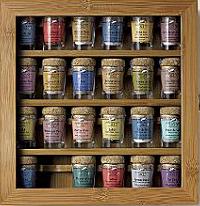
I happen to know more than a few people who feel the same way about salt as I do, and for those whose personal collection isn’t quite as developed, I think that this Artisinal Salt Sampler would make a great holiday (or anytime) gift. It includes 24 different kinds of salt from around the world, several of which have also been imbued with additional flavorings or spices. To name just a few, you’ll find Bali salt with coconut and lime, Alaea Hawiian salt, gray sea salt, fleur de sel and Chardonnay oak-smoked salt.

Gingerbread Men

gingerbread men in scarves

When I was a kid, I didn’t like gingerbread cookies. They were always cute and looked tempting, but the taste was a let down time and time again. The cookies either verged on choking me with spices or had so little spice they tasted bland. Even worse was the texture, since half the time the cookies were so hard that I worried I’d break a tooth trying to bite into them. None of this would have been a problem if I had baked my own gingerbread cookies, I’m sure, and I wouldn’t have had to wait until adulthood (I’ll concede that I may have had a good gingerbread man or two as a teenager) to really enjoy them.

This is one of my favorite gingerbread cookie recipes. The dough comes together quickly and is very easy to work with. It is a rolled cookie dough that needs to be refrigerated before you can take cookie cutters to it, so the waiting is the worst part. The dough can be rolled and rerolled several times without toughening up the resulting cookies and, while the cookies do puff up some during baking, they hold their shape pretty well.

On top of all of that, the cookies taste great. I think I hit upon my favorite gingerbread spicing combination here, with a generous amount of ginger accented with cloves, cinnamon and nutmeg. I almost always throw in a pinch of black pepper for some extra bite. The cookies can be baked up to get two different results. If you roll them out to be on the thicker side (just under 1/4 inch thick), they will be soft and chewy, and will stay that way even if they’re stored for several days. If you roll them out a bit thinner (1/8 inch or less) the cookies will be crisp, but not hard. Both crispy and chewy cookies should be frosted after they have cooled. I like a lemon-flavored icing for decorating, as it complements the spiciness of the gingerbread and brightens up the cookie as a whole. You can also top the cookies off with sprinkles or chopped, candied ginger if you prefer not to ice them.

+Continue Reading