Archive for the ‘Puddings, Custards and Mousses’ Category

Tocino de Cielo is a dessert that is a tradition in Southern Spain. It is very similar to flan, especially in appearance, but the two desserts are made with very different components. A flan is made with whole eggs, and milk or cream (usually both), while tocino de cielo is made only with egg yolks, sugar and water. That might actually sound too simple, but this combination of ingredients leads to an extremely light and tender custard – much lighter than a traditional flan or creme caramel – with a fantastically smooth mouth feel.
The name actually means Bacon from Heaven – although it contains no bacon – and there are a variety of stories that try to describe how the name came to be. The dessert itself originated in Jerez de la Fronteta, a city in Andalucia that specializes in sherry production, and egg whites were used to clarify the sherry. This led to a surplus of yolks available for cooking. This custard was perfect for using up a whole bunch of egg yolks in one dish.
To prepare the custard, a sugar syrup is infused with some citrus, and is then cooled and blended with egg yolks before being poured into ramekins. I used both lemon and orange to flavor my syrup, cutting a 2-inch strip of the zest off of each fruit and adding it to the syrup. The ramekins, which are prepared with a layer of caramel at the base before bring filled, are baked in a water bath until the custards are set.
The dish originated as a way to use up leftover egg yolks and is still is a wonderful way to put leftover egg yolks to good use. It is also a good way to create a surplus of egg whites for angel food cake and meringues, because these custards are so heavenly that you’ll want to make them on a regular basis.
+Continue Reading

Lemon curd is such a versatile product that I love to have it in my kitchen. I’ll happily eat it plain, but I also regularly reach for it as a cake (or cupcake) filling and even add a dollop or two to buttercream for flavoring. One other dessert I like to make with lemon curd is a simple Lemon Mousse that is made just by folding lemon curd into some lightly sweetened whipped cream.
Lemon Mousse Verrine consists of layers of simple lemon mousse stacked with a layer of lemon curd. I definitely recommend using homemade lemon curd or homemade meyer lemon curd for the best results (I used meyer lemon curd in this dessert), but you can get away with store-bought, too. I topped my dessert off with some gingersnap crumbs to add a little crunch to each bite, and set a few on the side for dipping (which I also recommend!). Graham crackers also make a great accompaniment to the dessert.
A verrine is simply a dessert that is layered in a small glass. This kind of presentation is a great way to dress up a relatively simple dessert and make it look very elegant. Any kind of small glass will work, including brandy and wine glasses, although I personally am partial to straight-sided glasses because it is very easy to see the layers. I don’t use glasses that hold more than 6-oz for desserts like this, but this recipe is very easy to scale up or down to make it fit your glasses and the number of people you’re serving.
+Continue Reading

There is something very comforting about about a bowl of homemade vanilla pudding. I ate it all the time as a kid – usually made from a handy box of pudding mix, which I could easily make myself – and still enjoy the way a bowl of pudding will bring a little happiness into my day now. These days, of course, I make my vanilla pudding from scratch, which makes it a little more satisfying over all. It is easy to make and requires just a few ingredients. From start to finish the pudding takes about 15 minutes to make, then you’re ready to eat a bowl of creamy, smooth and very vanilla-y pudding.
I give this homemade pudding an extra vanilla boost by using a vanilla bean for flavor, rather than relying on vanilla extract. I first infuse the milk with the bean and then scrape the seeds into the pudding mixture. You get a great vanilla flavor and capture some of the floral notes of the vanilla bean by doing this, and it doesn’t take any more time than stirring in vanilla extract (which does still make a good pudding if you don’t have whole beans). I also tend to use whole milk when making this pudding, as it gives the finished custard a thicker, richer consistency. The recipe will work just as well with low fat milk, but if you are using low fat milk and prefer your pudding on the thick side, add an extra 1/2 tbsp or so of cornstarch for extra thickening power.
Once your pudding is finished, you can eat it warm or serve it chilled. It is more delicate (i.e. less thick) and custard-like than some puddings, but it will be slightly thicker after it has been completely chilled. If you like the “skin,” leave your pudding uncovered as it cools. If you prefer skin-less pudding, press a piece of plastic wrap onto the surface of each of your pudding cups and leave it there as they cool.
+Continue Reading

Eggnog is a thick, dairy-based drink made with milk, sugar, eggs and spices, usually nutmeg and vanilla. It is often spiked with a little bit of liquour and it is typically served during the winter, particular around holidays like Christmas and New Year’s. It’s a fun drink to make, but the thick, creamy beverage can also be put to a number of other good culinary uses and lend its unique flavor to other desserts.
This Eggnog Panna Cotta is a perfect example. Panna cotta is a light, delicate custard that uses gelatin to thicken it. Eggnog has a thick, rich consistency and adds just the right amount of creaminess to a panna cotta – along with a Christmasy flavor. To make the base of the recipe, I combined milk, eggnog, vanilla, nutmeg and some sugar with a little gelatin. Once all the ingredients are incorporated, the mixture can be left alone to set in ramekins in the fridge. Although you can make your own eggnog, storebought eggnog works just fine in this type of recipe. I recommend using a full fat eggnog (although the recipe will still set if you use a low fat type) because you’ll get a much better, creamier result in the end.
Eggnog is often served spiked with rum or brandy. I personally like it plain, with the flavors of egg, vanilla and nutmeg shining through, so that is how I left this panna cotta flavored. If you want to spike your panna cottas, substitute a small amount of the milk with rum (3 tbsp should be sufficient) and make the recipe as directed, dissolving the gelatin in the milk and adding the rum in with the eggnog. You can also add in 1/2 tsp rum extract without changing anything else in the original recipe.

+Continue Reading

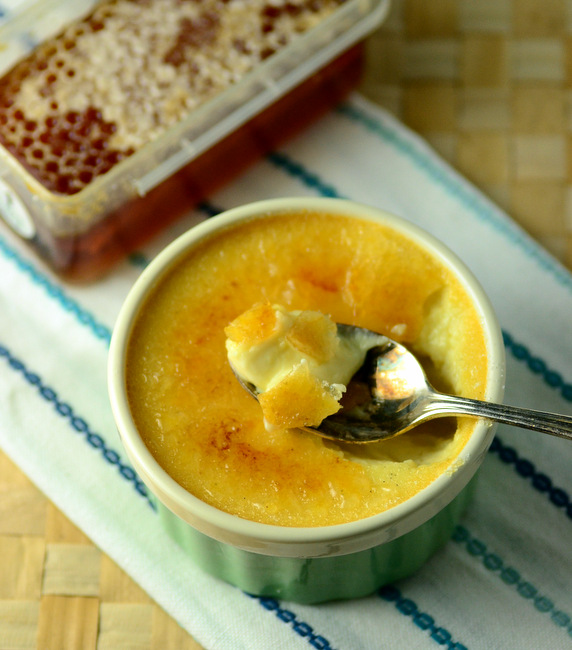
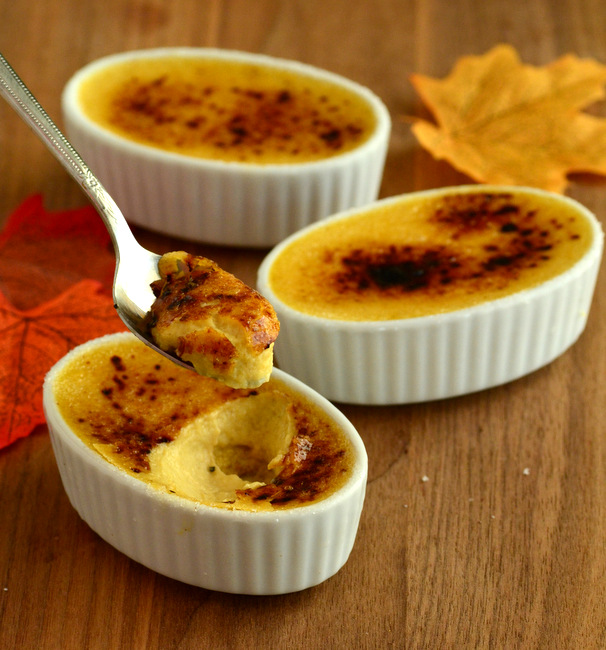
Creme brulee is one of those desserts that most people only have in restaurants because they don’t know that it’s actually a very simple dessert to make at home. A basic creme brulee is a baked vanilla custard that is topped with a layer of caramelized sugar. The sugar snaps when you crack into it with a spoon, revealing the smooth custard below. The caramelized sugar can get a slightly burnt in places, adding a slightly bitter flavor that is actually a lovely contrast to the sweet, creamy dessert.
Another reason that many people don’t make creme brulee at home is that they feel it requires special equipment. Most creme brulees are served in small, flat dishes or unusually shallow ramekins where you get a high crust-to-filling ratio. You don’t need any special dishes: regular 4 or 6 ounce ramekins (or other similar sized, oven-safe baking cups) still make a very good creme brulee and have the advantage of giving you a thicker and more indulgent custard layer. The sugar is typically cooked with a kitchen torch, and you can caramelize yours under the broiler if you don’t have one. That said, a kitchen torch is one piece of equipment I would definitely recommend getting because (a) if is fun to use and (b) you’ll be more likely to make creme brulee when you already have one.
This creme brulee is starts by making an egg-rich custard on the stove. Since creme brulee should be an indulgent dessert, I use some heavy cream when making mine. You can infuse the cream with a vanilla bean in advance, or simply add vanilla flavor with vanilla extract – both options work well. As much as I like vanilla beans, using vanilla extract seems to let the naturally eggy flavor of the custard come through a bit more. Once the custard has been prepared, it is poured into ramekins and baked in a water bath. The water bath keeps the custard at a low, consistent temperature and prevents bubbles from forming and helps keep the top of the custard smooth. If the top of your custard browns a little bit during baking, don’t worry, as it will be covered with sugar when you brulee it.
The custards should be thoroughly chilled before adding sugar for the topping. I like to use super fine sugar, but regular sugar will also work (finer sugar is generally better for this than coarser sugar because it melts faster), and I put a generous layer on so I will have a nice, thick crust. I caramelize it using my kitchen torch, then allow the caramel to set for about a minute before serving. You end up with a crisp caramel that is still warm and a cool custard below. The creme brulees can be bruleed in advance and stored in the refrigerator, but it is best not to leave them in the fridge for more than 1-2 hours to ensure that the caramel will remain perfectly crisp when ready to serve.

+Continue Reading