Archive for the ‘Pie and Tart Crusts’ Category

Blood Orange Tart

Blood Orange Tart
Blood oranges are definitely the jewels of the citrus world. Their red vibrant red color makes them a standout, and they’re known for being very sweet, with floral and berry notes that you don’t find in other citrus varieties. I often eat them plain, as their color gets lost in most recipes that call for oranges, but their flavor can be a great addition to many desserts.

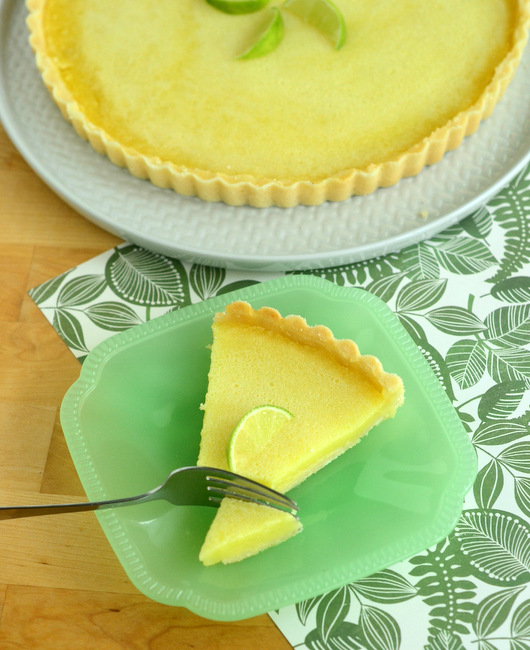
This Blood Orange Tart has a curd-like filling made with fresh blood orange juice and orange zest. The filling takes on a slightly pinkish orange hue from the blood oranges. It is creamy, with a bright orange flavor, and is a nice match for the shortbread-like tart dough. The filling is not very thick, which makes this tart seem quite light. Using a 9-inch tart pan will get you a slightly thicker layer of filling, which might take an extra minute or two in the oven to bake all the way through.

I made an Orange Almond Tart Dough for this recipe, adding some fresh orange zest to an almond-enriched tart dough. The dough is fairly sticky and it is very tender, so use flour generously when you roll this out on your work surface and have a bench scraper handy to make it easy to transfer to the tart pan. Fortunately, this dough also patches very, very easily so if it tears as you put it into the pan or isn’t quite even, you can simply break off another small portion of dough and press it into place. The baked crust is slightly crisp, buttery and very tender – so it is worth a little extra effort getting it into the pan.

Blood oranges can vary quite a bit in their color, from light orange with a few red streaks to a dark purple. No matter the color inside, any blood orange is going to give you good results in this recipe. The only difference will be some slight variation in the color of the curd. This tart can be made with other oranges (cara cara and naval oranges are good choices), too, if you can’t find blood oranges to work with. Regardless of the type of orange, be sure to use freshly squeezed juice for the best results.

Blood Orange Tart Slice

+Continue Reading

Vanilla Almond Tart Crust

Vanilla Almond Tart Dough
Vanilla and almond is a good combination in just about any dessert, so it should come as no surprise that a tart crust that combines those two flavors is a terrific basic tart crust recipe. This buttery Vanilla Almond Tart Crust has ground almonds and vanilla extract in it, and bakes up into a crisp and tender crust that can be used for all kinds of desserts. The recipe makes plenty of dough for a 9 or 10 inch tart pan, and can also be used for a number of smaller tarts, and it works well with both baked and unbaked tart fillings. It goes particularly well with chocolate fillings and fruit fillings, and I often use it as a base for my Strawberries and Cream Cheese Tart.

This tart dough comes together easily and is much less fussy than a pie crust can be. The dough has ground almonds in it and uses cake flour, which has less gluten in it than all purpose flour, to help produce a more tender crust. The cake flour should be measured by spooning it into your measuring cup, then sifting it into the rest of the tart ingredients. Cake flour can be clumpy if it is not sifted, but for this recipe it is not necessary to sift it before measuring it out.

This tart dough is very sticky, so it is important that you chill it well before using it. That stickiness also means that the dough will be crisp and tender after baking, not tough. I usually stick the dough into a gallon-sized plastic bag, press it into a flat layer and chill it thoroughly in the refrigerator or freezer (freezer is best if you need to chill your dough quickly). I then roll it out on a lightly floured surface and am ready to line my tart pans!

+Continue Reading

Coconut Custard Pie

Coconut Custard Pie
As a fan of coconut, I like it in most types of desserts and baked goods. This includes cakes, cookies, muffins and pies. Coconut cream pie is probably the most common type of coconut pie you’ll find. It is made with a pudding-like filling that is packed with shredded coconut and poured into a prebaked pie shell, very similar to a chocolate cream pie. Coconut Custard Pie is a little different than a cream pie and just might be a better way to enjoy coconut.

Coconut Custard Pie has an eggy custard base that is not pre-cooked, but baked right in the pie shell. Rather than having a pudding-like texture, it has a more delicate texture to it, like that of a creme brulee or other baked custard. Of course, this particular pie is also packed with coconut, so some of that delicate texture usually associated with baked custards is lost with the generous amount of shredded coconut that is also in the filling because that adds a lot of texture to the pie.

I use sweetened shredded coconut, but you can also use unsweetened without making any changes to the recipe. Some coconut pie recipes call for using only toasted coconut. You can use only toasted coconut in this recipe if you prefer that toasty flavor. I prefer to use untoasted coconut because I like the contrast it creates as the pie bakes: the top becomes crispy and toasted, while the coconut inside the filling remains slightly chewier. Either way, you end up with a pie that has terrific coconut flavor, a creamy and eggy base and a buttery, flaky pie crust.

Coconut Custard Pie
+Continue Reading

Individual Cranberry Apple Pies

Individual Cranberry Apple Pies
You can’t go wrong with apple pie for any occasion and this is especially true when it comes to miniature pies. Mini pies give you the option of having a whole pie (that you can actually eat in one sitting!) all to yourself, and a stockpile of other little pies that you can either share or pop into the freezer for later.

These Individual Cranberry Apple Pies are apple pies with a sweet-tart cranberry twist to them. The apple pie filling is basically the same one that I use when making regular mini apple pies, but when I put the filling into the pies, I also add a generous scoop of whole berry cranberry sauce. I find that the cranberry sauce not only has a wonderfully bright flavor that works well with the lightly spiced apples, but that the consistency of the sauce is a lot like pie filling to begin with and so it incorporates into the pies very well. I tend not to use apples that are too tart when making this combination (skipping granny smiths in favor of something milder) because I don’t want the filling for my pies to be too tart and I want there to be a clear difference between the apple and the cranberries.

I always use homemade cranberry sauce when making this recipe, but there are good store bought brands out there that will also work perfectly well in this recipe (and save some time over making your own sauce). Just be sure to choose a whole-berry sauce and not a cranberry jelly, which will not really incorporate well into the pie filling. Choosing a cranberry sauce that has other elements in it – such as orange zest, cinnamon or other spices – will just make the pie that much more interesting.

These pies can be baked in miniature pie pans, individual muffin pans or prepared in a countertop pie maker, such as my mini pie maker from Breville (which I used to make the pies pictured here). They can be served hot or at room temperature. Leftover pies can be cooled, frozen and reheated in the oven or in a pie maker to crisp them up for later snacking. However you serve your pies, don’t forget to top them off with a big scoop of vanilla ice cream, which is the perfect finish to this pie filling.

Individual Cranberry Apple Pie, sliced
+Continue Reading

All-Shortening Pie Crust

Shortening Pie Crust
Many bakers swear by all butter pie crusts, but for every one who does, there is a baker who swears by pie crusts made with only vegetable shortening. Vegetable shortening can make a great pie crust. It is easy to work with and will turn out a crust that is consistently tender, which is a trait that has been winning pie lovers over for decades.

When making a pie crust with shortening, you should chill the shortening (and I recommend looking for trans-fat free shortening, of course!) thoroughly in the refrigerator before working with it. The shortening can be cut into your flour mixture just as butter can be, using your fingers, a pastry cutter or a food processor. Shortening has a higher fat content than butter (100% vs 80-85%) that is a bit less likely to get tough as you handle it. This can actually make vegetable shortening crusts a safer choice for pie crust novices who are worried about getting a good result from their homemade crusts, and it’s a bonus for experienced bakers who like that extra security.

Since a shortening crust is less likely to toughen up with extra handling, it is perfect for making a decorative crust, just as I have done in the photo above. The scraps from your pie dough can be rerolled and cut out with a small cookie cutter, and the resulting decorations can be pressed onto the pie’s crust for a very elegant touch to your dessert. Shortening crusts won’t brown as much as all butter crusts will, so expect your baked crust to be a blonde color rather than a deep amber. If you want to enhance browning, brush the edge of your crust with a little cream before baking. If you opt for butter-flavored shortening instead of a plain variety – I usually use Crisco when I’m using shortening – your crust will take on a little more color, as well.

I have made crusts with all butter, all shortening and with a blend of the two (my personal favorite) and get good results with all of these options. This is my basic all shortening recipe and it should deliver just as good results for you as it does for me.
+Continue Reading