Loose Leaf Tea Tumbler

Loose Leaf Tea TumblerBoth coffee and tea are staples in my diet, with breakfast, with baked goods and with dessert. I also often take an insulated mug or thermos out with me when I’m on the go, especially on chilly mornings. This works best with coffee, as tea bags left in thermoses will easily oversteep, and loose leaf teas take extra time in their preparation. When I saw this Loose Leaf Tea Tumbler, I immediately was drawn to it. The thermos’s lid has a specially designed tea steeper built into it for loose leaf teas! Simply fill the wire mesh basket with the tea of your choice, fill the thermos with hot water, screw the lid on and flip the whole thing upside down. With this design, the tea can steep in the water as long as you’d like and when it’s done, simply flip the thermos back over. This stops the steeping and you can drink your hot, perfectly-brewed tea as you might from any other thermos or teapot.

I also think that this, along with a couple of loose leaf teas, would make a fantastic gift for someone who likes tea, whether they already drink a lot of loose-leaf or want to venture out from pre-bagged teas into more exciting options.

Shortbread Lattes from Starbucks

SBL, shortbread latteLast week, the Starbucks stores in my neighborhood rolled out their holiday drinks - namely the gingerbread (yum!), peppermint mocha and eggnog lattes. I noticed that several stores had special announcements of another drink: a shortbread latte. The drink wasn’t on the regular menu board, but merely written up on the chalkboard with the rest of the specials. My first thought was that it was a concoction that some creative baristas came up with, but as I saw it listed at more and more stores, I realized that it was a new, up-and-coming holiday drink. My barista confirmed my suspicions and was more than happy to make me up a sample.

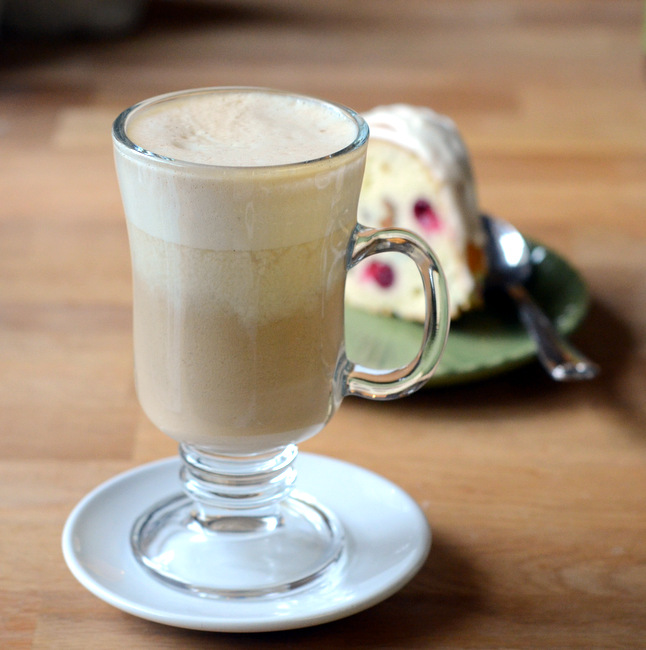
The drink is made like a typical latte - espresso and steamed milk - but enhanced with a shortbread syrup and topped with whipped cream and shortbread cookie crumbs. I was completely surprised that I liked the drink, given that “shortbread” usually makes me think of butter and the idea of a butter-flavored drink (my initial expectation) was not particularly appealing. The drink actually tastes much better than it sounds, subtle and buttery with a cookie aftertaste. The shortbread crumbs are delicious and a very unusual touch. I’m never one to get whipped cream, but I’m glad I tried the full drink for the shortbread crumb effect.

No idea if - or when - Starbucks will put this drink out into a wider release, but if it’s available in your area and you’re a fan of shortbread (or even just of cookies in general), it’s definitely worth a try!

The perfect Cuppa

cuppa mugsPeople have always gotten along just fine by “eyeballing” the amount of cream or milk that they add to their coffee. But why estimate when you can get your cup of coffee or tea just the way you like it every time without guessing? One solution is to emulate a few of the more precise coffee drinkers out there and measure the exact amount of milk that you want in your mug. A better solution - one that allows you to add a few new mugs to your collection - seems to find us in the MyCuppa Mugs. There is one mug for coffee and one for tea, and each is lined with color-coded stripes that guide you into getting the perfect color (milk to coffee/tea ratio) in your cup.

If, like me, you take your coffee black, you might find the mugs handy for when you are pouring a cup of coffee for guests or for your spouse. I know I can’t be the only one who finds the directive to “just a few splashes milk” to be confusing, especially when to some people that means to add a little bit of milk to their coffee, and to others, it means to add a little bit of coffee to their milk.

Shango Rum, reviewed

shangoIn the spirit of National Rum Day, I thought I’d mention a new rum I tried recently: Shango.

Rum is defined as a spirit “distilled from the fermented juice of sugar cane, sugar cane syrup, sugar cane molasses or other sugar cane by-products… having the taste, aroma and characteristics generally attributed to rum” and with an alcohol content of 40-95% (80-190 proof)(per TTB standards). Shango is not rum, but is a rum liqueur. This means that it has a higher sugar content than straight rum, but is made “with rum as the exclusive distilled spirits base” to ensure that it has a recognizable rum flavor. The extra sugar makes the liqueur much smoother and sweeter than your average rum would be.

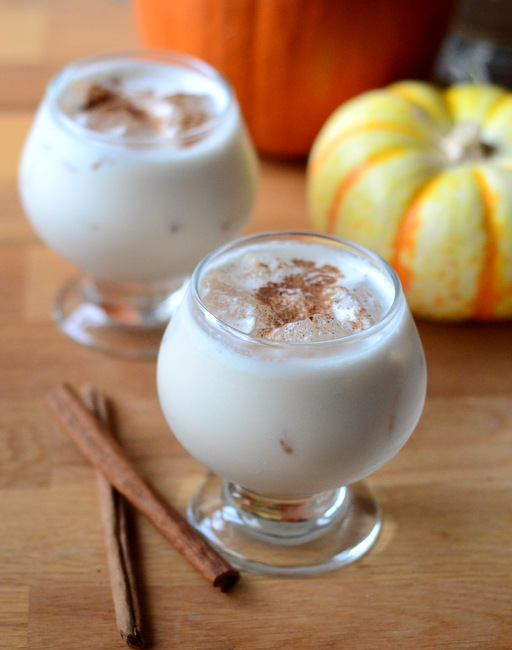
Shango has enhanced this extra sweetness with vanilla and a hint of coconut. The overall effect is that of a tropical cocktail. The additional flavors are subtle, while the flavor of rum is strong, although there is no hint of the sometimes harsh taste of straight spirits. It is delicious and goes extremely well in cocktails (such as mojitos), especially considering that the majority of them are on the sweeter side to begin with.

National Rum Day

I’ll always say that vanilla is my very favorite flavor, but lately I find myself reaching for Baileys, Kahlua, rum or other liqueur as flavoring when I bake. Recently, for instance, I splashed some into my coconut macaroons, the filling of my strawberry tart and soaked many, many raspberries in it. I have plans for other spiked treats - but then I always have a long list of things that I want to bake.

Today - August 16th - is a good day to use a little liquor in your kitchen because it is National Rum Day. Like National S’mores Day, I’m not going to question the origin of this designation. I’ll just use it as an excuse to have a cocktail and to try out a new recipe or two. My archives, as I mentioned before, are packed, but you might want to take a look at some of these rummy recipes, as well:

Are “smart” waters smarter?

In the summer, with heat and humidity levels rising, I tend to drink a lot more water than I do during other times of the year when I’m outside and active. During strenuous activity - say, hiking in the mountains - electrolyte supplements (usually powders that you can mix into water) can be even more helpful than plain water to replenish some of the nutrients that your body uses up to keep you moving. Or, you could simply bring along a bottle of vitamin-and-mineral-enhanced flavored water.

Over the past few years the sales of vitamin enhanced waters have skyrocketed, as big beverage companies took the idea of an energy supplement a step further and turned flavored water into a health drink. SmartWater, Vitaminwater, Life Water and Fitness Water paved the way for vitamins to be introduced to previously less-than-healthful beverages as well, like Diet Coke Plus and enriched soda-like energy drinks. Instead of a way to recharge after a workout, the drinks are now sold almost as nutritional supplements, marketed as a good way to get vitamins/fiber/etc. But as promising as they sound, are any of these new drinks really good for you?

The WSJ tackled this very question today with the help of nutritionists and other health experts. The verdict seems to be that they’re not all bad. On one hand, some vitamins are more readily absorbed by the body when in a liquid, as opposed to in solid food. But on the other hand, just about any nutrient you can get in a soda or vitamin-water comes from a balanced diet, so you shouldn’t actually need to drink any of them to get all the nutrients you need. The drinks still have calories and, while they have fewer than most sodas, they have more than plain water.

In short, the “smart” waters aren’t exactly better than regular water and a balanced diet, but you could definitely do worse. Overall, the nutritionists recommend getting as much as you can from fresh fruits, veggies, etc. And if you want to chase them with a bottle of enhanced water, that’s your call.