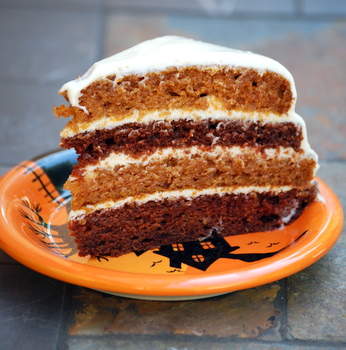
It’s just not fall without some kind of pumpkin dessert. How can you not think of pumpkins when the stores are filled with them and people put them out on their porches as decorations? Getting in the spirit of pumpkin desserts, as well as the Halloween season that prompts their presence, I used pumpkin in this beautiful orange and black Pumpkin and Chocolate Layer Cake. The cake is moist and satisfying, as well as spicy and chocolaty. I topped it off with a cream cheese frosting that blends in well with all of the flavor in the dessert. As if the flavor weren’t enough, this cake looks very dramatic and makes a great centerpiece for a seasonal party.
The cake has four layers, two each of pumpkin and chocolate. These layers come from two cakes that are split and stacked. Both the pumpkin and the chocolate cake start with the same basic recipe and both use pumpkin puree. The difference between them is that one includes a bunch of pumpkin-friendly spices, such as cinnamon and nutmeg, with the other has cocoa powder and bittersweet chocolate mixed in. Both types of cake have very different flavors, but they have just about the exact same texture and consistency, so they work together in the finished cake perfectly.
I recommend mixing up the batter for these two cakes at the same time so that they can be baked side by side in the oven. This way, the cakes are done at the same time and you can assemble the finished cake that much more quickly. Otherwise, prepare the second cake while the first is in the oven. You won’t have that much of a time difference when cooling the cakes and the oven will already be preheated and ready to go. The cakes, for the record, can be made a day in advance and wrapped in plastic wrap before slicing and frosting.
I kept the top of my cake plain, but if you want to dress up the presentation, you could garnish it with some pumpkin-shaped candy corn (a.k.a. mellowcremes) to give people a hint as to what is inside of the cake before you cut into it.
+Continue Reading

Some people – lucky people – can really pinpoint that exact moment when they became interested in cooking or baking. I don’t have that exact sort of “ah ha” moment to recall, although I do have lots of enjoyable memories about food and cooking in general. I remember baking Christmas cookies with my mom and watching my grandfather make apple crisp, as well as watching some relatives head out to farmers markets to buy dinner and listening to others order takeout.
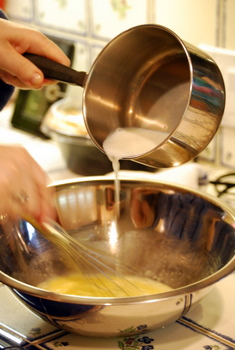
There is one thing that stands out from the pack slightly, and that is of my first kitchen gadget. It was my own tool and I used it whenever I could: a plastic eggbeater. I’m pretty sure this was intended to be a toy, but it certainly worked well enough to scramble an egg or two for breakfast. The beaters are very narrow, so I don’t know that I would try it to whip egg whites or anything, but I still have it and it still works. I don’t use it, but I keep it around because it reminds me of those first exciting days of making my own food in the kitchen.
I can’t say that the eggbeater inspired me to start baking. That said, perhaps it was somehow indicative of the fact that I’d just keep upgrading eggbeaters until I ended up with a big Viking mixer in my kitchen!

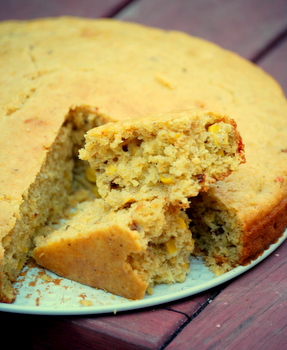
I’m starting to feel the slightest chill of fall in the air right about this time of year. Granted, I know that some of you have already experienced some early snowfalls, but it’s still fall in my mind. Fall is the start of comfort food season and soups and chilis start to make more frequent appearances in my kitchen. Naturally, I need something to go with these dishes and cornbread is always an easy accompaniment to whip up. This spicy cornbread has a little something extra in it: minced chipotle peppers and fresh corn.
You can find chipotle peppers in adobo sauce in most markets these days, and the smoky, spicy chilis add a lot of personality to this bread. One little trick I used here was to add the minced chilis into the butter as I melted it. This helped infuse the butter with a little of the chipotle flavor, so you get some spiciness throughout the bread, not just when you bite into a bit of pepper. I used fresh corn for its sweetness and texture, but frozen corn (defrosted) and fresh canned corn also work just as well in the bread. The finished product is a slightly rustic feeling, hearty cornbread that has a lot of flavor besides that of cornmeal. It is not particularly moist, but it’s not dry either, so it goes well with a smear of butter or a bowl of chili.
I usually make cornbread in square or rectangular pans, but I made this cornbread in a round cake pan. I like the way that the wedges look when the come out, and they’re even easier for dipping into chilis and soups than squares of cornbread. That being said, you could easily make this recipe in an 8×8-inch square pan if you prefer to or don’t have a round cake pan available.
+Continue Reading
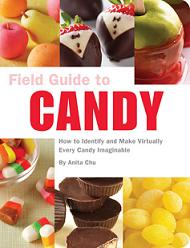
The Field Guide to Candy is a handy little guidebook to, as the subtitle says, make and identify virtually every candy imaginable. Not having a master list of all the candies out there, I can’t confirm this statement, but there are 113 recipes in the book as well as a number of variations – and that is a lot of candy! The book is written by Anita Chu, who is also the author of the Field Guide to Cookies and the blog Dessert First.
The book is set up like field reference guides you might use for bird watching or star gazing, only with some detailed recipe instructions thrown in. Each entry starts with a description of the candy, followed by the history and general notes about working your way through the candy-making process for that particular piece. The recipe is next, followed by a yield estimate and storage notes. Storage for candy is even more important than for other baked goods because candies can be very sensitive to changes in the humidity levels in the air. There is a full-color section in the center of the book with photos to illustrate each of the recipes, and towards the beginning you’ll find an overview of materials and ingredients you’ll need to get started with candy making.
The approach of this book is good considering that candy making requires a fairly scientific approach. The instructions are clear and direct, and you shouldn’t have any trouble following along with them and making candies similar to store-bought favorites at home, whether you want to make Simple Truffles or your own Candy Corn. The only thing that I really wish the book had done differently is to have included the page number of the recipe on the same page as the photo in the inset of the book, but only because I like to look at the pictures before the recipes and it would make that process a tiny bit easier.