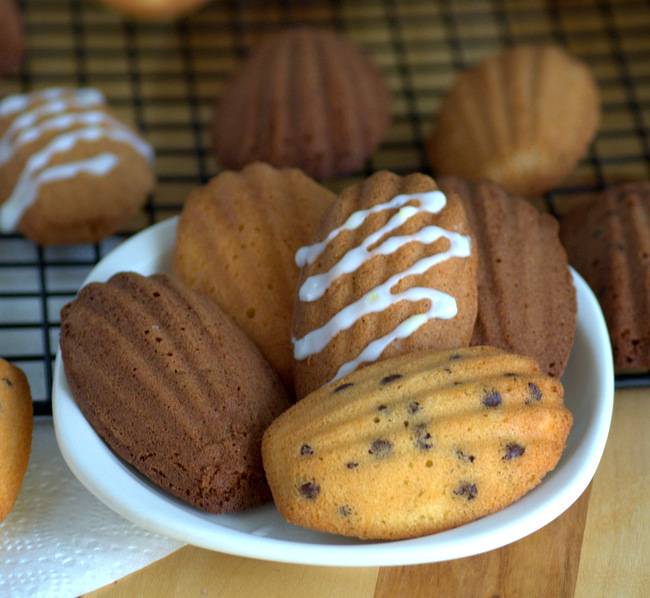
Madeleines are classic little tea cakes that are light, buttery and slightly sweet. They’re good for just about any occasion and are a staple at coffee shops. Most of the time, madeleines are quite plain. Sometimes they are flavored with just a little vanilla or lemon, or drizzled with a little chocolate, but most of the time you will notice that they look almost identical in every coffee shop you see them in. Madeleines should be delightful, never boring, and in We Love Madeleines, you’ll find dozens of recipes to keep things interesting if you’re a madeleine fan.
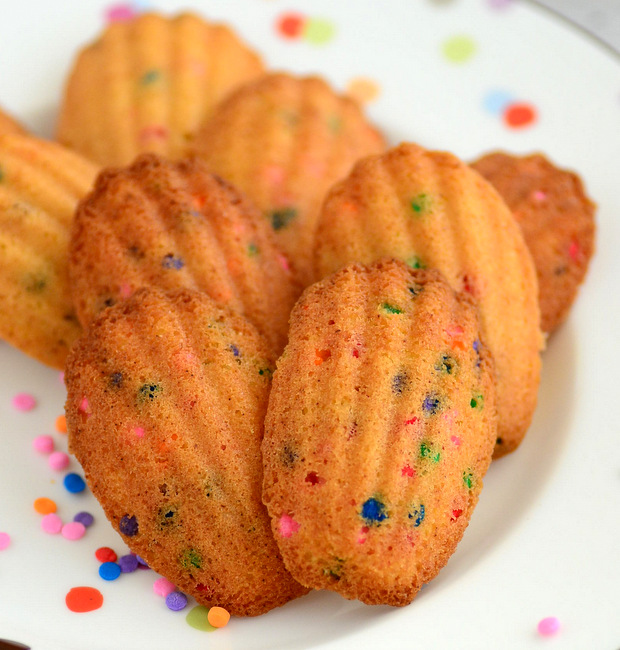
The book is a collection of madeleine recipes from bakers all over the world. There are recipes from classic flavors to more unusual ones, such as Salted Caramel and Chocolate and Bacon. There are also vegan, gluten free and savory options that are really a twist on tradition! Since the recipes come from a variety of bakers, there is some variety in the madeleine formulas used in the book. This means that in addition to all the flavors you get to try as you bake through the recipes, you’ll also get to try a few different textures of these little cakes to see how surprisingly diverse they can be. The basic technique is always about the same, however, and once you’ve made one batch, you will have no problems trying out each and every recipe that catches your eye. The photography is beautiful, so the odds are good that many of the recipes will catch your eye as you flip through the pages!
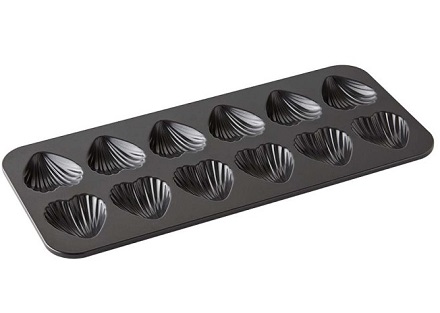
Madeleines are simple little cakes, but they do require a special pan to bake. You can find them in metal and in silicone, and both types will get the job done. The advantage to silicone is that you don’t need to worry about the madeleines sticking, though the metal pans tend to do a better job browning the cakes. Regardless of which type of pan you choose, you’ll have a great variety of recipes to choose from with this book, so you’re sure to get a lot of use out of it.

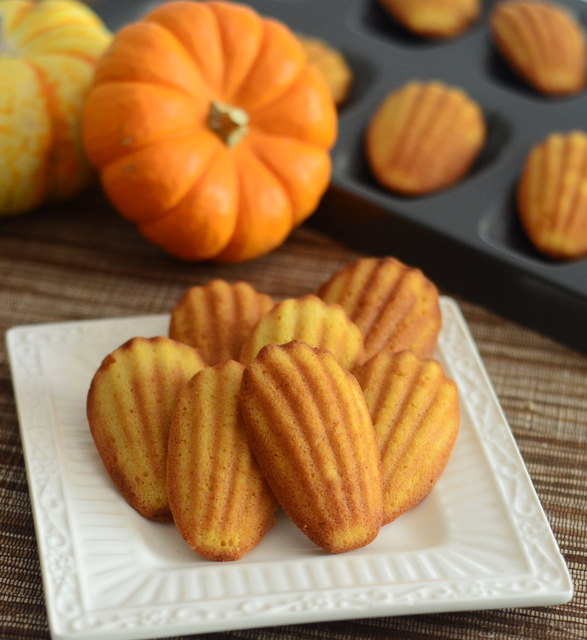
Madeleines are small sponge cakes with a distinctive shell-like shape. They’re baked in a specially shaped pan and there is something special about them that seems to put a smile on peoples’ faces when they see them. Traditionally, madeleines are made with a genoise batter, which is a type of cake where melted butter is folded in to a sponge cake batter just before baking in order to tenderize it and no leavening agents apart from beaten eggs are added. These very classic cakes are tasty, but I find that adding a small amount of baking powder lightens the cookies up a bit and makes them a little bit more consistent.
My Vanilla Madeleines are light, tender and golden, with a soft and slightly spongy texture to them. I flavored them with a generous splash of vanilla extract, and will sometimes use vanilla sugar (when I have some on hand) to further boost the vanilla flavor. The vanilla blends well with the buttery sponge cake, and also helps the madeleines go well with coffee and tea. I recommend using metal pans, as opposed to silicone, for the best results.
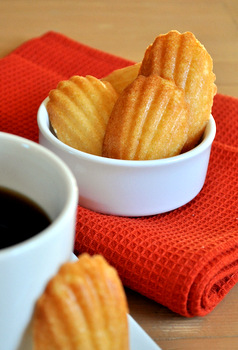
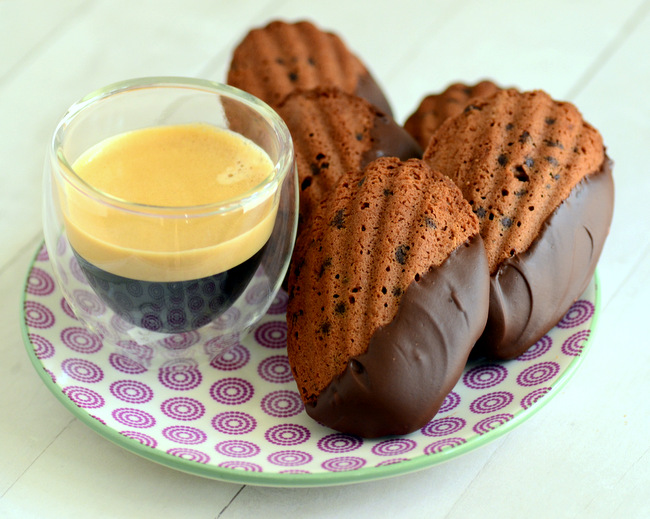
Madeleines keep very well when stored in an airtight container, as their flavor only seems to improve over the course of a few days following baking. They are best when served with coffee or tea, and their spongey texture makes them perfect for soaking up a bit of the liquid when dipped. You can also dip a corner of each cookie in chocolate to dress them up a bit, though you can’t go wrong when serving them plain, either.
+Continue Reading

Madeleines are one of those baked goods that require a specialty pan to get them right, because even though you can bake the batter in mini muffin tins, you just can’t capture the spirit of a madeleine (the cake that writers wax so poetic about) in any other form. Madeline pans can carry a wide range of price tags and can be made out of a wide range of materials. The price tag of expensive imported pans that promised the only good results kept me from biting the bullet and buying madeleine pans for a long time, but I had heard good things about the Chicago Metallic Nonstick Madeline Pan – and had had good results with their other bakeware – and bought some to give them a try.
The pans are lightweight and made of carbon steel, brushed with a nonstick coating. My madeleines baked very evenly and rose up well, developing that slight “dome” on the top that is a signature of many madeleines. The pan comes with a recipe that is easy to use and quite tasty (although they’re usually even better the day after baking) if you don’t have a favorite madeleine recipe already.
Working with the pans, I found that they allowed the tips of the madeleines to caramelize slightly and turn a lovely golden color, while still giving me a clean release. You get an even better look by brushing the cavities with a little bit of melted butter just before baking. The only downside to these pans is that they only bake a dozen madeleines at a time and most recipes bake more cakes. Fortunately (thanks to the nonstick coating), you can pop the madeleines out and the pans will cool down very quickly so that you can bake a second batch. Their price tag is also reasonable enough that if you are a big fan of madeleines you can justify adding a second one to your collection.