Archive for: gluten

What is Gluten Free Flour?
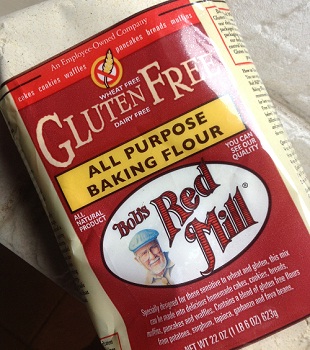
Bob's Red Mill Flour
Gluten free flour is a term that is applied to flours that are made of non-gluten containing products. There are many kinds of gluten free flours available at supermarkets these days, along with many “all purpose” gluten free flour blends that are designed to be an easy to use replacement for wheat flour. Gluten is a protein found in wheat, rye, barley and triticale that, when water or liquid is added to it, makes an elastic dough. Gluten free flours on their own do not have this elasticity and typically produce a much denser product, so blends of different types of grains are used to create gluten free flour mixes with a more versatile consistency that will work well in the same applications as wheat flour.

Commercially available gluten free flours are all made with different mixtures and these mixtures vary widely from brand to brand. They might contain rice flour, teff flour, tapioca flour, sorghum flour, potato starch, garbanzo flour or buckwheat flour – just to name a few of the many options that could be a foundation for a gluten free flour blend. These flours could also contain nut flours, made from very finely ground almonds or other nuts. Xanthan gum is a binder that is frequently added to gluten free flour mixes to give the flour some elasticity and make it easy to use right out of the bag. Since the base ingredients for gluten free flour can be very different, different brands can produce very different results in baked goods, giving a recipe a completely different taste and texture.

If you are planning to do a lot of baking with gluten free flour mixtures, it is worth taking the time to try different brands to see what flour blends work and taste the best in your baking.

Homemade Gluten Free Thin Mints (I got the best results with Bob’s Red Mill All Purpose, pictured above)

Gluten Free Banana Pecan Muffins (works well with different types of mixes)

Everyday Food rates Gluten Free Baking Mixes

What is gluten?

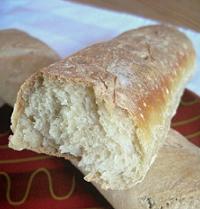
homemade baguetteThe word “gluten” is probably so well know these days because we are all so much more aware of people with gluten intolerances and products that are gluten free. Of course, this doesn’t really describe what gluten is. Gluten is protein in wheat flour and some other cereal grains. Gluten is elastic, and when combined with water, the proteins first come together in long strings. These networks of gluten are what allow breads to rise and give just about all baked goods their shape and texture. In addition to providing a soft, chewy texture to fresh breads, gluten is also responsible for the brittle texture of stale breads; when moisture leaves a baked loaf of bread (over the course of a few days), the gluten becomes less elastic and finally will crumble under pressure, as seen in a crumbly and stale loaf.

When the protein is isolate from the starches of the flour, it is brownish-grey, tough and rubbery. This may not sound that appealing in text, but in this state it is known as seitan and is frequently used as a meat-substitute in vegetarian or vegan cooking, and the chewiness of seitan is what makes it a very convincing faux-meat.

Wheat flour, rye and barley are probably the three most common grains that sources of gluten. At stores like Whole Foods, as well as at specialty baking stores, you can buy “vital wheat gluten” on its own. Vital wheat gluten is flour-less gluten and it can be added to breads – especially breads made with low-protein whole grain flours – to increase elasticity, giving the finished loaves a much higher rise and softer texture.

Visit Us On FacebookVisit Us On PinterestVisit Us On TwitterVisit Us On YoutubeCheck Our Feed