Pineapple Buttermilk Meringue Pie

Pineapple Buttermilk Meringue Pie

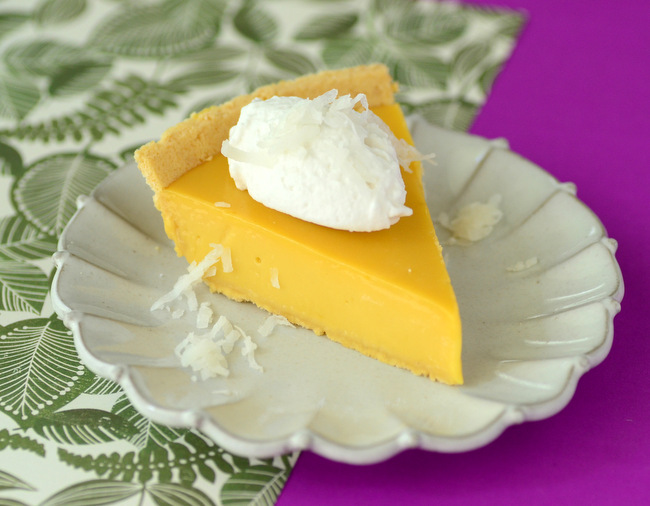
While this pie may sound like something that you could have found in a diner 50 years ago (and maybe you could have), it turned out not only to be much better than I ever anticipated, but to be one of the most enjoyable pies I’ve had in recent memory. The flavors were vibrant and well-balanced, the pie looked beautiful and it was quite easy to prepare. To put it in a word, it looked and tasted fun.

The pie starts with a prebaked pie shell - homemade, of course - and is filled with a cooked buttermilk/pineapple filling. I opted for canned pineapple because it is easy to work with and it’s convenient to be able to use some of the canning juice (not syrup, just juice) in the pie filling. The pudding is nice and thick, but not too rich. I think that the tangy buttermilk and tangy pineapple complement each other well and balance the sweetness of the filling (although I should note that it really isn’t all that sweet on its own; most of the sweetness comes from the pineapple).

Since the pie is a bit retro, I decided to go with a somewhat retro meringue recipe that I had jotted down. Ordinarily, I would use a cooked meringue because I find them to be the most stable and the least likely to weep or to pull away from the sides of a pie. This meringue recipe calls for the preparation of a thick cornstarch mixture that is added to beaten egg whites to stabilize them. The method is a bit odd, but the results were great and the meringue had a fantastic texture and held up very well even after a couple of days in the fridge.

That said, I can’t quite say the same for the pie crust, as some juices will definitely ooze from the filling from the juicy pineapple pieces in there. The bottom crust will get a bit soggy on the exposed edges if they sit in juice. I recommend using a pie gate to hold everything together if you’re going to be storing the sliced pie to ensure that the crust stays nice and flaky, otherwise just try to get everything eaten within a day or two for the absolute best results.

Pineapple Buttermilk Meringue Pie Slice
(more…)

French Silk Pie

French Silk Pie

I’ve had french silk pies before, but I’ve never had one like this. The concept of a french silk pie is that it is a chocolate mousse set up in a pie crust, the smooth texture of the mousse providing the “silk” part of the pie. Most pies that are sold under this name are relatively dense and chocolaty affairs. Chocolate is the first thing you notice when you bite into a piece, not “silk,” and the texture is generally only light thanks to a generous amount of whipped cream.

This french silk pie is all about the silk. The texture is amazingly lightly, so smooth it’s almost as though you’re eating some crazy hybrid of chocolate ice cream and air because it is served cold and melts almost instantly on your tongue. Amazing is a very accurate descriptor here and, now that I’ve had this version of french silk, I don’t think I’ll ever look at the other variety in the same way again.

The recipe is another Pillsbury Bake-Off winner, a runner up (and $1,000 best-in-class winner) in the 3rd annual competition in 1951. You need a baked pie crust - I’d recommend a traditional, flaky crust over a graham cracker one simply because the crunchy graham crust will dominate the texture of the dessert - but the filling involves no cooking at all. Butter, sugar, chocolate and eggs are whipped up to an impossible lightness with an electric mixer. The chocolate flavor is not intense, but it is lovely, and you can always garnish the pie with shavings of chocolate if you want to boost the flavor for serving.

Make sure all your ingredients, especially the eggs, are at room temperature before beginning to ensure you get maximum volume. This recipe does contain raw eggs, so if you’re uncomfortable with that, either try using pasteurized eggs or try another recipe. If you decide to give it a go, I guarantee that you won’t regret a single bite of it.

(more…)

Meyer Lemon Shaker Lemon Pie

shaker lemon pie slice

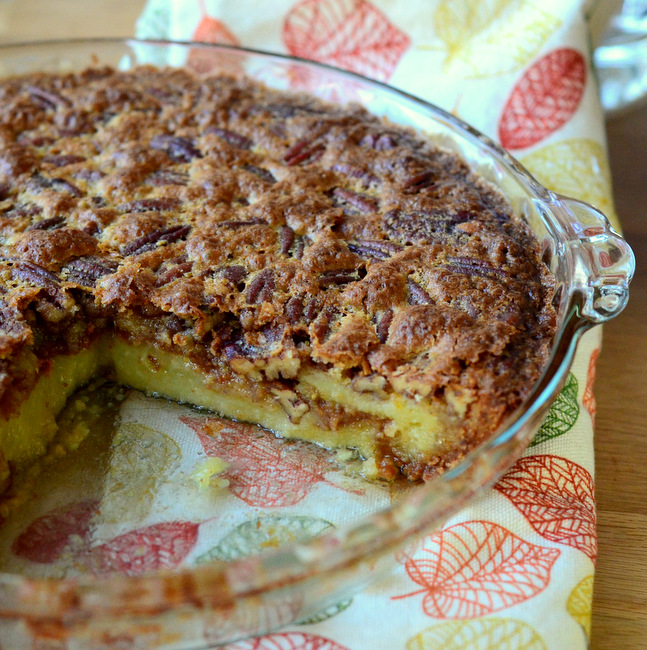
Shaker lemon pie is a very old fashioned type of pie - so old fashioned that it goes way beyond retro and isn’t likely to be found in your average diner, unlike the far more common lemon meringue pie. Shaker lemon pie has an unusual filling that is made up of lemons. Sliced paper-thin, the lemons go into the pie rind and all (minus the seeds), along with some sugar to sweeten things up and eggs to hold everything together.

I decided to try making this type of pie for a couple of reasons. First, it is pretty unique and I was very curious as to how the pith and peel of the lemons would work into the pie. Second, I had - some of you might be able to guess at this part - a bunch of meyer lemons sitting in my kitchen and was sure that the extra-sweet lemons would really work well in this type of dessert. The pith of the lemon is the white part between the flesh of the fruit and the rind. It is the most bitter part of the fruit, which is why most recipes either call for the zest or the flesh alone. Meyer lemons tend not to have as much pith as other types of lemons on average, which is another reason that they make such a good choice for this recipe.

To put the pie together, you need a double crust pie dough prepped (recipe is below) before you mix the filling. I used a very sharp chefs knife to slice up my lemons, but if you have a mandolin this would be an excellent application for it. That said, you shouldn’t worry about the thickness of the slices too much; just try to get them as thin as you can manage and pick out the seeds as you go. I used two whole lemons and one lemon with the pith and peel removed just to bulk up the fruit. My lemons were very large for meyer lemons, so you may want to use 4 average size ones (a good tip is to compare their size to that of “regular” lemons in the store and try to match the number of meyer lemons to the size of 3 regular ones).

The overall effect of the pie filling is somewhere between marmalade and lemon curd, with tender but slightly bitter pieces of rind mixed in with a sweet and gooey lemon curd-like filling. If you like marmalade, you’ll probably love it. If you don’t like either marmalade or lemon curd, this may not be your cup of tea. I really liked the way that the soft and tart filling contrasted with the tender, flaky crust and found the whole pie to be really well balanced, even if it wasn’t as sweet as a lemon meringue type of pie.

(more…)

Coconut Cream Pie

coconut cream pie

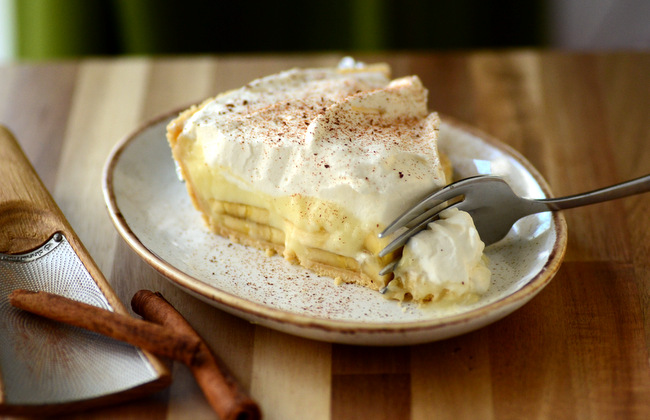
 Cream pies, more than any other, seem to scream ”comfort food” - even if you (like me) generally tend to prefer fruit pies, like apple. They’re not merely satisfying, but they’re so indulgent that you have to set aside any concerns about overly decadent desserts to fully enjoy the smooth, rich custard and fluffy whipped cream of the pies. Perhaps it’s comforting to not have - or to ignore - these worries while you eat. Perhaps the pies just taste so good that it doesn’t matter.

In the case of this coconut cream pie, I tend to think it’s the latter reason.

This pie has a rich coconut flavor in a silky smooth custard. The custard is made with a combination of half and half and coconut milk, cooked on the stove and thickened with flour. The coconut milk imparts a mild coconut flavor and a lot of richness. Most of the coconut flavor comes from the shredded coconut in the filling, which I opted to finely chop before adding to maximize the amount of coconut in each bite. Finely chopping the coconut also allowed the pie to be cut into very neat slices because there were no large pieces of coconut to snag the blade of the knife on. If you want to increase the coconut flavor even more, add a bit of coconut extract to the custard along with the vanilla.

If you’re not familiar with making cream pies, I can assure you that this one is very easy to make. The filling cooks up in just a few minutes on the stove and once it has been prepared, all you have to do is wait for it to cool and set before serving. You can use a homemade pie crust, baked in advance and cooled, but a store-bought crust works well here, too. I actually quite like a graham cracker crust with this pie, as the crunchy crumbs add a nice contrast to the creamy filling.

(more…)

Chocolate Pumpkin Pie

Chocolate Pumpkin Pie

Pumpkin pie is one of those foods that is pretty much perfect in its basic state. For variations, a chef might switch from a graham cracker crust to a regular pastry crust, or tweak the spices by adding more ginger, a pinch of cardamom or a touch less cinnamon. Even when all of these alterations are put into place, a pumpkin pie is pretty much still just a pumpkin pie. And there is nothing wrong with that. It’s a classic for a reason, after all!

But there isn’t anything wrong with changing tradition once in a while, either, and in light of this, I decided to make a chocolate pumpkin pie.

Chocolate and pumpkin go really well together in general (think about pumpkin cookies with chocolate chips, or something similar) and the idea for a chocolate pumpkin pie popped into my head when I was thinking about this fact. I couldn’t recall ever having seen a chocolate pumpkin pie and I certainly had never eaten one, so I had to wonder if the combination was a relatively undiscovered culinary masterpiece or, tastewise, a total miss.

Fortunately for me, the pie was more on the side of masterpiece: delicious, unique and easily worth having seconds. It had the slightly custardy texture that is the signature of a good pumpkin pie with a good burst of chocolate flavor to complement it. The flavors of the pumpkin and the pumpkin pie spices were strong, even through the chocolate, but there is more than enough chocolate flavor to please a chocoholic. In fact, this may very well be the perfect dessert for the holidays because you will be able to please the pie lovers and the chocolate lovers with one seasonal dish (unless they only like pecans, not pumpkin, in which case you might want to opt for pecan cake for the family dinner and save this pie all for yourself later).

(more…)

Apple Crumble Pie

apple crumble pie slice

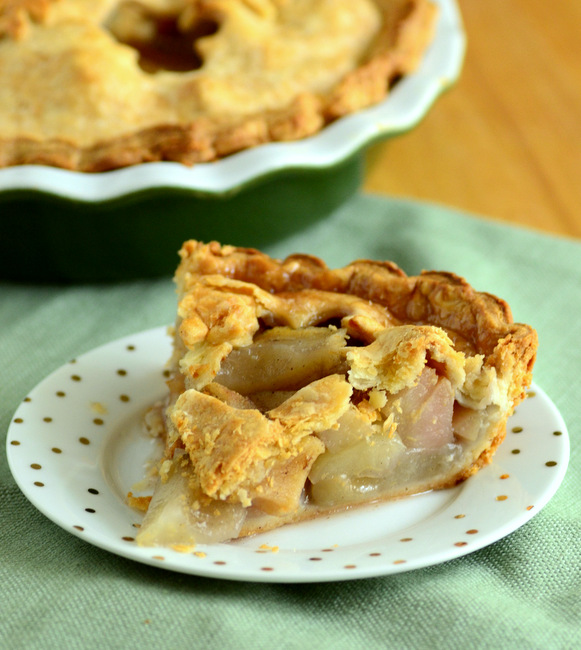
Crumble-topped apple pies used to be my absolute favorite type of pie. When I was a little kid, I was even known to ask servers in a restaurants whether their pies were crumble-topped or not, and base my dessert decisions entirely on their answers. This all came to an end around the time that I first had a traditional apple pie with a really great crust. Now, I would have to say that my favorite is a double-crust apple pie, although I still have a soft spot for crumble-toppings.

For some reason that I have never been able to figure out, apple crumble pies are often called French Apple Pies, though they seem to be more strongly reminiscent of homey cobblers and such than any french desserts I’ve had. The pies start off the same way a “regular” pie does, with a single layer of pie crust and a filling of apples, sugar and spices. This filling is not topped with another sheet of crust, but instead is topped with a generous layer of crumble mixture. Typically, it is made with a mix of butter, flour and sugar, but can range in texture from a  a coffee-cake crumble topping to a crispy layer of oats and nuts.

My topping is of the crispier variety, as I like the texture that oats give to the crumble and the contrast it makes with the tender apples in the filling. I used Granny Smith apples for this pie, although I also like to use Jonagolds or a mixture of multiple types of apples for fillings for variety.

When it comes to crust, I prefer one made with a combination of butter and shortening (nonhydrogenated, of course) to one made with all one or the other because it turns out a crust with the perfect degree of flakiness and tenderness. All shortening crusts sometimes tend to be a little crumbly, while all butter crusts can get a little tough at times. But I’ll take all butter over all shortening any day, and that is exactly what I did here. I took care, however, when cutting the butter into the flour mixture, to leave some larger, pea-sized pieces of butter to keep the crust as light and flaky as possible. I added a bit of sugar to help brown the crust as it baked, too.

(more…)