Archive for the ‘Fruits and Veggies’ Category

Cook’s Illustrated reviews Canned Pumpkin

Canned Pumpkin
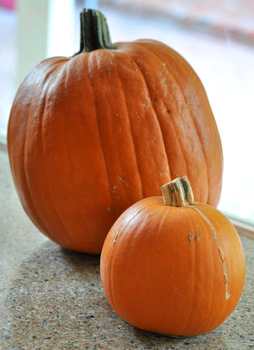
Pumpkin is a fall baking staple, and while you can certainly make your own puree at home with just a little bit of effort, it is far easier to stock up on canned pumpkin for your baking projects. Canned pumpkin is a very consistent and reliable product to work with and can give you great results in your recipes. Most recipes that call for pumpkin are formulated to use canned puree, and because homemade versions can vary somewhat in flavor and texture, they can occasionally throw a recipe off if you’re not aware of that. I do like to make homemade puree when I have an especially good pumpkin to work with, but I always have some of the canned stuff in my pantry so that I am ready to bake pumpkin pie on a moment’s notice. There are several brands of canned pumpkin out there and, like most products, there is some variation in flavor that can really impact your finished products. A few seasons ago, Cook’s Illustrated did a taste test on several brands of canned pumpkin to see which brand baked into the best pumpkin pie.

They tested Farmer’s Market Organic Canned Pumpkin, Libby’s Canned Pumpkin and One-Pie Canned Pumpkin. Libby’s Canned Pumpkin and One-Pie Canned Pumpkin were both taste-tester favorites, even though they had slightly different flavors. One Pie had a slightly “sharper” pumpkin flavor, while Libby’s was “creamy” and had more sweetness to it. The test kitchen didn’t recommend Farmer’s Market Organic Canned Pumpkin, which testers said had an unpleasant “chalky,” “vegetal” flavor to it. I bet that I’m not the only one who was surprised at the results of the test (given that I keep both brands in my pantry on a regular basis)! The full review is online (available without subscription until the end of the month), if you want to read through the test before stocking up on pumpkin the next time you’re at the store.

The CI test kitchen also mentions – and it is worth mentioning again regardless of your brand preference – that it is important to check the labels carefully when you’re buying canned pumpkin to ensure that you don’t buy pre-sweetened, pre-spiced pumpkin pie filling when you’re in the market for plain canned pumpkin for your baking.

What is cream of coconut?

Cream of Coconut
Coconut milk is an ingredient that is often called for in baking recipes that showcase coconut, used in place of regular milk or other liquids to further emphasize the coconut flavor of a recipe. Most grocery stores stock it, and they also stock a similar looking product called cream of coconut. Coconut milk is a creamy liquid with the consistency of milk made by cooking coconut and water together and straining out the coconut meat. Cream of coconut is to coconut milk what condensed milk is to regular milk: cream of coconut is a very thick, almost paste-like cream that is essentially cream of coconut with most of the water removed from it. It is made by chilling coconut milk and skimming off the thick, rich layer of cream that forms on top of it. Coconut cream has a buttery mouth feel and a good coconut flavor, but it is not particularly sweet.

Although basic cream of coconut is not a sweetened product, many types of cream of coconut sold in stores come presweetened. These are typically used for making mixed drinks and ice creams, where you want an intense flavor and sweetness. Cans are not always clearly labeled that they have been sweetened (making them more like sweetened condensed milk than evaporated milk), so it is important to check the labels when picking some up. Cream of coconut, sweetened or unsweetened, is not often called for in baked goods or recipes because coconut milk is more widely available and easier to incorporate, but know that cream of coconut should not be substituted directly for coconut milk in recipes, especially when dealing with baked goods.

Great Ideas for Baking with Zucchini

Zucchini baking

Zucchini is one of those summertime vegetables that never seems to run out of steam. I really have to wait until the weather starts to change before the friends who have been handing me piles of the stuff all summer long finally begin to slow down. I’m not complaining, mind you (although I have stopped planting the stuff in my own garden), because I am a big fan of zucchini in both savory dishes and in baked goods. Like carrots, zucchini is a great addition to baked goods and whipping up a batch of zucchini bread is a very good way to use up a lot of it at once and sneak some veggies into dessert. Unlike carrots, however, zucchini has a more significant impact on the cake or bread that it is baked into. Zucchini is more moist than carrots are, and bakes up to be more tender, so the texture of the vegetable is slightly more subtle in the finished product.

Zucchini should be washed and shredded fairly fine if you intend to bake with it. Coarser shreds will have a slightly more noticeable flavor and texture in a finished cake or bread recipe. The shredded zucchini should be pressed well with paper towels to soak up excess moisture to prevent whatever your baking from getting too soggy.

If you haven’t tried baking with zucchini before, it is worth knowing that it can be substituted into most recipes that use shredded carrots, such as carrot cake, without any problems. Breads, cakes and cookies that use zucchini tend to be a little more diverse than most carrot cake recipes, so once you get your feet wet and try out your first recipe or two with zucchini, you might want a little more inspiration and these recipes are a great place to start:

Do you need to add lemon juice when baking with apples?

Apple, peeled
Many recipes for apple pie and apple cobbler will call for tossing your sliced apples in a little bit of lemon juice before putting them into your dish. Lemon juice prevents oxidation of the apples, which means that it stops the slices from turning brown by providing a barrier between the apple’s flesh and the air. Lemon juice definitely works when it comes to preventing the browning of fruit, but a better question is do you really need to use it when baking an apple pie?

This is a good question because I know more than one person who has rushed around looking for a lemon, fearful of browning the apples that will go into their pie because it might make them “look funny.”  The short answer is no, you do not need to add any lemon juice to an apple pie or many other baked apple desserts.

In the case of that pie, you are going to toss your apples in brown sugar, cinnamon and other spices and put them in the oven to cook for at least an hour or so. Not only are many of the pie’s filling components brown to begin with, but you want your apples to turn tender and golden as they bake – not to remain pale and appear to be uncooked. Of course, the apples will cook regardless of whether lemon juice has been added, but giving them a very slight head start on browning by exposing them to air for a few minutes can actually make for a more attractive pie filling. This is a tip that has been given to me many times by chefs (mostly by chefs who also teach) and it is definitely true when you compare a browner, richer-looking pie filling to a very pale one. There is no need to add lemon juice to prevent discoloration when baking with apples. It won’t hurt the filling to have the lemon juice in there, but tossing the apples in juice isn’t necessarily benefiting the dessert, either.

Preventing discoloration is probably the most common reason to toss apples in lemon juice, but one other reason that lemon juice is added to a pie filling is to add some extra tartness to a batch of not-too-tart apples for those who don’t like their pie to be too sweet. I’ve found that adding a tablespoon or two of lemon juice does not do much to increase the tartness of apples when you have 2-3 lbs of apples going into a pie. Again, it can’t hurt the filling, but a better solution is to really try to find apples that suit your tastes (such as tart Granny Smiths) for better results.

What is fruit butter?

Fig Butter
Fruit butter is a very thick, smooth fruit puree. It is made by slowly cooking fresh fruit with sugar until the fruit is so tender that it can easily be made into a puree. There is no butter in the recipe, and the name comes from the fact that puree has a smooth, silky texture to it. In terms of flavor, fruit butters have a very natural flavor to them because, although some sugar is added during cooking, the main ingredient is fresh fruit. Fruit butters typically are less sweet than jams and preserves are, and they are much smoother (and sweeter) than something like applesauce.

Fruit butters can be made with many different types of fruit. Apples, pears and pumpkins are very commonly used, but all stone fruits work well, as do some tropical fruits, such as mangoes. They are often spread on toast or used to top waffles, pancakes or scones.  Fruit butters can also be used interchangeably with jams and preserves in some applications. You could use them on a peanut butter sandwich or as a filling in a baked good, for instance. But because fruit butters are much less sweet than preserves are, they can be showcased in recipes where you want the fruit flavor to stand out, like an Apple Butter Pie.