Filed under Recipes, Breakfasts, Breads - Yeast Breads by Nicole | 24 comments

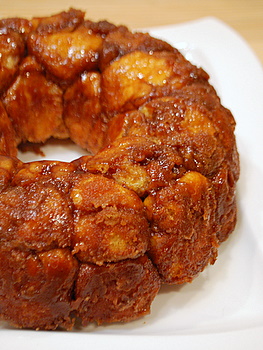
I have always assumed that monkey bread gets its name from the fact that you need to pull it apart with your fingers to eat it, getting all sticky from cinnamon and caramel as you indulge in bite after bite of warm, sweet bread. The bread is nothing more than a big pile of dough balls that have been dunked in butter and sugar before baking. If you like gooey, sweet cinnamon rolls and warm, sugary donuts, you will love monkey bread.
There are a lot of recipes for monkey bread that use refrigerated biscuit dough. This bread is made entirely from scratch, starting with a simple, yeasted bread dough. The dough only has a little bit of butter and sugar in it to give it some flavor; the vast majority of the flavor of monkey bread comes from the butter, cinnamon and sugar coating that the dough is dipped into. I did give in and add a tiny bit of vanilla to the dough - although you could certainly leave it out - for a little bit more flavor.
It’s helpful if you have an assistant (or child) for making this recipe, as your fingers tend to get a bit messy when working with the dough. The balls are formed by hand, loosely rolled from small pieces of dough. Each one needs to be dipped in butter and rolled in sugar before it goes into the bundt pan for baking. The process doesn’t take too long and certainly isn’t difficult, but it’s nice to have two sets of hands moving things along (plus, the dough is easier to handle if your fingers aren’t covered in butter and sugar).
Monkey bread can really be made in any size or shape of pan, but it is most often found in a ring shape, like that of a bundt or kugelhopf pan. This large ring makes for a great presentation, and it also makes the hands-on food easily accessible to a big group - making it perfect for a family brunch or other get together.

(more…)
Filed under Sweet Stuff, Gear and Gadgets by Nicole | 4 comments

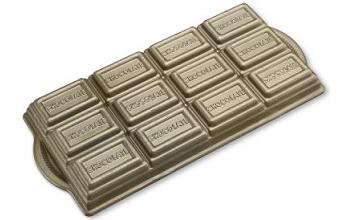
Whether you’re a fan of Hershey’s chocolate bars or not, it’s design is undeniably a classic confectionery icon: a flat, rectangular bar divided up into bite-sized pieces that are easy to snap off. I don’t know that Hershey’s was the first chocolate maker to use this design, but it is the one that is certainly the most well known for it. Williams Sonoma is currently carrying a Chocolate Bar Brownie Pan that uses the iconic look of the chocolate candy bar to make brownies look even more chocolaty than they are to begin with.
The pan, which is made by NordicWare, is heavy duty cast aluminum and measures 13.5″ x 6.5″ x 1.5″. It will work for a recipe scaled to a standard 9×13-inch pan. This pan will work best for denser recipes, like brownies (as the name of the pan suggests), fudge or flourless chocolate cake. Other cakes, while they will still bake up just fine, will not be left with as distinct an impression of the candy bar design and details will be more difficult to make out, even though the nonstick finish of the pan should help the cake release easily.
Filed under Cooking by Nicole | 7 comments

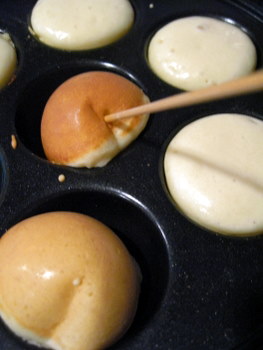
Aebleskiver are popping up all over the place. The shaped pans are available in just about every kitchen store, while just a few short years ago, very few consumers (US consumers, at least, as the pans are a Danish) had heard of the pancakes. Well, some people still aren’t sure on the name because those kitchen stores tend to prefer calling them “pancake puffs,” “filled pancakes” or other similar nicknames. Whatever they’re called, the fluffy pancake balls are tasty and easy to make. The only trick to them is getting them turned over in the pan so that they cook evenly and actually turn out to be little spheres, rather than slightly smushed dough balls.
The traditional way of turning aebleskiver is to use a crochet hook to snag the side of a pancake and give it a quick turn halfway through the cooking process. For most of us, a long, thin stick or skewer will work just as well. The skewer should be inserted into the top of the pancake at an angle, so it pokes through the “shell” that is already cooked against the pan. Once the skewer is in, it should be easy to give the pancake a quick turn. You’ll get an even brown all over, and won’t be able to see the tiny hole you made when turning the pancake.
Filed under Recipes, Pies by Nicole | 12 comments

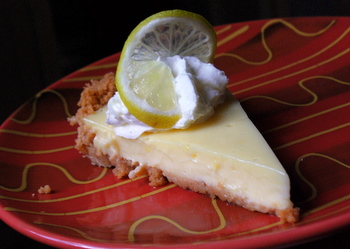
Key lime pie is such a great way to use up a few limes. The standard key lime pie filling only really has three ingredients, and since it’s usually poured into a graham cracker crust, using a ready-made one brings the time required to make the pie down to almost nothing - although it’s worth noting that the pie must be allowed to set-up in the fridge for at least 4-6 hours (pref. overnight) before slicing.
The ingredients needed are limes (key limes or regular will do), eggs, and sweetened condensed milk. All you nned to do is whisk them together and you’re set. The milk is very thick and very sweet, but provides a great texture and background for the lime. The eggs help keep everything together. The filling is silky smooth and has a vibrant, juicy flavor that keeps it from tasting too heavy or rich.
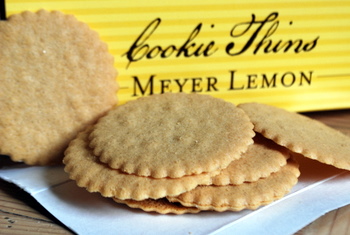
Instead of using a regular graham cracker crust, I made my crumb crust out of crispy lemon cookies - hence the “double citrus” name for this pie. It added a great extra burst of flavor to the pie, which is especially delightful if you’re a citrus lover! Now, while I used lemon wafers for the crust, you might not have any available. If not, use regular graham crackers - not cinnamon graham crackers - and add either 2 teaspoons of lemon zest or 2 tsp lemon extract to the crumbs as you make the crust. The graham cracker crust will have a slightly more brown sugary flavor to it, but the lemon will come through regardless.
I usually make unbaked key lime pies. The acidity of the lime juice - and it is vital for the flavor to use fresh - “cooks” the otherwise raw eggs in the filling, much as lime juice “cooks” the fish used in ceviche dishes. While I like to stick to tradition, most recipes for key lime pie these days recommend baking the filling. To ensure that my recipe archives cover all the bases and will offer recipes that show both options, I baked my filling for this pie (even though I didn’t really have to). There is little difference in the texture of the two methods once the pie has chilled overnight in the fridge, so feel free to go either way. You’ll enjoy the resulting pie no matter how you get there. (more…)
Filed under Foodies and Chefs, Baking by Nicole | 3 comments
- Chocolate mousse is a great way to end a meal, but it can feel a bit heavy because it is so rich, even though the mousse itself might be fluffy in texture. Adding a hint of mint in an After Dinner Mint Mouse as Nami Nami did, lightens up the flavor and gives you a refreshing finish to dinner. The mousse actually uses After Eight After Dinner Mints, so you might want to stock up on a box or two before you set out to make this treat.
- Granola is so easy to make and can be a nutritious and filling way to start the day. Cookie Baker Lynn posted a tempting sounding Almond Vanilla Granola recipe that uses lots of oats, flaxseeds and almonds, and a minimal amount of added oil. The recipe is heart healthy and sized right: a full batch is perfect for one or two people to much their way through. Use it with fruit and granola to make a crunchy breakfast parfait!
- And speaking of healthy breakfast options, the Banana Blueberry Muffin Cake from Karina’s Kitchen is vegan and gluten free, in addition to being packed with fruit. Karina chose to use a homemade mix of gluten free flours - including buckwheat flour, sorghum flour and tapioca starch - but I suspect that you could get away with using a store-bought mix of gluten free flour to make things a little easier, especially if you don’t normally bake gluten free and don’t have some of the more unusual flours around as staples.
- Elise prefers cooking over baking, but when she bakes the results are guaranteed to be just as delicious as her more savory recipes. Her Apple Upside-Down Cake (actually her Dad’s cake) looks fantastic, a cakier riff on Tarte Tatin. For the cake, apples are cooked in caramel on the stovetop until they are just tender. The apples are poured into a pan, then topped with a cornmeal-laced, buttery cake batter before being baked. Best served with vanilla ice cream.
- If you’re a fan of melt-in-your-mouth shortbread, you will probably love Batter-Splattered’s Spoon Cookies. The ultra tender cookies are made with a very simple dough that features the flavor of browned butter. They get their name because they are shaped with a spoon, giving them a signature dome shape. Sandwich the cookies with a layer of jam for some extra flavor, or enjoy them plain with a cup of tea in place of your usual shortbread (or other favorite tea cookie).
- Lemon bars are one of those bake sale staples that never seem to go out of style, but like all classics, it’s natural to get a little bored with them over time even though you love them in general. Slow Like Honey’s Sunny Citrus Squares are a great take on the traditional recipe. The bars have a whole grain crust that is spiked with orange juice. The filling uses a combination of lemon and lime - juice and zest - to turn out a treat with a really bright, fresh flavor.
Filed under Fruits and Veggies by Nicole | 8 comments

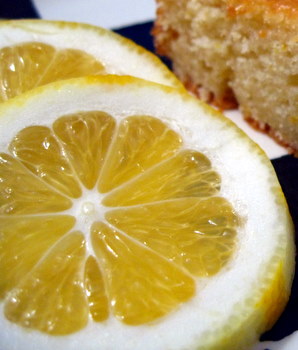
Meyer lemons get more popular every year, and what was a relatively unknown fruit just a few years ago can now be found on restaurant menus, in mainstream supermarkets and food/home magazines. Meyer lemons aren’t lemons; they’re actually a hybrid between a mandarin orange and a lemon. The cross was originally developed in China, where both types of citrus fruit occur naturally. The fruit was brought into the US in the early 1900s by a man named Frank Meyer, after whom the lemons are named.
Meyer lemons are generally smaller than regular lemons, with a spherical shape and a thin peel. They tend to be more of a golden color than a bright yellow. Since Meyers are a hybrid, they have a different flavor than standard lemons. They are slightly sweeter and much less acidic. They still taste like lemons, of course, they just don’t have the same zesty bite to them. They’re more expensive than regular lemons, but tend to be very juicy.
I should also note that although most Meyer lemons will fit in with this description, not all of them will. I am lucky enough to have a small Meyer lemon tree (note that it can be cheaper to keep a small tree in a yard or a large pot than buying Meyer lemons when they’re in season) and my lemons are huge. They’re easily three times the size of the lemons I see in stores and they have a fairly thick rind, although the Meyer lemon flavor is spot-on.
Meyer lemons are a good choice for most recipes that call for lemon because you can get a full lemon flavor without having to add excess sugar (or other ingredients) to temper the acidity of the lemon. They’re great in desserts and all kinds of baked goods, and work wonderfully in savory dishes where you don’t want lemon to overwhelm the rest of the meal. That being said, they’re not the greatest choice for lemon recipes where you really want that extra acidity - like lemonade, for instance.