Archive for: pie crust

What kind of pie plate is the best?

Pie plate stack
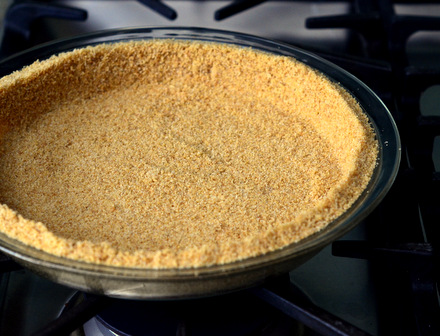
Pie plates are usually made of one of three materials: metal, ceramic or glass. Metal pie pans range from thin, disposable aluminum pans that might come with a store-bought graham cracker crust to heavy duty steel pans. Glass pie pans, which includes Pyrex brand plates, and ceramic pans are typically thicker and heavier than metal pans. There are so many pie plates to choose from, that many people find themselves wondering which plate is best for baking and which type they should stockĀ  their kitchens with.

Metal pans are lightweight, inexpensive and can last just about forever. They can, however, heat unevenly, so pies made with these plates sometimes have portions of crust that are more done than others. If they are made of aluminum, there is a chance that the fruit filling can react with the metal of the pan, giving the pie an off-flavor. Additionally, if you are using a very thin pan, you may have to reinforce the pan with a baking sheet or second pie plate, as it may not be strong enough to support the weight of a baked pie without bending. If you are opting for metal, a good quality steel pan is your best choice.

Pyrex or other glass pie plates retain heat and heat very efficiently, which means that they also distribute heat evenly and your pies will bake evenly in these. Since the pans are clear, it is very easy to visually check the pie crust for doneness – and you can adjust the baking time to give the pie more color. The bottom of the crust will also keep cooking for a few minutes after the pie comes out of the oven, which minimizes the risk of a soggy crust. The downside to a glass pan is that it can break if you drop it, especially if you’re working over a hard floor, it just isn’t worth the risk of all that cleanup to some cooks. Fortunately, these pans are quite durable and inexpensive, so if you are careful with your pans they will last you a very long time.

Ceramic pans are the most expensive type of pan, but are a favorite of many bakers. Ceramic offers the same heat-retention properties as glass, so your pie crusts will bake evenly. These pans also tend to be very pretty, with colorful finishes that make for a great presentation when you serve your pies. The only real downside is that, unlike the glass, you can’t see through the ceramic to check for crust color. Some ceramic pans are very thick and need a few extra minutes in the oven to get warmed up (like a pizza stone), which means that some recipes might have to be adjusted slightly depending on your pan.

In short, all of these pans will work to bake a pie, but as long as you are not worried about breaking your pans, glass and ceramic tend to perform a little bit better than most metal pans. I stick with pyrex and ceramic pans because I like the golden brown crusts that they reliably produce, and would recommend both to anyone looking for a new pie plate. The fact that you can see the crust cooking has always been a plus for me when it comes to pyrex, though I love the look of ceramic pans. If you want another look at pie plates, Cook’s Country has rated pie pans in the past and given top marks to both pyrex and ceramic pans, as well, with pyrex coming out on top thanks to its lower price point.

What is a pie crust shield?

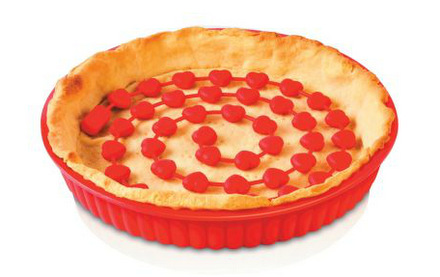
Pie Shield
A pie crust shield is a baking tool that covers the outer edge of a pie to keep it from over-browning or burning while the pie bakes. You can make one yourself by gently folding a piece of aluminum foil over the outside edge of a pie plate, but the advantage of the pre-made shield is that you never have to fuss with a hot pie and can simply drop it gently into place. Most shields are made from fairly lightweight steel or aluminum. Some are made from silicone and offer a finish that won’t stick to even messy pies and that is easy to clean. Both types will do the trick to keep your pie edges evenly – not overly – browned.

To use a pie shield, you can either place it on your pie before baking and remove it halfway through the baking time, or you can put it in place partway through the baking time to limit the browning.

I know some bakers who swear by pie shields and others who have never used them. I don’t typically use them much myself, as I find that I only need to cover my pie edges on very rare occasions and aluminum foil works well enough for me in those events. I love it when my pies get some dark color to them, especially along the edges, both because I like my crust to be crispy and because I simply enjoy the look of a pie that really looks like it has been hand-made. That being said, I do find that these are almost a necessity if your oven is older and has a lot of hot spots, because they really will keep the edges of your pie from burning and that is a great feature if your oven is a little unpredictable.

All-Shortening Pie Crust

Shortening Pie Crust
Many bakers swear by all butter pie crusts, but for every one who does, there is a baker who swears by pie crusts made with only vegetable shortening. Vegetable shortening can make a great pie crust. It is easy to work with and will turn out a crust that is consistently tender, which is a trait that has been winning pie lovers over for decades.

When making a pie crust with shortening, you should chill the shortening (and I recommend looking for trans-fat free shortening, of course!) thoroughly in the refrigerator before working with it. The shortening can be cut into your flour mixture just as butter can be, using your fingers, a pastry cutter or a food processor. Shortening has a higher fat content than butter (100% vs 80-85%) that is a bit less likely to get tough as you handle it. This can actually make vegetable shortening crusts a safer choice for pie crust novices who are worried about getting a good result from their homemade crusts, and it’s a bonus for experienced bakers who like that extra security.

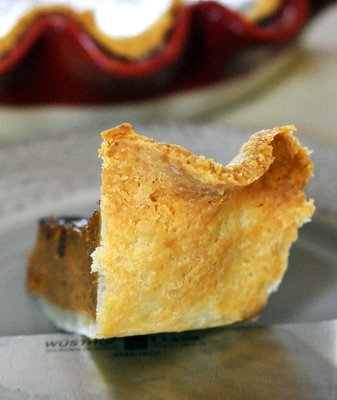
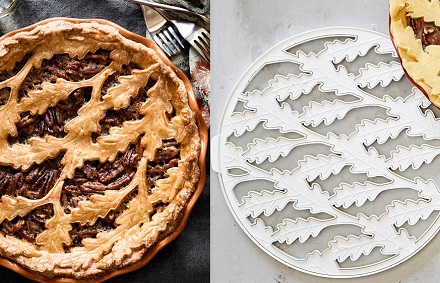
Since a shortening crust is less likely to toughen up with extra handling, it is perfect for making a decorative crust, just as I have done in the photo above. The scraps from your pie dough can be rerolled and cut out with a small cookie cutter, and the resulting decorations can be pressed onto the pie’s crust for a very elegant touch to your dessert. Shortening crusts won’t brown as much as all butter crusts will, so expect your baked crust to be a blonde color rather than a deep amber. If you want to enhance browning, brush the edge of your crust with a little cream before baking. If you opt for butter-flavored shortening instead of a plain variety – I usually use Crisco when I’m using shortening – your crust will take on a little more color, as well.

I have made crusts with all butter, all shortening and with a blend of the two (my personal favorite) and get good results with all of these options. This is my basic all shortening recipe and it should deliver just as good results for you as it does for me.
+Continue Reading

Roasted Grape Galette

Grape Galette
Grapes are a fruit that most of us simply eat straight out of the bowl, or wait until they turn into raisins and use them in baking. But there is another good use for grapes. They can easily be roasted and become even sweeter and more tender after a short time in the oven. Roasted grapes are delicious on their own or on top of ice cream, or when used in a tart filling, as they are in this Roasted Grape Galette.

Galettes are rustic looking fruit tarts that are easy to make and a great way to showcase fresh fruit. This one starts with a homemade pie crust that is folded up around a generous number of fresh red grapes, and is then baked until the grapes are incredibly sweet and the pastry is crisp and flaky. I toss my grapes in a little bit of cornstarch and a tiny amount of red wine (or grape juice) just to try to catch any juices that might leak out while the grapes are roasting in the oven and keep the inside the galette’s crust.

The key to a great galette is having a very flaky pastry dough to work with. Pie crust is sturdier than puff pastry and has less of a tendency to get soggy, even when you fill it with a very juicy fruit. You can use a storebought crust, but you will definitely have a better result with a good homemade one. You can get some tips here on making your pie dough even flakier. With a good crust, you’ll really get the contrast between crisp, buttery pastry and juicy, sweet filling.

This galette is best served the day it is made, as the juice from the grapes will cause the crust to soften a bit if it is stored overnight. Fortunately, the pie dough can be prepared a day or two in advance and kept in the fridge, so you can assemble the tart shortly before serving. Be careful when you’re rolling out the dough so that you don’t get any tears in the pastry that could let excess grape juice leak into the oven during baking and you get all that flavor in the finished tart.
+Continue Reading

How to prebake a pie crust

Blind baked pie shell

When you are baking a fruit pie, the filling usually goes into a pie plate lined with uncooked pie dough and everything bakes together. There are quite a few types of pies out there – including many cream pies – that call for a prebaked pie shell without giving you much instruction on how to get the pie crust baked. Prebaking a pie crust is also known as “blind baking.”

The first thing you’ll need is a piece of pie pastry large enough for a 9-inch pie (recipe here). Roll out the dough on a lightly floured surface until it is large enough to fill a 9-inch pie plate. Transfer the dough to the plate and press into place. Crimp or trim the edges of the dough, then chill for about 10 minutes in the refrigerator to allow the dough to relax (this will help prevent the crust from shrinking as you bake it).

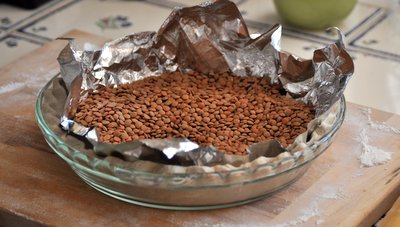
Once the dough has rested, use a fork to lightly prick the bottom of the pastry. Take a sheet of aluminum foil or parchment paper and press it into the pie plate, gently pushing it right up against the pastry. Fill the sheet of foil or parchment paper with pie weights, dried beans or even uncooked rice to hold it in place. This weight helps the pie dough hold its shape.

+Continue Reading

Visit Us On FacebookVisit Us On PinterestVisit Us On TwitterVisit Us On YoutubeCheck Our Feed