Archive for: flaxseed

How to use edible seeds in baking

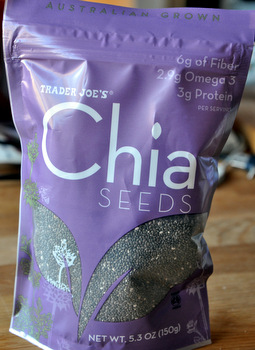
Chia Seeds

Edible seeds – such as chia and flax seeds – are becoming more and more common, with the potential health benefits of adding them to your diet touted loudly by their packaging. But although they are small, the little seeds are something of a mystery to many bakers and chefs who often aren’t sure how they’re supposed to use them! Fortunately, these edible seeds are actually very easy to work with and you don’t have to take any unusual measures to enjoy their benefits if you want to start incorporating them into your baking.

Flax and chia seeds are two seeds that are very popular right now. They have very little flavor, especially in small amounts, and can be incorporated into anything from smoothies to breads simply by stirring them in. Flax seeds are difficult to digest, however, so you will get a bigger nutritional boost by grinding them up (or just buying flaxseed meal) before using them. Chia seeds are easier to digest and can be used whole.

Poppy seeds are another small seed that is commonly found in the kitchen. Although they don’t get the press that flax and chia seeds do, they can still be a good source of protein and fiber. They have very little flavor in small amounts and can be simply stirred in to any recipe that you might want to add them to, just like flax and chia seeds. Since they are a bit larger than those two seeds, they give baked goods a very attractive speckled look when incorporated.

Sunflower, pumpkin and sesame seeds are more familiar to most of us as ingredients, mostly because they have much more distinctive flavors than smaller seeds do. You can actually treat these seeds a lot like nuts. They can be toasted to deepen their flavor, which is much stronger than the flavor of smaller seeds. They can be stirred in to cookie dough and other baked goods whole. They’re a great addition to granola or other snack mixes, too. And both sesame and sunflower seeds can be pureed into tasty versions of peanut butter (called tahini in the case of sesame seeds).

What are chia seeds?

Chia Seeds
Chia seeds have been popping up in grocery stores all over the place – and they’re not always confined to the health food section anymore. Chia seeds are the same seeds that you could mix with water and spread over a small, terracotta animal to make a trendy “chia pet” back in the 1980s, but today they are gaining popularity for nutritional benefits, as well.

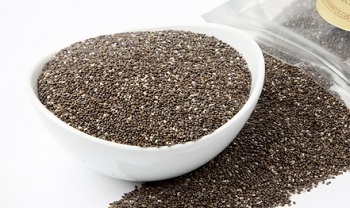
Chia seeds are the seeds from the salvia hispanica plant, or chia plant, a flowering herb that is in the mint family. The seeds are very rich in omega-3 fatty acids, which is primarily what makes them popular as a nutritional supplement, though they are also high in fiber, protein and other nutrients, as well. The seeds are quite small – usually no larger than a millimeter in diameter – and have a mottled greyish color to them.

Unlike flax seeds, which are also a popular source of omega-3 fatty acids, chia seeds are much more easily digestible and do not have to be ground for their nutrients to be absorbed by the body. They also have a longer shelf life and are less likely to become rancid than flax seeds are.

Honey and Flaxseed Bread

Honey and Flaxseed Bread

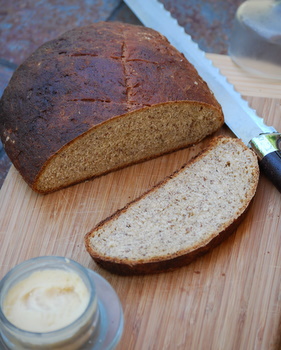
It’s been pretty hot lately, so I haven’t been in much of a bread baking mood. But I recently made up a huge batch of gazpacho and it’s just not the same if you don’t have some good bread to go alongside a good soup – whether it is a hot soup or a cold one. So, I looked into my pantry and started to put together a couple of nice, hearty loaves of Honey and Flaxseed Bread.

This bread is a little bit sweet and a little bit nutty, with a nice whole grain flavor to it. I attribute its whole grain heartiness to the combination of flaxseeds and whole wheat flour in the dough, although the bread is moister and less crumbly than a completely whole grain bread might be because I included some all purpose flour to try and keep prevent it from getting too heavy. Honey really speeds up browning when it comes to baked goods, so this bread will develop a fairly thick, dark crust as it bakes. If your crust starts to get too dark (i.e. if it starts to burn in spots), simply tent a piece of aluminum foil loosely over the loaf and let it continue to bake.

The recipe given below makes one medium-sized loaf. It doubles very well if you’re going to want more than one, and all the instructions are exactly the same as given, though the risen dough should be shaped into two loaves before baking. I prefer to have the option to make just one loaf at a time unless I know I’m going to be baking for a crowd, so I’m leaving the recipe as written for a single loaf of bread.

+Continue Reading

Visit Us On FacebookVisit Us On PinterestVisit Us On TwitterVisit Us On YoutubeCheck Our Feed