Archive for: biscotti

Coconut Cranberry Biscotti

Coconut Cranberry Biscotti
Biscotti are one of my favorite cookies to make for a couple of reasons. They’re not too difficult to make, they keep extremely well and they always taste better than store bought. I also like being able to put my own flavor twists on biscotti, as the options when you buy them in a store are often quite limited. That isn’t to say that I don’t appreciate a good almond biscotti (probably the most popular base flavor) as much as the next person, just that I like a little variety.

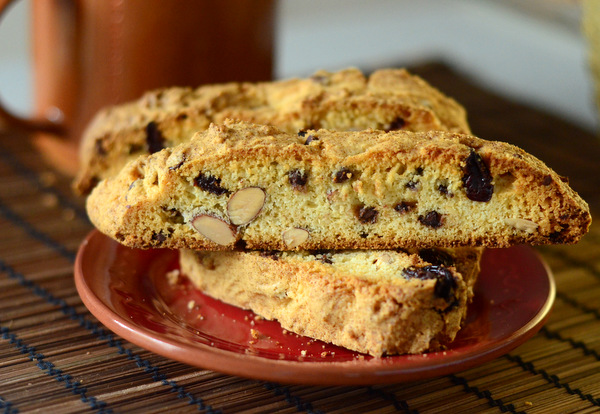
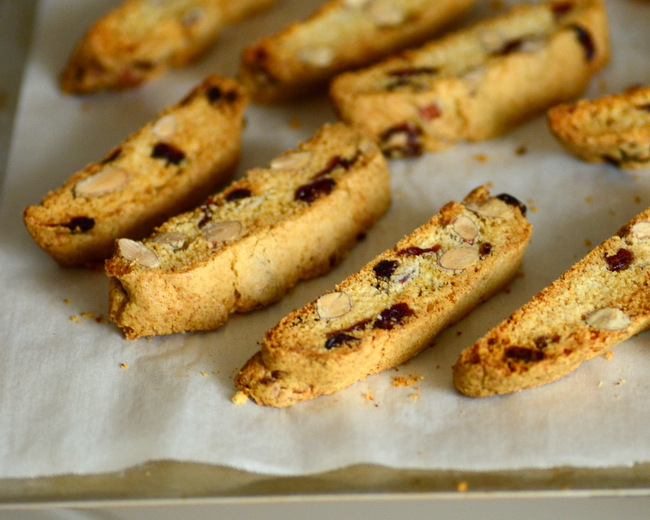
These Coconut Cranberry Biscotti are one of my favorite variations. The cookies use shredded coconut in place of almonds or other nuts that are traditionally included in biscotti, and they are studded with dried cranberries that add a pop of color and sweet-tart flavor. The biscotti have a subtle coconut flavor to them, but it is not overwhelming. They’re not too sweet, so I typically use sweetened shredded coconut in my batches, though unsweetened coconut will work just as well if you tend to have that on hand.

The dough for these cookies is baked in large logs, which are cooled slightly before being sliced and baked a second time. You will need a very sharp knife – either a bread knife or a large chef’s knife – to get a clean cut on your cookies, as the cranberries can get “caught” on a dull blade. Still, the finished cookies will taste good in the end, they’ll just look a little prettier if you sharpen your knives first! The cookies, once baked, will keep very well in an airtight container for at least a week or two. Mine don’t last much longer than that – and I doubt yours will either.
+Continue Reading

Orange Almond Biscotti

Orange Almond Biscotti
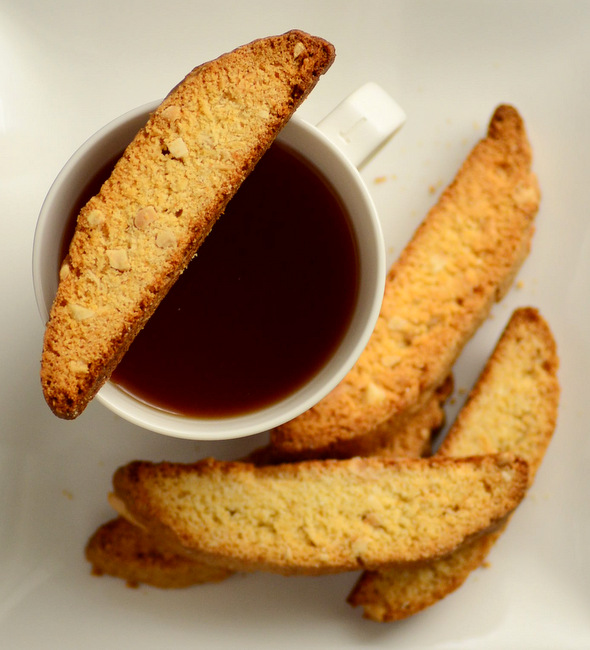
One or two biscotti are a terrific compliment to a cup of coffee or a mug of tea. Just about any flavor will do, whether you like anise flavoring or you prefer your biscotti dunked in chocolate. These Orange Almond Biscotti are certainly a good option. Biscotti are twice baked cookies that are known for being dry, crisp and having a long shelf life. These biscotti are richer than most biscotti recipes and use a fair amount of butter, and so they have a more tender texture and are a little less “hard” than some other biscotti. They still go extremely well with coffee, of course, they just don’t need to be dunked into the cup to be edible.

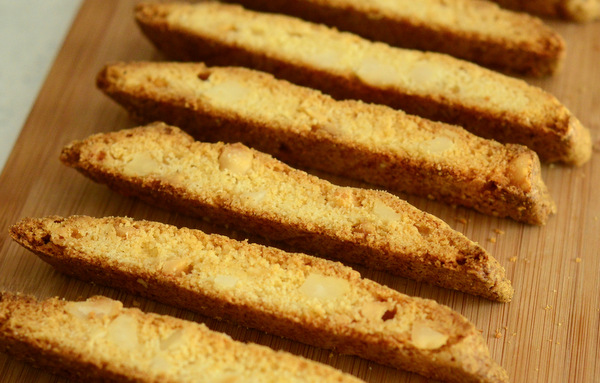
The primary flavor in these biscotti is orange, and the flavor all comes from fresh orange zest. I used about three tablespoons of orange zest from two large oranges just to flavor the batch – and it comes through in a wonderfully fragrant batter and very flavorful cookies. Sliced almonds are added to the batter, as well, adding a very subtle almond flavor and a lot of crunch.

Dip these biscotti into some melted dark or semisweet chocolate to dress them up after baking, especially if you are planning to serve these as dessert with coffee or intend to pack them up to send off as a gift for the holidays. Chocolate and orange blend together perfectly. The biscotti keep well when stored in an airtight container, so the biscotti make a treat that will last around the house all week long, as well as one that ships well to family and friends.
+Continue Reading

Biscotti: Recipes from the Kitchen of The American Academy in Rome

Biscotti from the American Academy in RomeWhen you think of biscotti, you probably picture oblong, dry, flat-sided cookies that are commonly served with coffee or tea, with desserts or at coffee shops. In Italy, the word is used to refer to any type of cookie – twice-baked or not – and in Biscotti: Recipes from the Kitchen of The American Academy in Rome, The Rome Sustainable Food Project they use the Italian definition. The book is put out by the The American Academy in Rome, the oldest American overseas center for studies in the arts and humanities.

The food for the Academy is classic Italian, made with organic, locally produced food from the area surrounding the school. The baked goods served alongside that food are prepared with the same attention to tradition and quality ingredients. But the biscotti are a signature item, available every day and a favorite of students and visitors alike. The book is dedicated to these cookies. It is divided up into five categories: Milk and Wine; Nuts; Honey, Citrus and Spice; Meringue; and Chocolate. The recipes include very traditional Italian classics and twists on American favorites, such as snickerdoodles and peanut butter cookies, as they are prepared by the Italian kitchen in the school.

The book has plenty of lovely photos of the cookies and is also peppered with snapshots of life at the Academy – literally, with photos of the campus and those who study there. The recipes are well written and most have few ingredients, something that allows their simple flavors to come through, as well as motivates you (the home baker!) to try them out sooner rather than later in your own kitchen. The more traditional recipes are the main attraction here, and each of the recipes comes with some lovely notes about the origins of the cookies or the spices that give them their signature flavor, weather you’re baking a ring-shaped anise cookie (Ciambelline Elena) or a flourless pine mut cookie (Pinolate).

Almond and Toffee Biscotti

Almond and Toffee Biscotti
I tend to save biscotti for wintertime baking because making them, while easy, involves a bit more time working near a hot oven than I usually want to spend on a hot summer day. That being said, one recipe for biscotti makes a lot of cookies – cookies that keep very well, where one batch will last you quite a while – and they go just as well with iced coffee and iced tea as they do with their hot counterparts!

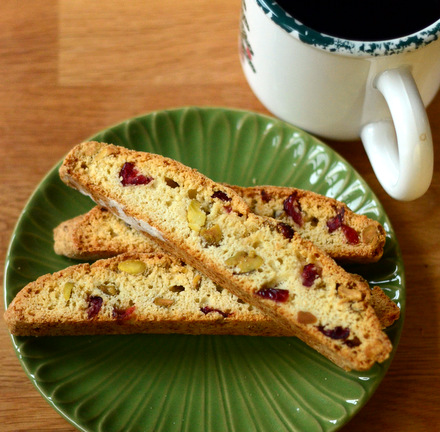
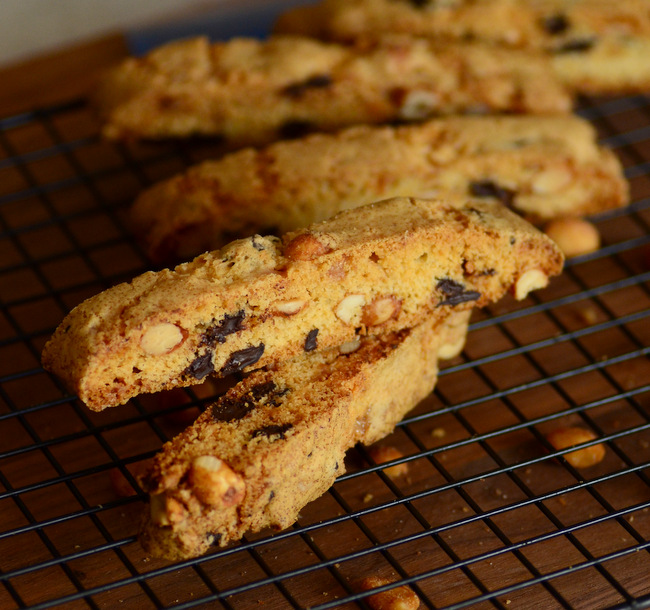
These are Almond and Toffee Biscotti, made with whole chopped almonds and bits of English toffee. Toffee and almonds are often paired together in other candies, making it no surprise that they should come together here. I used whole almonds and gave them a rough chop before adding them in. You can use toasted almonds, but these biscotti spend enough time in the oven that the almonds will toast up well all on their own. The toffee bits add a little extra sweetness to the finished cookies and make them a little more interesting than your standard almond biscotti.

The cookies are first baked as a log of dough, which gives the structure a chance to set up. The logs are sliced into individual cookies, then the cookies are baked a second time until they are dry and crisp. The finished biscotti will be very crispy, but fortunately they have a light structure to them that makes them easy to bite into and not rock hard. Drizzle them with a little bit of melted dark or milk chocolate after they’ve cooled to give them a little bit of an indulgent edge.

+Continue Reading

Muffin Biscotti

Muffin Biscotti

Most muffin recipes make a dozen muffins. Sometimes I can get through the whole dozen – with a little help, of course – and sometimes I just can’t. Leftover muffins are usually good for a day or two, but most don’t hold up well longer than that. One solution is to freeze them when they are fresh and defrost them when you want to eat them. Another solution is to make muffin biscotti with the leftovers.

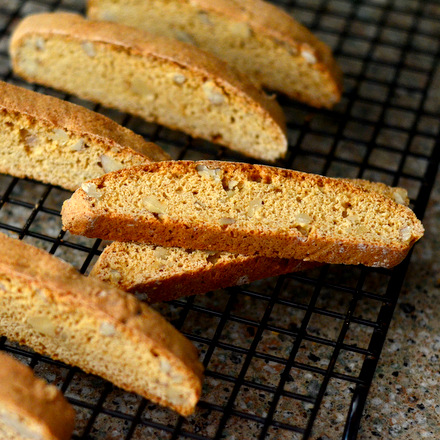
I made these by slicing up muffins thinly and baking them at a low temperature until they were dry and crisp. They don’t  get quite as crispy as regular biscotti, but still crisp enough to dunk into a cup of coffee! The center slices make the best biscotti, but you can slice the ends and toast them up to get the most bang for your muffin.

This little trick works best with muffins that don’t have too much fresh fruit in them – especially if that fruit is some type of juicy berry – simply because they will crisp up better that way. It’ll still work with fruitier muffins, they just won’t have quite the same finished texture as those that are without.

+Continue Reading