
Archive for the ‘Breads – Yeast Breads’ Category

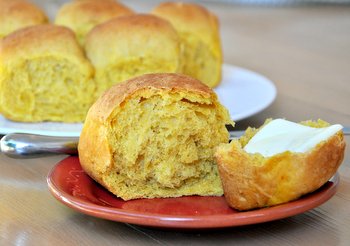
I love serving homemade dinner rolls for dinner, especially when I’m making a big meal for a big occasion, such as Thanksgiving dinner. The problem with dinner rolls is that they’re a little time consuming to make – especially if you’re going to make a big batch of rolls – because you need to shape each and every one. I am actually pretty quick at making them, but when I have a lot of other dishes to prepare, I honestly just want an easier option and that is exactly how I came to put together this No Knead Pumpkin Dinner Bread.
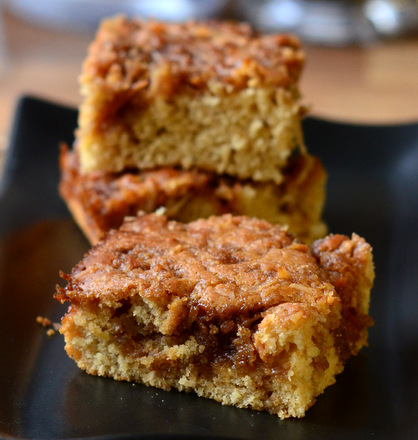
This bread is like a whole batch of soft, fluffy dinner rolls baked into one big loaf. It is baked in a large baking pan, just as dinner rolls might be, but without any shaping of any kind. The large, rectangular loaf and can be cut into dinner roll-sized squares for serving.
The bread dough is sweet and tender, with a very soft texture to it that makes it a good match for butter and jam. There is a small amount of pumpkin puree in the dough (it’s a good way to use up leftovers after baking pumpkin muffins) that adds sweetness and a lovely light orange color. The dough is very easy to make and even easier if you have a stand mixer. All you need to do is stir the dough together until it comes into a soft, slightly sticky ball (this will take a bit of stirring if you don’t have a mixer) and then turn it out into a greased 9×13-inch pan. The bread dough rises right in the pan and goes straight into the oven.
I topped my bread with a sprinkle of sesame seeds. You can leave yours plain if you prefer. When the bread comes out of the oven, brush the top with a little bit of melted butter to soften the top and add a little extra buttery flavor to the bread.
+Continue Reading

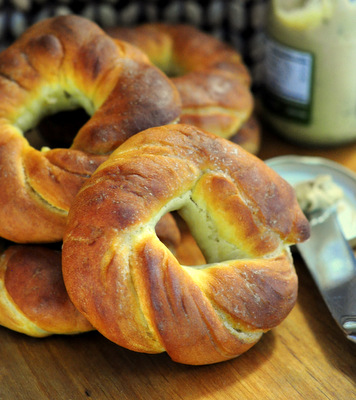
Onions have a sweet flavor and a wonderfully tender texture to them when they’re cooked. Onions are a big flavoring component of many dishes and sauces, but they’re not always included in something like a loaf of bread. This Braided Sweet Onion Bread is a soft yeast bread that is stuffed with sweet, buttery onions for a loaf that will give ever-popular garlic bread a real run for its money.
The bread is a lightly sweetened loaf that has a soft, fluffy crumb. The dough is divided into thirds, and each piece of dough is stuffed with an onion filling, then the pieces are braided together to form the finished loaf. It can be a little tricky getting the buttery onion mixture fully enclosed in the dough (your last section will probably be a little better than your first; practice helps a lot!), but a few stray pieces of onion is nothing to worry about and won’t impact the finished loaf.
The onion filling is made by gently sauteing some garlic in a little bit of butter and then tossing the mixture over some uncooked, diced onions. Sweet onions are sweet just as they are and don’t need to be precooked, while regular white and yellow onions are usually cooked to draw out their sweetness. In this recipe, the onions actually cook as the bread bakes, so there is no need to cook the onions in advance. Sweet Vidalia or Hawaiian onions are definitely my favorites for this recipe, but you can substitute other types of onion if you don’t have sweet onions. The onion flavor will be a little more potent with other onions (not that there is anything wrong with that!) and the bread will be a touch more savory overall.
The bread has a real wow factor to it. This is partly because the large, braided loaf is very pretty, but also because the moist, flavorful fulling makes a great contrast to the slightly sweet bread surrounding it. I originally made it to accompany some homemade tomato soup, but the bread goes well with just about everything. Include it in breakfast alongside eggs and bacon, slice it for a sandwich or just spread a little bit of butter on top and enjoy it on its own.
+Continue Reading

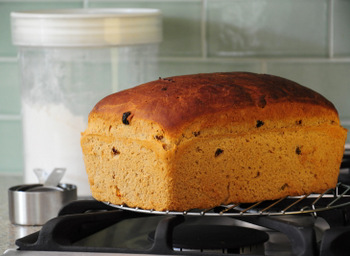
My No Knead Whole Wheat Honey Sandwich Bread is one of those recipes that you just might find yourself making over and over, because it is so fast and easy – especially for a yeast bread recipe – and it makes a great all purpose loaf of bread for sandwiches and toast. The loaf is also fairly plain, which makes it a great base for variations. With a little cinnamon, a little brown sugar and a generous amount of dried blueberries, I turned this sandwich bread into one that makes excellent french toast.
No-Knead Whole Wheat Cinnamon Blueberry Bread starts out with a mixture of whole wheat flour and bread flour. The flours are heated slightly before being incorporated into the the dough, which helps the loaf to rise faster and make it into the oven more quickly. The dough can be mixed by hand, but I tend to whip it up in my stand mixer, so it really tasks very little time to put together. The whole wheat flour gives the bread a very nutty flavor and a slightly coarser crumb than all purpose or bread flour would. The slightly airier texture of the finished bread makes this perfect for soaking up an eggy french toast batter or lots of butter after toasting. It doesn’t have the sweetness of a cinnamon swirl bread, which often has additional sugar added when making the swirl, but it still has plenty of flavor from the cinnamon and all of those blueberries.
Dried blueberries make a nice change from raisins in this bread dough, adding a sweet and fruity flavor to the loaf. The berries plump up nicely during baking, too. If you have raisins or currants, you could easily substitute those into this recipe or use them in a mixture with some blueberries. Dried cranberries could be subbed in in the fall and winter for a tangier note in cooler weather. This bread slices easily and makes great toast, especially if you finish it off with butter and cinnamon sugar. If you end up taking the french toast route with your finished loaf, pick up some fresh blueberries and make a nice compote to top off your breakfast!
+Continue Reading

An Italian restaurant that is not too far from my neighborhood makes a pizza that they call The GCOP. This pizza may have a funny name, but it has a lot of fans. The GCOP stands for goat cheese, caramelized onions and pancetta. I’ve never been sure whether the “c” in the name comes from the cheese or the caramelized onions, but one thing I am sure of is that this is a fantastic combination of flavors for a pizza to have.
Naturally, I wanted to give this pizza a try in my own kitchen so that I could make it any time I was in the mood for a slice – or any time that I had all of the ingredients available and ready to go! I started with my favorite pizza crust recipe. The recipe uses a technique that was developed by America’s Test Kitchen. It produces a light crust with just the right combination of chewy interior and crisp exterior in a very short period of time – and it is all done in a food processor. I definitely recommend this crust, but you can use these toppings with another dough recipe if you have a favorite.
Pancetta is frequently known as Italian bacon. It is cured with salt and seasoned with pepper and other spices, but it is not smoked like American bacon is. Pancetta is typically sold in sausage-like logs, and it can be cut thick or thin, in rounds or in strips, depending on what you want to do with it. In this case, I cooked some small cubes of pancetta in a skillet with a little bit of olive oil until they were crispy and removed them to a paper towel to dry. Then, I added the my onions (and some butter, but you don’t need to add extra) to the fat left in the pan and caramelized them over a medium heat. I put a very small amount of marinara sauce on my dough, topped it generously with pancetta and onions, and then sprinkled on some goat cheese and a little shredded mozzarella. It isn’t exactly like what I had in the restaurant, but it was a great way to top a pizza. The salty cheese melds well with the slightly salty, porky pancetta and the sweet onions, and the tomato sauce adds some extra sweetness and a nice backdrop that brings everything together.
The amounts given below are approximate, as you can add as much or as little of these elements to your pizzas as you wish. They can all be easily doubled, too, if you’re doing a big batch. Feel free to add some red pepper flakes for heat or omit the mozzarella if you want more goat cheese, too.
+Continue Reading

Most ciabatta recipes start with a preferment called a poolish, a mixture of flour, water and yeast that is left to sit for a period of time – usually 12 to 24 hours – before the rest of the dough is put together. Starting a ciabatta this way will add a lot of flavor to the dough and it will also add a certain degree of suppleness to a dough, which you need to produce a holey-ciabatta bread. Another type of preferment is a sourdough starter and I have found that it also works very well as a starter for ciabatta – and as someone who has been keeping a sourdough starter alive in my kitchen for a long time, I always appreciate a new way to put it to use. And since I always have my sourdough starter on hand, I don’t need to wait the 12 to 24 hours that a poolish takes to develop before baking my bread.
I first found a recipe for sourdough ciabatta on the King Arthur Flour site (they also have a recipe for ciabatta without sourdough), but it took a few tweaks to get it to the consistency that I liked. My dough uses just water, bread flour, olive oil and salt, along with some active dry yeast to give it extra lift. Make sure that your sourdough starter has been fed and is active before you mix it into the dough. My sourdough starter is quite thick, but they vary in consistency, so you will need to gradually add in the last cup of flour to the bread dough before letting it rise, as some doughs will need more additional flour than others.
The original recipe suggests that the dough should have the consistency of drop-cookie batter, thick and slightly sticky but not dry or firm. If you add too much flour, your bread will be a bit denser. If you don’t add enough, the dough will be too slack and will be very difficult to handle. The trick is not to add too much flour to the dough and use a lot when you are handling it (as well as having a big bench scraper on hand) to ensure it doesn’t stick. To test my dough, I press it with my fingertip: it should feel sticky but should hold together, not stick to my finger. After my dough rises, I quickly deflate it and very gently shape it. I let it proof right on the baking sheet I am going to use so it is ready to go into the oven without needing to be moved again.
This ciabatta is not quite as holey as some ciabattas that I’ve had, but it has a chewy crumb and a nice crispy crust to it. It has a hint of sourdough flavor to it, and since it has a little more body than some more open-textured ciabattas, it slices and toasts very well. You can also put this bread to use as you would other ciabatta breads, making sandwiches and paninis or dipping in olive oil and serving alongside good cheese and prosciutto.
+Continue Reading