Filed under Recipes, Puddings, Custards and Mousses, Dessert Sauces, Crisps and Other Fruit Desserts by Nicole | 11 comments

Apples are not the first fruit I think of to go into bread pudding. For some reason, things like cherries, raspberries and especially various dried fruits seem like more obvious choices to me, despite the popularity of the apple as a baking fruit. They are softer and, in the case of dried fruit, more absorbent. Both seem like better matches for a custardy and tender bread pudding than a crisp-tender baked apple. But I am not one to let minor culinary prejudices get in my way when I have an idea in my head and when the combination of bourbon and apples called to me, I decided to try them in a bread pudding together instead of going with a standby apple dessert, such as a cobbler, pie or crisp.
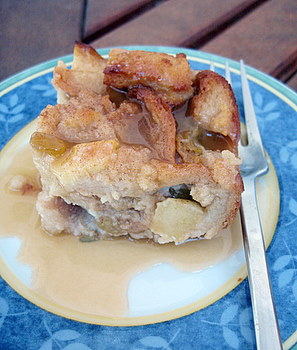
And I’m certainly glad I gave this particular dessert a try because it turned out better than I had hoped - and I think it converted me to someone who likes apple in bread pudding! The apples were lightly caramelized before being mixed into the custard and bread mixture that is the base of the pudding, which gave them a bit of extra time to soften up before the dessert went into the oven. The fruit ended up with that perfect crisp-tender texture that you want in a baking apple and added a nice contrast to the very soft bread pudding base.
Apple and bourbon always make a good combination - particularly when cinnamon, nutmeg and vanilla are also tossed into the mix - so the flavor of this dish was delicious. I used a fairly plain and soft white bread (store bought, sandwich-sliced potato bread, to be exact) and I did not bother to “stale” my bread, since I don’t find that doing so makes a big impact on the outcome of the pudding. The dessert will be slightly more indulgent if you use a butter and/or egg rich bread, like brioche or challah. Cinnamon swirl bread would be a pretty good choice, too.
Serve warm, either plain or with ice cream. If you want to take it really over the top, though, mix up a bit of the butterscotch sauce I made and spoon it on while hot. It’s not as thick as anything you’ll find at the ice cream parlor, but the flavor is great and it really makes this dish addictive. (more…)
Filed under Magazines & Cookbooks by Nicole | 6 comments
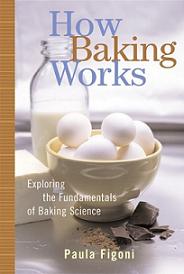
You’ve probably heard it said that baking is a science. It’s true. It works like this: multiple ingredients get mixed together, heat is (usually) applied and a few chemical reactions later you have something truly delicious to eat - as long as you did everything right. How Baking Works: Exploring the Fundamentals of Baking Science is a book that tells you everything you need to know about baking from a scientific standpoint and, unlike your high school textbooks, manages to make the information it passes along both interesting and useful.
Most cookbooks touch on the most important properties of ingredients briefly before moving on to the recipes. The protein in egg whites is a binder. Gluten in flour provides structure. Etc, etc, etc, and so forth. Then the books move on to the recipes - and for good reason, since the recipes are the reason that you purchased the cookbook in the first place.
How Baking Works is all about the process. Not only does it describe - in detail - the function of every type of baking ingredient and the role it plays in the chemistry of baking, but forces you to learn as you go. The book has a unique setup of questions and answers that quiz you as you go, asking you to consider what will happen if you add more sugar, subtract an egg or double a recipe. It’s this setup and this kind of information that makes this book a great tool for those who want to move from being a good baker to being a great one. It gives you the tools you need (and probably a boost of confidence on top of it) to tweak existing recipes to your own specifications and to write your own recipes - and allows you to be pretty sure that they’re going to come out just right.
Filed under Recipes, Cookies - Bar Cookies and Brownies by Nicole | 8 comments

From lemon meringue bars to brownies to s’mores, tray bakes - a blanket term for all kinds of bar cookies and fruit slices - are really very versatile. You can use a crust to create a layered bar or a tart-like fruit treat, or use a single batter to make brownies or blondies. I’m a bit partial to cookie bars in particular for a couple of reasons. First, that you don’t need to spend all that time doling out batter onto baking sheets or hovering near the oven, waiting for the oven timer to go off every 10 minutes so that you can remove one batch and insert another to bake. With bar cookies, everything goes right into the pan and is done in one batch. Second, you can slice the resulting bars into any size you like - a feature that comes in handy when you’re dealing with this recipe.
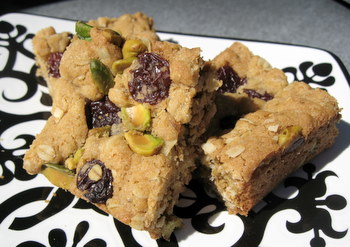
These bars are nothing more than oatmeal cookies that come out in rectangles, rather than rounds. Almost nothing more, I should say. They are thicker than regular drop cookies, and consequently have a slight chew to them, but have the same great oat and butter flavor of regular cookies. Unlike some blondie recipes or brownie recipes, these cookies are not dense at all. Instead, they’re tender and a bit crumbly. The dough barely holds together and must be pressed into the pan, and the lack of liquid in the dough helps achieve this texture.
Instead of cinnamon and raisins or chocolate chips - all of which are typical oatmeal cookie additions - I opted to pack these full of pistachios and dried cherries. I used sweet cherries, not tart, and was incredibly pleased with the result. The cherry and pistachio flavors complemented each other very well, both in flavor and in texture. The cherries gave a nice chew to the cookies and the pistachios added a nice crunch, as well as a nice change from much more commonly used pecans and walnuts. I did not chop my cherries or pistachios up before adding them into the dough, but if you prefer your add-ins to be on the smaller side, give yours a coarse chop with a chefs knife before stirring them in.
(more…)
Filed under Stores and Shopping by Nicole | 3 comments

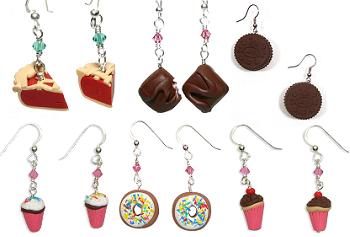
Diamonds, gold and other precious things might be the most typical choices for jewelry, especially if you’re looking to pick out a gift. But when it comes down to it, sometime pricey certainly isn’t the only option and sometimes having fun with your jewelry can be just as satisfying. In this case (since this isn’t exactly a fashion blog), I’m talking about foodie-friendly, sweets themed earrings. The earrings pictured above are handmade by artist Amy Secrest and look good enough to eat. My favorite designs of hers include all things sugary, like cupcake earrings, pie earrings and chocolate earrings. They are all brightly colored and beautifully decorated with great attention to detail. The cupcakes and donuts come in multiple “flavors” of cake and frosting, the pie slice comes in apple and lemon and the chocolate pieces are available in dark chocolate in addition to milk, if you’re looking for a little variation. The oreo earrings are handmade by another artist, but show the same level of fun and attention to detail.
Amy has many other adorable jewelry offerings as well, from necklaces to charm bracelets, in designs that include everything from cupcakes to bacon to sushi.
Filed under Recipes, Drinks by Nicole | 0 comments

I probably should have posted this back for St. Patrick’s Day, but I really don’t think that Irish coffee should only be a once-a-year treat. The drink is so tasty that, while it might be best for special occasions, it is certainly worthy of more than just a single holiday.
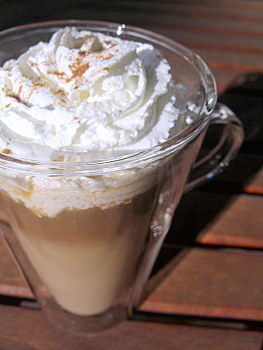
Irish coffee is the label applied to hot coffee that is enhanced with a shot of Irish whiskey and a bit of sugar to sweeten everything up. Since it usually gets served as an after dinner drink, often in lieu of dessert, lightly sweetened whipped cream is almost always used to finish off the drink’s presentation.
I do my Irish coffee a little bit differently than tradition dictates. I prefer to drink my coffee black, so I don’t particularly care for sugar in my coffee even though I don’t mind a bit of sweetness. So, I use a shot of Baileys Irish Cream to sweeten up the drink, take the edge off both the coffee and the whisky and add another layer of flavor to everything. I use equal parts whisky and Baileys (I have a preference for Baileys with a Hint of Caramel, if you can find it in your area) and alter the amounts to suit (a) the time of day and (b) the size of the glass I’m working with. And I never forget the whipped cream.
(more…)
Filed under Baking by Nicole | 1 comment

Almond paste and almond meal are two ingredients that are quite easy to confuse - especially when you haven’t worked with either one before.
Both products start with ground almonds. Almond meal, which is also called almond flour, is made with nothing more than finely ground almonds. Technically, almond meal is really only made with almonds leftover from the almond oil extraction process and because the almond oil (sold separately as a flavoring agent) has largely been removed from the nuts, the resulting flour is drier and doesn’t stick together in large clumps. It can be made at home by whizzing almonds in the food processor so long as you are careful not to let the processor run too long and move the almond mixture past “finely groud” and into “almond butter” territory. Using regular almonds, in place of the more commercially used almond oil-less almonds, will not make a substantial difference in a recipe, and neither will using almonds with their skin on vs. blanched almonds.
Almond paste can also technically be made at home as it is a paste-like mixture of almond meal and sugar. Sometimes the almond flavor of the paste is boosted with the addition of almond extract or by adding almond oil back into the product. Typically sold in cans or tubes, almond paste has a texture that is similar to marzipan, but is less sweet overall.
Almond paste is soft and can be molded with your hands or incorporated into a batter or filling. It is often used as a base for tarts (as in frangipane) or as a filling for cakes. Almond flour/meal is frequently used to replace some or all the flour in a baking recipe. There is no gluten in it and it will not hold a mixture together like all purpose flour will, but it does contribute a lot of tenderness and moisture - not to mention an almond flavor - to a finished product.