Archive for: what-is

Chia seeds have been popping up in grocery stores all over the place – and they’re not always confined to the health food section anymore. Chia seeds are the same seeds that you could mix with water and spread over a small, terracotta animal to make a trendy “chia pet” back in the 1980s, but today they are gaining popularity for nutritional benefits, as well.
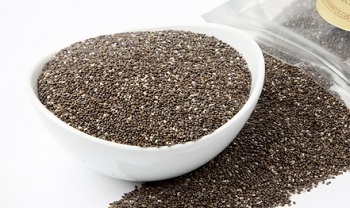
Chia seeds are the seeds from the salvia hispanica plant, or chia plant, a flowering herb that is in the mint family. The seeds are very rich in omega-3 fatty acids, which is primarily what makes them popular as a nutritional supplement, though they are also high in fiber, protein and other nutrients, as well. The seeds are quite small – usually no larger than a millimeter in diameter – and have a mottled greyish color to them.
Unlike flax seeds, which are also a popular source of omega-3 fatty acids, chia seeds are much more easily digestible and do not have to be ground for their nutrients to be absorbed by the body. They also have a longer shelf life and are less likely to become rancid than flax seeds are.

Candy melts are a product that are often recommended for easy candy making or coating cake pops wit a chocolatey coating. They come in many colors and have a plain, vaguely milky flavor that serves as a base for additional flavorings. There are other products with very similar names out there that perform in the same way. Many people make the mistake of thinking that these are chocolate, since they’re recommended for candy making, but these melts are not chocolate. They’re primarily made with a combination of sugar and vegetable fats – not cocoa butter.
Candy melts are easy to use – just melt and dip – and they come in a wide variety of colors, which makes it easy to decorate with them and achieve a wide variety of looks. Since they are not chocolate, so they don’t need to be tempered. Candy melts will set up with the same look and texture after they have been melted and allowed to harden again. The only real downside is that they’re quite sweet and definitely don’t deliver that rich chocolate flavor to candies made with them.
Tempering chocolate – a process that stabilizes melted chocolate so that it has a smooth, glossy sheen with a nice “snap” after it sets up – can be a tricky process because you have to raise and lower the temperature of your chocolate to get just the right result. It can take a little bit of practice to get the hang of tempering chocolate, but it is well worth it for making homemade chocolate bark or other candies. Candy melts are best used for decorative purposes.

Cans of pumpkin pie mix, or pumpkin pie filling, line the baking shelves at many grocery stores this time of year. They’re usually set right next to the ready-to-use graham cracker pie crusts, so they catch your eye and get you thinking about baking a pie. The filling mix is also usually next to the regular canned pumpkin puree and many bakers have picked up the wrong can accidentally time or two.
Canned pumpkin pie mix is not the same as pumpkin puree. Pumpkin puree is just pumpkin that has been cooked and pureed until it is smooth. A product labeled as pumpkin pie filling, or pumpkin pie mix, contains pumpkin puree that has already been sweetened and flavored. It is really intended to only go into a pumpkin pie – and to make the process of putting a pie together as easy as possible (even though from-scratch pumpkin pie is quite easy, too).
I often get asked if this pre-mixed pumpkin pie filling can be substituted for pumpkin puree in other recipes. In general, canned pumpkin pie filling should not be substituted for plain puree in a recipe that only calls for the puree, such as a recipe for cake, cookies or muffins. The added sugar and spices can throw off a recipe and removing sugar from the recipe to try to compensate can alter the texture of the finished product, so you won’t necessarily get the result you were hoping for. The pumpkin pie filling is also too sweet to be used in savory pumpkin dishes, such as pumpkin soup, and can throw off the flavor there. Keep the filling for an easy pie on short notice, and instead stock up on the more versatile pumpkin puree if you are going to do a lot of pumpkin baking.

Bread flour is a high protein flour that is intended to be used in yeast breads and designed to give you a better result in those breads than you would get with another type of flour. The high protein content means that the flour has more gluten in it. The increased amount of gluten allows doughs make with bread flour to be extremely elastic, and that elasticity leads to a lighter and chewier yeast bread. It is occasionally called for in non-bread recipes when a chewier texture is desired, but this is not very common.
All purpose flour is the most commonly used flour (here in the US; some countries just have “plain flour” with a similar purpose). The idea behind all purpose flour is that it is good for most purposes and you can use it for baking cookies, baking cakes, making pastries and making breads. Most of the time, all purpose is a good choice, but those specialty flours – such as cake flour, pastry flour and bread flour – can definitely deliver a better result when they’re called for in a recipe.
It can be difficult to create a substitute for bread flour if you do not have bread flour but a recipe calls for it. The best way to substitute for bread flour is by adding a small amount of vital wheat gluten (which is just pure protein/gluten) to all purpose flour to increase its protein content. Remember that a higher protein content will lead to a more supple dough. If you directly substitute all purpose in a recipe that calls for bread flour, you may end up with a bread that doesn’t rise quite as well or has a slightly more crumbly texture than it would otherwise have. Fortunately, bread flour is very widely available at most supermarkets, so it is easy to have on hand if you regularly bake yeast breads at home.

Tonka beans are an unusual spice that you don’t see in everyday cooking, but have a very unique flavor that has won them a lot of fans. The beans are actually seeds from a type of flowering tree found in South America. They are roughly an inch high, are very firm and have a somewhat wrinkly appearance. Tonka beans taste similar to vanilla beans, but have distinctly fruity and spicy elements to them where vanilla is more floral. Also like vanilla, the flavor of the tonka bean can be very complex, but can also be very subtle when it is used in a recipe – which means that it can be difficult to pinpoint the origin of those flavors unless you know that the tonka is in there. It is not unheard of for chefs to use this ingredient in recipes (and some home chefs will find suppliers and use the beans, as well) to add another layer of flavor to something and simply not mention where some of that flavor comes from.
The beans are typically grated with a microplane and then infused into liquids or stirred in with dry ingredients. They have a strong aroma and you only need a small amount to get the flavor infused into something. Tonka beans are very popular in France, and some of my own first experiences with them came from French friends who were fans of them.
The reason that tonka beans are not well-known in the US is that they contain courmarin, a (naturally occurring chemical) that was shown to cause liver problems in rats in extremely high doses. Tonka beans have been banned by the FDA for sale in the US as a food item since the 1950s because of this, though you would have to ingest exceptionally high amounts of the tonka bean to reach these levels. The small amount of shavings that would typically be used to make a recipe don’t even come close to reaching these levels – which is why the tonka bean remains so popular in other countries, even though it is not used here often. You could also draw a comparison to nutmeg, a spice that can also contains a chemical – myristicin – that can be toxic in extremely high doses and is typically used only in very tiny amounts in recipes.
I have seen tonka beans used in candles and soaps to infuse them with a unique scent, as well as in food products. It might not be common, but you won’t forget the flavor once you’ve had it. I would keep my eye out for the opportunity to try it if you haven’t encountered it before, because its flavor is well worth a taste.