Archive for: squash

What is winter squash?

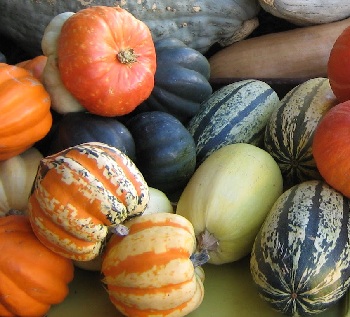
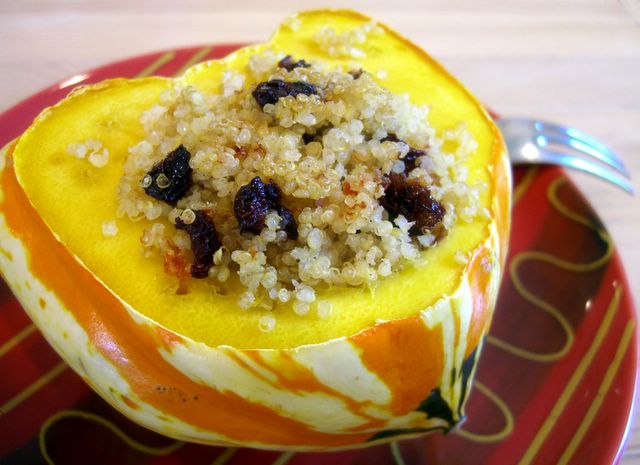
Winter Squash

The term “squash” refers to all members of the gourd family – a family that includes a large number of different vegetables. Squash are generally broken down into two types: summer squash and winter squash. Summer squash include zucchini and pattypan squash, squashes where the entire thing (except for the stem) is edible. Winter squashes have hard, inedible rinds and are much heartier, so they’ll keep for longer periods of time. Winter squash are a little intimidating to many cooks because they vary wildly in appearance and seem more mysterious when it comes to cooking them.

The winter squash that is the most easily recognizable is the bright orange pumpkin that is popular for Halloween carving. Varieties like butternut, acorn and spaghetti squash are also widely available in most stores. Farmers markets tend to carry more unusual squash varieties, as well. The flavor and texture will vary from squash to squash, but, in general, they tend to have a firm flesh that needs to be roasted or steamed to make it tender. They tend to be sweet, ranging from only slightly sweet to a honeyed sweet potato-like sweetness in some varieties. It can be fun to try a variety – even ones you’ve never heard of – just to see some of the differences and to find some new favorites.

I prefer to roast squash most of the time before I serve it, as it gets a nice richness and a bit of caramelization when cooked in the oven. Roasting a large butternut squash, for instance, will make your house smell amazing.   Squash can also easily be steamed in the microwave, by placing a cleaned, halved squash cut-side down on a microwave-safe plate and cooking it on high until it is tender.

What is a sugar pumpkin?

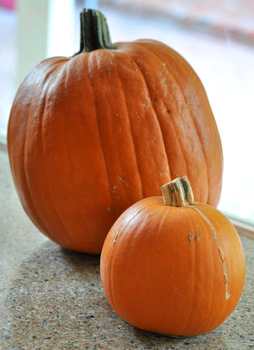
Sugar pumpkin and regular pumpkin
Alongside the big, decorative pumpkins typically used for making jack-o-lanterns around Halloween that they stock at most markets, you’ll also see smaller pumpkins with names like “sugar pumpkins” or “pie pumpkins.” Large pumpkins tend to have watery and stringy flesh, so they’re not a great choice for cooking with. Sugar pumpkins, on the other hand, are an excellent choice for cooking and baking applications. These smaller squashes have a firm, sweet flesh that is much smoother than that of larger pumpkins. They’re great for roasting, making soups and for making homemade pumpkin puree for pies, not just because they have a good pumpkin flavor, but also because their firmer and less stringy flesh roasts up to a much more pleasant consistency than that of a much larger pumpkin.

Sugar pumpkins are only about 6 to 8 inches in diameter and they will usually be labeled with “sugar pumpkin” or the name of another small variety of pumpkin, often with a note indicating that they’re the best choice for baking. From one pumpkin of this size, you’ll typically be able to get the same amount of puree that you do from a can of pumpkin (15-16 oz), or perhaps a little bit more.

Cook’s Illustrated reviews Canned Pumpkin

Canned Pumpkin
Pumpkin is a fall baking staple, and while you can certainly make your own puree at home with just a little bit of effort, it is far easier to stock up on canned pumpkin for your baking projects. Canned pumpkin is a very consistent and reliable product to work with and can give you great results in your recipes. Most recipes that call for pumpkin are formulated to use canned puree, and because homemade versions can vary somewhat in flavor and texture, they can occasionally throw a recipe off if you’re not aware of that. I do like to make homemade puree when I have an especially good pumpkin to work with, but I always have some of the canned stuff in my pantry so that I am ready to bake pumpkin pie on a moment’s notice. There are several brands of canned pumpkin out there and, like most products, there is some variation in flavor that can really impact your finished products. A few seasons ago, Cook’s Illustrated did a taste test on several brands of canned pumpkin to see which brand baked into the best pumpkin pie.

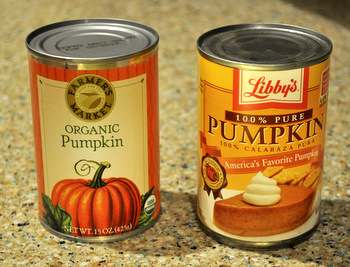
They tested Farmer’s Market Organic Canned Pumpkin, Libby’s Canned Pumpkin and One-Pie Canned Pumpkin. Libby’s Canned Pumpkin and One-Pie Canned Pumpkin were both taste-tester favorites, even though they had slightly different flavors. One Pie had a slightly “sharper” pumpkin flavor, while Libby’s was “creamy” and had more sweetness to it. The test kitchen didn’t recommend Farmer’s Market Organic Canned Pumpkin, which testers said had an unpleasant “chalky,” “vegetal” flavor to it. I bet that I’m not the only one who was surprised at the results of the test (given that I keep both brands in my pantry on a regular basis)! The full review is online (available without subscription until the end of the month), if you want to read through the test before stocking up on pumpkin the next time you’re at the store.

The CI test kitchen also mentions – and it is worth mentioning again regardless of your brand preference – that it is important to check the labels carefully when you’re buying canned pumpkin to ensure that you don’t buy pre-sweetened, pre-spiced pumpkin pie filling when you’re in the market for plain canned pumpkin for your baking.

How to roast a squash

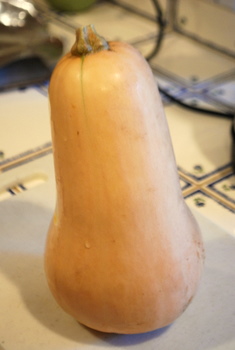
Whole Butternut Squash

Pumpkins and other firm winter squash can seem a bit daunting the first time you set out to cook one at home. This is largely because they’re a bit foreign looking when compared to other fruits and veggies, with an intimidating outer peel. Fortunately, they can actually be very easy to cook and once you’ve done it once, you’ll find yourself doing it again to enjoy the sweet, tender flesh of the gourd as a side dish with dinner.

To begin, take your squash (acorn, butternut, etc.) and wash it well. Then, trim off the top and bottom stems. Slice the squash down the middle carefully, using a very sharp knife, then use a spoon to scoop out the seeds and pulp. There is no need to remove the skin because the flesh will be so tender after roasting that you can scrape it off of the skin with a spoon, but this is the time to peel it if you prefer to cut your squash into chunks before roasting.

Place the squash on a lightly oiled sheet of aluminum paper or directly on a lightly greased baking sheet and slide it into a 375F oven. Cover loosely with a sheet of aluminum foil to keep the flesh tender and roast for 60-80 minutes. The timing will depend on how thick your squash was to begin with, so check it and make sure that it is fork-tender before you take it out of the oven regardless of baking time.

At this point, I brush mine with a little butter and salt (or butter, salt and maple syrup if I want something sweet) and serve it as is. The squash can also be pureed into a mashed potato-like dish or used in baking at this point, as well.

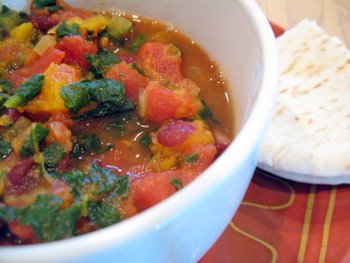
Roasted Butternut Squash

How to make your own pumpkin puree

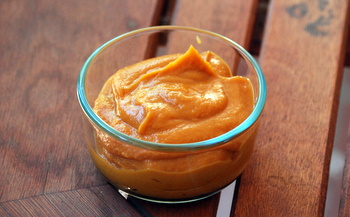
How to make your own pumpkin puree

Most recipes that call for pumpkin recommend using canned pumpkin puree. There are a variety of reasons for this, including the facts that pumpkin puree is relatively inexpensive, easy to find, convenient to use and very consistent in color, flavor and texture. Having a standard ingredient to recommend helps cookbook authors and recipe writers to help you achieve the desired results with their recipes. You can find both regular and organic pumpkin puree pretty easily these days at both regular and specialty markets. That said, it is also very possible to make your own pumpkin puree and this is a great option or those of us who like to eat squash and pumpkin on a regular basis.

First, start out with a whole pumpkin. It’s best not to have one too large, or it will be difficult to work with. Peel it, slice it open and seed it. Bring some water to a boil on the stovetop. Cut up the pumpkin flesh into chunks and drop it into the boiling water. Cool the pumpkin pieces until they’re tender, exactly the same way you would with potatoes.

Drain and cool the pumpkin pieces, then put them in the food processor. This is the only part where making your own gets tricky. Pumpkin can be fairly fibrous, and canned pumpkin puree is very smooth, so make sure that you process your pumpkin as much as possible. Sometimes, I add back a little bit of water to the puree so that I can process it more easily. I aim to get the consistency close to that of the canned puree (fairly thick, but not dry) so that I know it will work out in the recipes that call for it.

When I make it, I use pumpkin puree within a day or two of making it, storing it in the refrigerator in the meantime.

Visit Us On FacebookVisit Us On PinterestVisit Us On TwitterVisit Us On YoutubeCheck Our Feed