
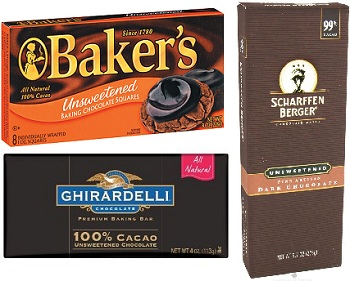
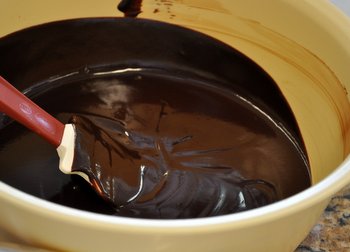
Unsweetened chocolate is chocolate in one of its simplest forms, a solid chocolate made with just cocoa solids and cocoa butter. The natural fat content of a cacao bean is 52-55%, which is typically the amount of fat (cocoa butter) found in unsweetened chocolate. The exact ratio of cocoa solids to cocoa butter will vary slightly from producer to producer, with smoother unsweetened or plain chocolates having slightly more cocoa butter in them. This mixture of cocoa solids and cocoa butter, when it is still liquid during the production of chocolate, is known as chocolate liquor. To produce other chocolates, this liquor can be mixed with milk solids, sugar, vanilla and other ingredients to create a wide range of milk and dark chocolates.
Unsweetened chocolate is not a popular choice for eating, since it has a very bitter taste to it, but it is a common ingredient when it comes to baking and cooking because it makes it easy to add a strong chocolate flavor to a recipe. It is less commonly seen today, as there is a wide range of quality dark chocolates to choose from (whereas a few decades ago the choices were slim), but it is still a staple in many pantries. Recipes like chocolate cakes, brownies and cookies will be where you are most likely to see unsweetened chocolate pop up, but occasionally they will also be used in ice creams and puddings where you can easily add extra sugar to sweeten the recipe to taste.
You can substitute unsweetened chocolate into a recipe for dark chocolate by slightly increasing the sugar in your recipe, although you will probably find that this is completely unnecessary if you are only adding in a small amount of chocolate. Similarly, you can substitute dark chocolate for unsweetened chocolate by reducing the sugar very slightly. You probably don’t want to substitute unsweetened chocolate for chocolate chips in any recipes where you get big pieces of chocolate, since the bitterness of unsweetened chocolate probably won’t give you the finished flavor profile you were looking for.

Dark chocolate is chocolate that is made primarily with sugar, cocoa and cocoa butter, and does not contain milk or milk solids. The amount of sugar, cocoa and cocoa butter can vary dramatically from brand to brand, but it is the lack of milk that really distinguishes dark chocolate from milk chocolate. Dark chocolates also often include vanilla and an emulsifier, to keep the chocolate as smooth as possible. In the US, there is not specific minimum cacao percentage for dark chocolate. Cacao percentage refers to the amount of cocoa solids in a product. Cocoa solids are all of the ingredients from a cocoa bean, including cocoa powder, cocoa butter, chocolate liquor. In Europe, the definition of dark chocolate specifics 35% cocoa solids. Premium dark chocolates have a higher cacao percentage and a higher price tag than less expensive dark chocolates.
Semisweet chocolate, bittersweet chocolate and extra dark chocolate are all names that have been created to describe different types of dark chocolate, but all three are dark chocolate. There are no strict definitions that divide these sub-types of dark chocolate. They are primarily inventions of chocolate manufacturers to make it easier for consumers to differentiate between dark chocolates with more intense flavor.
When a baking recipe calls for dark chocolate, you can typically use any type of dark chocolate and get good results from the recipe. Depending on the amount of chocolate called for in a given cake, brownie or cookie recipe, you will usually get the best results if you use a chocolate that you really like the flavor of.
While most baking recipes are not very sensitive to the amount of cocoa or cocoa butter in chocolate (i.e. to the Percent Cacao noted on the packaging), there are a few recipes that are. Lighter textured recipes, such as souffles and mousses, can have a dramatic change in texture from one chocolate to another and you should try to stick to dark chocolate with the cacao percentage that the recipe recommends, if it notes a specific type of chocolate. For instance, high cacao percent chocolates can create a much firmer mousse than a low cacao percent chocolate. Chocolate candy and bon bon recipes can also be strongly impacted by the cacao percentage of a chocolate, so if you are using chocolate to make truffles, take note of the brand you use and the texture of the finished product so that you can replicate the same treat if you liked it, or opt for another brand if you want a different texture or flavor.

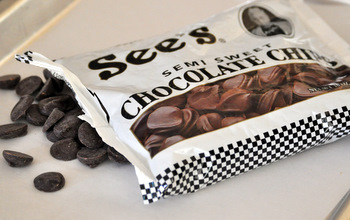
Semisweet chocolate chips are a standard ingredient in most bakers’ kitchens. They are the standard for baking chocolate chip cookies, one of the most popular homemade treats out there, as well as for many other baking applications. Semisweet chocolate is typically labeled as just that: semisweet chocolate. But as chocolate labeling gets more and more specific and consumers start to identify with cacao percentages rather than just names, that brings up the question of what exactly semisweet chocolate is.
Semisweet chocolate is dark chocolate, meaning that it is made with cocoa solids (cocoa butter and cocoa solids) and sugar, and typically includes vanilla and an emulsifier. There is no exact amount of sugar required to be called “semisweet,” but the name generally indicates that no more than 50% of the mass of the chocolate is sugar. This is opposed to “sweet” chocolates, where more than 50% of the mass of the product is sugar. “Sweet” chocolate is a pretty old fashioned term these days and only appears with a handful of products, such as German’s Sweet Chocolate.
The range of sweetness in semisweet chocolates is huge. Some brands are much sweeter than others, while some are much smoother. The same could be said of most dark chocolates. The thing that makes semisweet chocolate special is that it has a good balance of chocolate and sweetness that makes it exceptionally versatile and able to work well in just about all recipes, while milk chocolate can be too sweet and a very dark chocolate can overwhelm the more subtle flavors in a recipe.