
Archive for: pyrex

What kind of pie plate is the best?
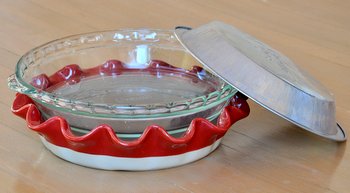
Pie plate stack
Pie plates are usually made of one of three materials: metal, ceramic or glass. Metal pie pans range from thin, disposable aluminum pans that might come with a store-bought graham cracker crust to heavy duty steel pans. Glass pie pans, which includes Pyrex brand plates, and ceramic pans are typically thicker and heavier than metal pans. There are so many pie plates to choose from, that many people find themselves wondering which plate is best for baking and which type they should stockĀ  their kitchens with.

Metal pans are lightweight, inexpensive and can last just about forever. They can, however, heat unevenly, so pies made with these plates sometimes have portions of crust that are more done than others. If they are made of aluminum, there is a chance that the fruit filling can react with the metal of the pan, giving the pie an off-flavor. Additionally, if you are using a very thin pan, you may have to reinforce the pan with a baking sheet or second pie plate, as it may not be strong enough to support the weight of a baked pie without bending. If you are opting for metal, a good quality steel pan is your best choice.

Pyrex or other glass pie plates retain heat and heat very efficiently, which means that they also distribute heat evenly and your pies will bake evenly in these. Since the pans are clear, it is very easy to visually check the pie crust for doneness – and you can adjust the baking time to give the pie more color. The bottom of the crust will also keep cooking for a few minutes after the pie comes out of the oven, which minimizes the risk of a soggy crust. The downside to a glass pan is that it can break if you drop it, especially if you’re working over a hard floor, it just isn’t worth the risk of all that cleanup to some cooks. Fortunately, these pans are quite durable and inexpensive, so if you are careful with your pans they will last you a very long time.

Ceramic pans are the most expensive type of pan, but are a favorite of many bakers. Ceramic offers the same heat-retention properties as glass, so your pie crusts will bake evenly. These pans also tend to be very pretty, with colorful finishes that make for a great presentation when you serve your pies. The only real downside is that, unlike the glass, you can’t see through the ceramic to check for crust color. Some ceramic pans are very thick and need a few extra minutes in the oven to get warmed up (like a pizza stone), which means that some recipes might have to be adjusted slightly depending on your pan.

In short, all of these pans will work to bake a pie, but as long as you are not worried about breaking your pans, glass and ceramic tend to perform a little bit better than most metal pans. I stick with pyrex and ceramic pans because I like the golden brown crusts that they reliably produce, and would recommend both to anyone looking for a new pie plate. The fact that you can see the crust cooking has always been a plus for me when it comes to pyrex, though I love the look of ceramic pans. If you want another look at pie plates, Cook’s Country has rated pie pans in the past and given top marks to both pyrex and ceramic pans, as well, with pyrex coming out on top thanks to its lower price point.

Consumer Reports notes increase in accidents involving glass bakeware

Glass bakeware

You might want to use a little extra caution the next time you pop a pyrex baking dish into the oven because Consumer Reports has noticed an uptick in the number of incidents involving exploding or unexpectedly shattering glass bakeware that have been reported recently. Not all of these incidents result in injury, but even if you don’t end up with a burn or a cut from a hot piece of glass, you could very well end up with an oven full of shards.

Pyrex and other glass bakeware is traditionally made of borosilicate, a type heat resistant glass that is fantastic for baking because it can easily withstand the high temperatures of the oven without breaking or cracking. This type of bakeware is even strong enough to hold up to sudden, sharp temperature changes. So why are some of them shattering unexpectedly when put into the oven or another high heat environment?

At some point, makers of glass bakeware, especially in the United States, switched from using borosilicate to using soda lime glass, which is less expensive to produce. Pyrex manufacturers in Europe still use borosilicate and any glass pans that you inherited from your parents or grandparents are made of borosilicate. Soda lime glass can more impact-resistant than borosilicate is, but it is not as resistant to heat or abrupt temperature changes as borosilicate is. Manufacturers World Kitchen and Anchor Hocking state that they put their soda lime glass through a thorough thermal tempering process to maximize its strength, but most of the reported incidents are from their products (not that surprising, since they produce about 75% of the glass bakeware in the US) and many of the incidents involved spontaneous breakage, rather than misuse or exposure to unusual conditions.

Consumer Reports put together a great video that shows the difference between borosilicate and soda lime glass. Glass bakeware is still safe to use, but if you have older pieces they are probably stronger and much less likely to shatter under normal use conditions.

Visit Us On FacebookVisit Us On PinterestVisit Us On TwitterVisit Us On YoutubeCheck Our Feed