Archive for: pudding

Almost Instant Vanilla Pudding

Almost Instant Vanilla Pudding
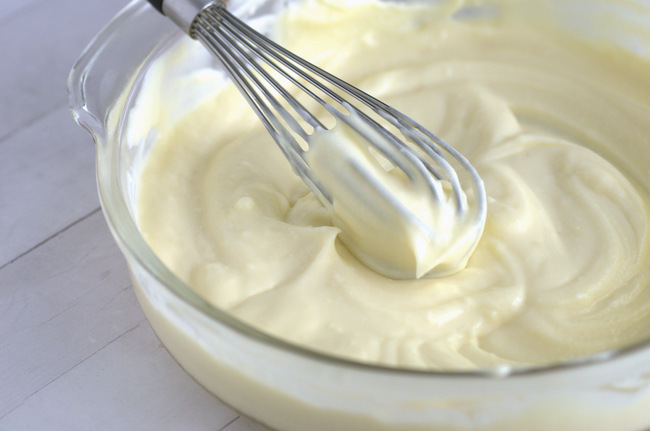
There is a reason that Jell-o instant pudding is so popular, and that is the fact that you can make it in about an instant. The pudding mix magically thickens cold milk when the two are combined and you can ave pudding in seconds with no cooking required. The secret to instant pudding is a modified corn starch that doesn’t need heat to thicken. You can buy something like it to make your own facsimile for instant pudding, but my homemade Almost Instant Vanilla Pudding doesn’t require any unusual ingredients and takes only a little longer than the instant stuff to make.

The pudding is thickened with cornstarch, but using an unusual method. Instead of adding the cornstarch to the milk mixture while it is on the stove – which can lead to a lumpy pudding if you have uneven heat on your saucepan – a hot milk mixture is poured over the cornstarch (which is mixed with a little cold milk in advance to ensure that it incorporates smoothly). I used a similar method for butterscotch pudding and it really works – and makes the pudding-making process seem a whole lot faster.

From start to finish, I would say that you could finish this off in about 5 minutes and while that doesn’t qualify as “instant,” it certainly is a quick way to satisfy a comfort food craving. Vanilla pudding happens to be my favorite flavor, so I flavored mine with some organic vanilla extract. If you want to fancy your pudding up, you could scrape a vanilla bean into the milk mixture before boiling it to infuse it with flavor and give your almost instant pudding an elegant, vanilla-flecked look.

+Continue Reading

Butterscotch Budino

Butterscotch Budino
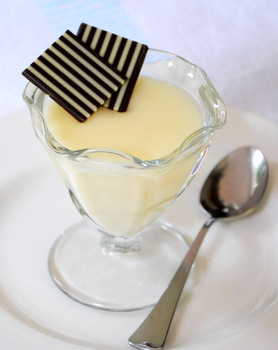
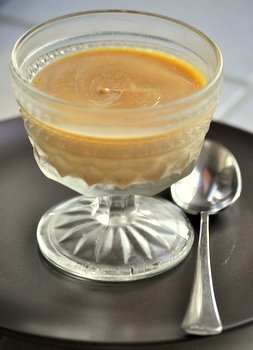
Butterscotch pudding is a classic recipe, a flavor that is probably right behind vanilla and chocolate in terms of popularity. Butterscotch pudding sounds a little more grown up if you call it Butterscotch Budino instead. Budino is the Italian word for custard or pudding, and it is showing up on more and more restaurant menus as a sophisticated dessert option (and I’ve seen quite a few of the butterscotch variety). The fact of the matter is that pudding, no matter what you call it, is comfort food and sometimes it is best made at home – even if you do dress it up a bit by giving it a new name.

The budino starts with a brown sugar and butter caramel sauce, which gives it that distinctive butterscotch flavor. The caramel is enriched with milk and cream, then thickened with eggs and a little cornstarch. The result is a pudding that is sweet and satisfying, but not too cloying or heavy. It is still comfort food, but it has a lightness to it that you won’t find in just any old  butterscotch pudding recipe. I like it plain, but it is just as good when topped with a little whipped cream or a drizzle of caramel sauce.

The method I used making this budino is a little different from other puddings I’ve made. I used the technique described in a recent issue of Cook’s Illustrated, in their Best Butterscotch Pudding recipe. The technique involved pouring the boiling hot milk-caramel base of the pudding into a cornstarch and egg mixture in a large bowl, and whisking the two components together off the heat. The test kitchen said that it would thicken instantly and eliminate the need to strain the pudding because it would be silky smooth when finished. I found the technique to work just as advertised, and you don’t need to worry about tempering your eggs, either.

The most difficult part of making butterscotch is creating the caramel. Since the caramel is made with brown sugar, it can be very difficult to see the color change in the caramel as it cooks, unlike in caramels made with white sugar. It is best to use a candy thermometer if you want to ensure that you get consistent results and the best flavor out of your pudding. You can’t rely on a cooking time alone, although I do give a range in the recipe, because different pots and different stovetops will cook the caramel a little faster or slower.

+Continue Reading

Vanilla Bean Pudding

Vanilla Bean Pudding

There is something very comforting about about a bowl of homemade vanilla pudding. I ate it all the time as a kid – usually made from a handy box of pudding mix, which I could easily make myself – and still enjoy the way a bowl of pudding will bring a little happiness into my day now. These days, of course, I make my vanilla pudding from scratch, which makes it a little more satisfying over all. It is easy to make and requires just a few ingredients. From start to finish the pudding takes about 15 minutes to make, then you’re ready to eat a bowl of creamy, smooth and very vanilla-y pudding.

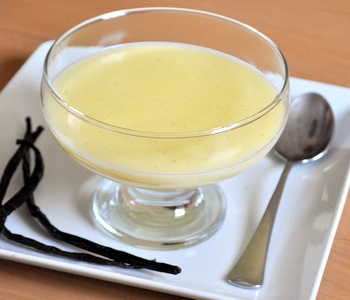
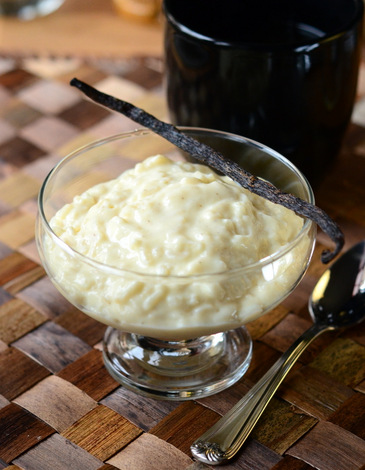
I give this homemade pudding an extra vanilla boost by using a vanilla bean for flavor, rather than relying on vanilla extract. I first infuse the milk with the bean and then scrape the seeds into the pudding mixture. You get a great vanilla flavor and capture some of the floral notes of the vanilla bean by doing this, and it doesn’t take any more time than stirring in vanilla extract (which does still make a good pudding if you don’t have whole beans). I also tend to use whole milk when making this pudding, as it gives the finished custard a thicker, richer consistency. The recipe will work just as well with low fat milk, but if you are using low fat milk and prefer your pudding on the thick side, add an extra 1/2 tbsp or so of cornstarch for extra thickening power.

Once your pudding is finished, you can eat it warm or serve it chilled. It is more delicate (i.e. less thick) and custard-like than some puddings, but it will be slightly thicker after it has been completely chilled. If you like the “skin,” leave your pudding uncovered as it cools. If you prefer skin-less pudding, press a piece of plastic wrap onto the surface of each of your pudding cups and leave it there as they cool.

+Continue Reading

Classic Butterscotch Pudding

Classic Butterscotch Pudding
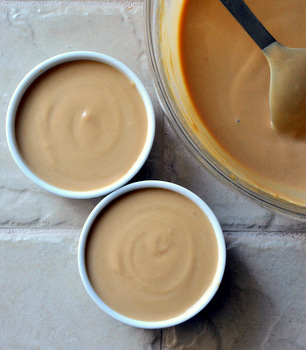
When I was a kid, I never really had butterscotch pudding. I liked vanilla and chocolate puddings and often campaigned to see pudding cups in the fridge or in my lunch. Butterscotch puddings seemed overly sweet, even to me, when I had them so it just wasn’t a go-to flavor for me. That said, the first time I had homemade butterscotch pudding, I was a convert. Silky smooth and not too sweet in spite of its rich brown sugar flavor, homemade butterscotch pudding had me hooked from the first bite.

This is my version of Classic Butterscotch Pudding, a recipe I’ve been making in one form or another for years now. It gets its butterscotch flavor from dark brown sugar and a small amount of butter that is added to it. There isn’t enough butter to make the pudding taste buttery, but there is enough to ensure a clear butterscotch flavor. The finished pudding is not too sweet and it has a very good balance of brown sugar, dairy and vanilla that makes it quite addictive. Fortunately, since the pudding is neither too sweet nor too heavy, there is nothing wrong with giving into the addiction and having a second serving. Dark brown sugar is going to give you the best finished product and the richest butterscotch flavor. That said, golden brown sugar and even light brown sugar will still work well and produce a tasty pudding.

I also really like the consistency of this pudding. It is not too thick and not too thin, but a silky smooth medium somewhere in between. If you do like your pudding on the thicker side, add an extra 1/2 tbsp cornstarch to thicken it up a bit more. When I make pudding, I’ll use any kind of milk I have in the fridge, whether it is whole or skim milk. Whole milk will always make a slightly richer pudding, but skim milk will actually work out just fine if that is all you have. I recommend using whole milk or at least reduced fat for a pudding that has the best balance and as creamy a texture as possible.

+Continue Reading

Blueberry Summer Puddings

Blueberry Summer Pudding
In the US, I would venture to guess that most people think about pies made with summer fruits before they start to think about puddings with them. Summer puddings are a great way to make use of fresh berries, and while I will admit that I still won’t turn down a slice of pie, a pudding is an easy dessert well worth keeping on hand.

I like to think of summer puddings as no-bake bread puddings. Summer pudding is a traditional British dessert that is made by layering slices of white bread with berries and syrup or juice. The dessert is created in a dish, pressed down tightly to help the bread absorb all that liquid, and then chilled until ready to serve. The result is a fresh-tasting and flavorful dessert that isn’t too sweet, showcases your berries and is perfect for serving with loads of whipped cream.

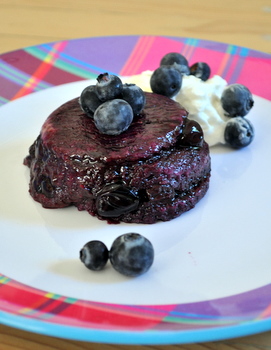
You can really use any kind of berries – including frozen – in a summer pudding, but since the whole point is to take advantage of fresh berries, I’d recommend saving this recipe for summertime. I used all blueberries to make this pudding, cooking them in a bit of sugar to ensure that they were sweet before layering them with the bread rounds. White bread tends to give the best result because it is so tender, but I’ve used brioche and challah in puddings with good results, too. Since these are individual puddings, use a cookie or biscuit cutter that is about the same size around as your ramekins/serving dishes to cut the bread into slices for layering.

The pudding is moist, tender and fruity. It is also very light – and very low in fat compared to shortcakes and pies. The puddings will keep well in your refrigerator for two or three days if you want to make these ahead of serving time, or if you simply want to make a batch to enjoy over a couple of days yourself. The recipe doubles and triples easily, and if you have any leftover berries, you can always save the syrup and pour it onto ice cream or pancakes to use it up.
+Continue Reading

Visit Us On FacebookVisit Us On PinterestVisit Us On TwitterVisit Us On YoutubeCheck Our Feed