Archive for: lemon

Refreshing isn’t a word that you often associate with cupcakes, but these Lemon Lime Cupcakes definitely have a refreshing element to them. The cupcakes are bright with both fresh lemon and lime zest, and have a lemon lime buttercream on top. It is sweet, light and surprisingly palate cleansing, for a cupcake. They’re quite different from most cupcakes, as the combination of lemon and lime doesn’t show up that often in cupcake form, and that also makes them a very nice change of pace for those of you getting bored with chocolate and vanilla.
The cake for these cupcakes is very moist and tender, with a soft, tight crumb. The lemon lime flavor comes from fresh zest that is grated into the cupcake batter. Zest – the colored, outer portion of a citrus fruit – is extremely flavorful because that is where all of the intense citrus oils are. . I used one large lemon and one large lime to get enough zest for one batch of cupcakes, but you might want to have an extra lime on hand in case yours turn out to be a bit small. A microplane is the perfect tool for easily zesting your fruit. Don’t skimp on the zest when making these to get the best lemon-lime flavor in the finished cakes – and if you have to cut back, you can boost the flavor with some lemon or lime oil, which you can buy bottled.
The cupcakes are topped with a lemon lime buttercream, where I used the juice from the fruits I zested for the cake to give the frosting a bright citrus flavor. The lemon and lime juice blend well together, and this frosting is one that you could easily use to make a batch of yellow or vanilla cupcakes more exciting. If you find that you don’t have quite enough juice from your zested lemon and lime, and you don’t have any more fruit on hand, you can add a little bit of water to the frosting to make up the difference.

+Continue Reading

My Sugar Donut Muffins are always a favorite when I bake a batch. They’re tasty plain, but they’re also a good base for donut-like variations. For instance, you could fill them with preserves to make jelly donut muffins or with lemon curd to make these Mini Lemon Donut Muffins with Lemon Curd.
These mini muffins have a buttermilk and lemon cake base and are baked in mini muffin pans to produce bite-sized treats. The muffins are dipped in butter and rolled in sugar just after baking to give them a slightly crisp, sugary exterior that is reminiscent of the exterior of a deep fried donut. They’re fluffy and tender, and the cake itself is not too sweet, which means that their sugary exterior balances well with the cake. After baking, I piped a little bit of lemon curd into the center of the muffins for a spring twist.
I make my own lemon curd for the filling of these muffins, usually using a recipe for Lower Fat Lemon Curd to keep in the spirit of lightness with the baked donuts (and because it is delicious). Store bought lemon curd can be used if you don’t want to make your own. Similarly, I used fresh lemon zest in the muffin batter, but you could use lemon oil or lemon extract in place of the vanilla extract if you don’t have a lemon on hand to zest. Fresh zest and homemade curd are going to take your muffins over the top, but these are tasty, lemony treats no matter how you put them together.
This recipe could also be made into regular sized muffins for a larger treat. Follow the directions for the full sized Sugar Donut Muffins for baking times and fill them with lemon curd after baking.
+Continue Reading

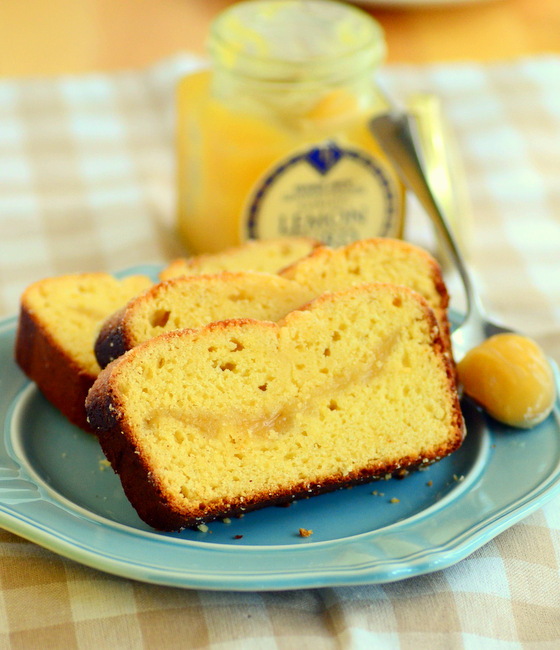
Soda bread – or Irish soda bread – is an easy to make quickbread that uses baking soda as a leavening agent. What makes it different from other quickbreads is that soda bread dough is very firm and the bread is generally baked in a free-form loaf, much like yeasted breads are. The bread is very easy to make, so you can have a fresh loaf baked and ready to eat in only a few minutes, and it is easy to put your own spin on the basic recipe by adding other flavorful ingredients. A plain soda bread might contain caraway seeds or raisins. This Lemon and Walnut Soda Bread is a citrusy twist on the basic recipe, with a light lemon flavor and subtle sweetness to it.
Lemon and buttermilk is a combination that I often use in springtime baking, both in cakes and bars, and that same combination makes this loaf seem perfect for a springtime brunch. I used both lemon zest and strips of candied lemon peel to give this bread its lemon flavor. The candied peel has a sweeter, more concentrated flavor than the zest alone does and is a nice addition for lemon-lovers (although you can skip it in favor of more zest if you don’t want to make candied peel for this recipe). Walnuts have a buttery, slightly citrusy flavor that makes them a good match for the lemon in this recipe. I use untoasted walnuts, chop them into fairly large pieces and stir them in. Pecans will also work if you prefer them, and you can omit the nuts completely if you want to serve your bread as a plain lemon loaf.
This soda bread is slightly sweeter (although not very sweet) than many other soda breads and stands well on its own, or served with butter and honey. If you want to add a little extra sweetness, add a generous sprinkle of sugar to the top of the loaf before baking to give it a nice, sweet crust.
+Continue Reading

Candied citrus peels have a lot of flavor in a little, sugary package and they’re a lovely treat to make after you’ve just juiced a lot of citrus fruit because they make good use of all those orange and lemon rinds. You can candy any kind of citrus fruit, but one of my favorites is lemon because it has a bright flavor and goes well with all kinds of recipes.
I use a paring knife to cut the skin off of the lemon, getting only a small amount of the pith (the white part beneath the skin) and try to keep the peels at a uniform thickness, even if they are unevenly shaped. I then cut each large strip into several smaller strips before candying. Candied orange peels are typically cut into uniform strips and are often served as a candy in their own right. I rarely see this with candied lemon peel. And while I like to snack on them when I make them, I don’t typically serve them on their own, either. As a result, I am a lot more casual about slicing my peels before candying. There is a lot of variation in the size and shape of my candied lemon peels, though I try to keep the thickness uniform, and they turn out just fine.
Once your peels are cut, the next step in candying lemon peels is to blanch the rind to remove any bitterness. Some recipes advise you to do this up to three times, changing the water and blanching again. I tend to only do this step once. I use organic lemons and meyer lemons and don’t find them to be too bitter, even with a small amount of pith still on the rind. So, I feel that this is a matter of personal preference and you can blanch your rinds up to two more times if you prefer when you try this recipe at home.
The peels are then cooked in a sugar syrup until they are tender and well-infused with sugar. The peels are dried, then rolled in more sugar to give them a crisp finish. The peels store very well and, once they are completely dry, they can be stored in an airtight container for up to several weeks. They can also be incorporated into other recipes or used as a garnish for desserts.
And don’t forget to save the leftover sugar syrup when making this recipe. It is very sweet and has a terrific lemon flavor, so it can be used to sweeten drinks or make a big batch of lemonade!
+Continue Reading

Citrus is in season and the trees – here in Southern California, at least – are bursting with oranges, lemons, grapefruits, limes and other sweet, tangy citrus. Not only do I squeeze oranges to make juice for breakfast, but I find myself making lemonade and lemon bars, generously squeezing limes onto homemade tacos and into all manner of baked goods. The zest from these fruits also makes a regular appearance in my recipes. This Citrus Lover’s Bundt Cake is a cake for anyone who also loves all kinds of citrus fruits because it uses orange, lemon and lime all in one delicious dessert.
Lemon, lime and orange juice are all incorporated into this cake, as well as the zest of all three fruits. They blend together and give the cake an overall citrus flavor, without one fruit dominating the rest. The result is a cake that is tasty and surprisingly complex. The cake has a moist, soft texture and a fluffy crumb, so it’s not too heavy and is a great snacking cake to keep around the kitchen – although it is elegant enough to serve at a brunch or dinner party, as well. The fancier your bundt pan is, the fancier your cake will be. I used my Heritage Bundt Pan for this particular cake.
Freshly squeezed fruit juice is the key to a great cake with this recipe. You’re going to get the most vibrant flavors in both the cake and the glaze with fresh lemons, limes and oranges. You can, in a pinch, use pre-squeezed juice, but try to get the freshest you can and get at least a few fruits for the zest, as that will really punch up the flavor in the cake. I used orange and lemon zest in the cake, where I wanted to make sure that their flavors stood out, but saved the zestier lime zest for the glaze, where it added a little extra brightness without dominating the other flavors. If you want to highlight one fruit over the others, use only that fruit’s juice in the glaze (just orange or lime, for instance), as that will add a nice overlay of that flavor to the whole cake.
+Continue Reading