
Archive for: eggs

How to pasteurize eggs at home

Pasteurized Eggs
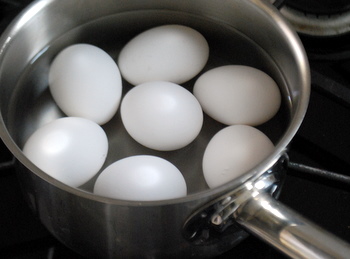
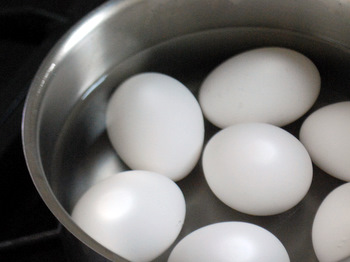
When recipes call for uncooked eggs, many cooks shy away from them. There is good reason for this, of course, since there is a small chance that raw eggs contain salmonella. This is a very small risk to begin with, and few recipes call for uncooked eggs (mayonnaise and some mousses, just to name a few), but you can always pasteurize your eggs to ensure that they are absolutely safe to use even when they are uncooked.

Pasteurized eggs are eggs that are cooked briefly at a high temperature and then cooled. The yolk must reach a temperature of about 138F. Eggs scramble at a much higher temperature, so it is possible to heat the yolk to pasteurize it without cooking the egg. The eggs still have the consistency of raw eggs (and can be used just like them in any recipe) but microbial growth of harmful bacteria is slowed or eliminated. You can buy pasteurized eggs at some markets, but they’re usually difficult to find and expensive. I tend to pasteurize a few eggs at a time before I use them but if you have a feeling you’ll need a lot, you can do it when you first bring eggs home from the market. You can store the pasteurized eggs in the refrigerator (as you would with regular eggs) and not worry about them again.
+Continue Reading

How to bring eggs to room temperature

Eggs in a bowl
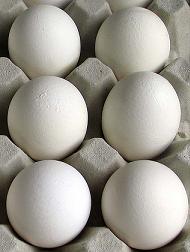
Many recipes call for room temperature or softened butter because it is easier to incorporate into a cake batter or cookie dough than rock hard, cold butter is. The same is true of eggs, even though most recipes don’t specifically call for eggs to be at room temperature. Refrigeration keeps eggs fresher for a much longer period of time than storing them at room temperature, but they will blend into recipes much more easily if you take the time to take the chill off of them before using them. Eggs at room temperature will have more “relaxed” whites that take on more volume when beaten and break up more easily when whisked into a batter. Cold eggs can actually cause the butter you carefully softened to firm up and give a batter a slightly curdled appearance (although it is usually just fine to keep going with a recipe when that happens).

To bring eggs to room temperature, you can take them out of the refrigerator about 30 minutes before you plan to use them (around the time that you might take your butter out of the fridge) and leave them on the countertop. If the eggs sit out longer than that, it won’t hurt them in terms of how they act in the recipe, but they will have “aged” compared to eggs that have been kept only in the refrigerator.

If you forget to take your eggs out of the refrigerator, you can warm them up very quickly by placing them in a bowl full of warm water. Just 5 or 10 minutes in a bowl full of warm water – hot water may cause the egg shells to crack – will take the chill off of your eggs.

Recipes that call for egg whites alone often call for them to be at room temperature. Eggs are, however, much easier to separate when they are cold. To warm up just your egg whites or egg yolks, separate the eggs when cold and place the whites and yolks in small bowls. Place these bowls into slightly larger bowls full of warm water and allow them to sit for 5-10 minutes (or simply let them sit, covered, at room temperature for 30-60 minutes before using). Leftover egg whites or egg yolks can be stored for later use.

Homemade French Vanilla Ice Cream

French Vanilla

Creme anglaise is a classic French custard sauce made with egg yolks, sugar and milk or cream (as well as vanilla for flavoring) that is cooked until just thickened. This sauce can be served on its own as a dessert accompaniment, alongside fruit or cake, but it can also be put to other uses and one of the very best is when you put it into an ice cream maker and turn it into ice cream. This type of ice cream is often termed “French vanilla” and stands apart from other vanilla ice creams because of its rich custard flavor and high egg yolk content. Homemade ice cream starting with a true creme anglaise base is one of the best ice creams you can eat.

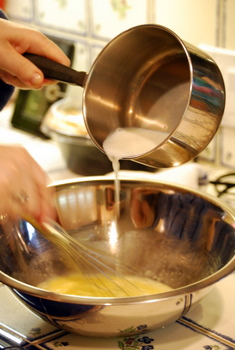
Creme anglaise itself is not difficult to make. A combination of egg yolks and sugar is tempered with hot milk, and the mixture is cooked in a double boiler until thickened enough to coat the back of a spoon. You can make your own double boiler easily with a bowl and a small saucepan, and using one will prevent your custard from overcooking while you thicken it. I typically infuse the milk with a vanilla bean and scape the seeds into it before adding it to the rest of the ingredients for a strong vanilla flavor, but you can substitute vanilla extract by simply whisking it into the finished creme anglaise just before cooling.

You really do need an ice cream maker for the best results with this recipe (although you can certainly make the creme anglaise, chill it and enjoy it on its own!) because an ice cream maker will allow you to achieve a very smooth ice cream. This ice cream has a delicious, rich vanilla flavor and a fantastic texture. Unlike ice creams that are made with less fat (using fewer/no egg yolks), this ice cream is always scoopable and creamy – even straight out of the freezer. It is best served in small portions, but that just makes the enjoyment last longer.
+Continue Reading

Are recalled eggs safe to bake with?

Eggs

The egg recall is still going strong, with over 550 million eggs recalled so far. If you happen to have some eggs that were explicitly listed in the recall, you can simply return them to the store for some new eggs. But if you’re concerned that other eggs might have been affected and not discovered yet (as many people are), does that mean that you have to stop buying eggs, or only seek out small, local farmers whose eggs are probably ok? The answer is no, although looking for local farmers to supply your produce and other groceries is never a bad idea, because thoroughly cooking eggs makes them completely safe to eat.

I’ve seen several ads from the Egg Council reminding people that the whites and yolks of their eggs should be firm and fully cooked before eating. This makes it sound a bit like you should only eat fried eggs or hard boiled eggs, when in fact baking also results in fully cooked eggs. That means that, while you might not want to eat the raw batter, you can use eggs without fear in recipes like chocolate chip cookies, brownies and cakes. The time in the oven will fully cook the eggs in the batter and it is safe to bake even with recalled eggs.

That said, I would of course recommend returning any eggs that have definitely been recalled to the store you bought them from. If you’re still concerned about other eggs during the recall, you have a couple of other options, as well. The first is to use eggs that are pasteurized in the shell, like Davidson’s Eggs, which can be found at specialty markets. The second is to turn to recipes that don’t use eggs temporarily. And, of course, you’ll want to wash your hands thoroughly after handling both egg shells and egg whites/yolks.

How to bake without eggs

The majority of baking recipes, apart from breads, involve eggs in addition to ingredients like flour, sugar, butter and leavening. Eggs are crucial parts of many recipes, but with the big egg recall going on, you might want to consider some options for egg free baking. Cooking eggs thoroughly and washing your hands when handling eggs should drastically reduce your odds of having a food safety problem at home. That said, it is always good to have options if you don’t want to use eggs for a while or want to do some baking and just noticed that your last dozen is part of the recall.

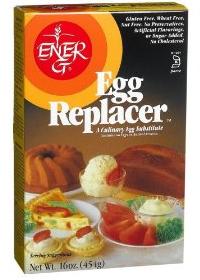
Eggs act as binders, thickeners and as leavening agents in recipes like cakes and cookies. They do a lot, so taking eggs out of a dish is not as simple as just omitting them from a recipe as written – especially if that recipe calls for more than one egg. You can substitute your eggs with an egg replacer, a common vegan baking technique that calls for using a mixture of ingredients to mimic the function of eggs (like adding 1 tbsp of cornstarch or potato starch mixed with 1 tbsp water), which works fairly well in many cookie and quickbread recipes, especially when just substituting one egg. Another easy thing to do is to simply choose recipes that don’t use eggs in the first place and start baking them while you wait for the recall to pass.

There are plenty of cookie recipes that don’t use eggs to begin with. Shortbread is a great example, and there are many variations on the classic shortbread to try. Many chocolate chip cookies will work well with the egg replacer suggested above.

There is a popular eggless chocolate cake recipe that started out as a war-time recipe when eggs were scarce. Often called Wacky Cake, this egg-free type of chocolate cake calls for vinegar, which reacts with baking soda in the cake batter to give the cake plenty of lift for a tender, rich-tasting cake. You can use this technique in a Chocolate Bundt Cake, a Chocolate Layer Cake or even in Chocolate Cupcakes. You won’t have a problem coming up with a frosting that is egg free to top them off with! Chocolate Pudding Cake is a completely different type of chocolate cake that also uses no eggs.

And since we’re on the subject of eggless baking, don’t forget that most pie recipes don’t use any eggs in the first place and are great choices for egg-free baking. The same goes for tart recipes, like this Cream Cheese Key Lime Pie, and Tarte Tatin.