Archive for: cinnamon

Cinnamon Toast Ice Cream

Cinnamon Toast Ice Cream
A slice of crispy buttered toast topped with a sweet layer of cinnamon sugar is a simple, but delicious treat. It’s an easy breakfast favorite, although I’ve been known to have a slice after dinner with a cup of tea if I have some good toasting bread on hand and can’t wait for the morning. To capture these flavors in a more distinctly dessert form, I turned my toast into Cinnamon Toast Ice Cream. This ice cream perfectly captures the flavor of buttered cinnamon toast (sans bread) in a creamy frozen form.

The secret to this ice cream is using browned butter to give it a buttery toast flavor (otherwise it would just be ice cream with cinnamon and vanilla). A small amount of butter is cooked and browned first, then sugar and the other ice cream ingredients are added to it to create the ice cream base. I keep things simply by using ground cinnamon – just like I do on my toast – and vanilla extract in this recipe. The base should be completely chilled before churning.

This ice cream is very creamy and rich tasting thanks to the brown butter in the recipe. You will get the best results with this recipe if you churn it in an ice cream maker, no matter which kind you have. The dry ice method works well and is a fun option if you don’t have an ice cream maker. If you’re a fan of cinnamon toast in the mornings, this ice cream will definitely be a hit with you and you’ll find that it’s just as addicting as that classic, simple toast.

+Continue Reading

No-Knead Whole Wheat Cinnamon Blueberry Bread

No-Knead Whole Wheat Cinnamon Blueberry Bread
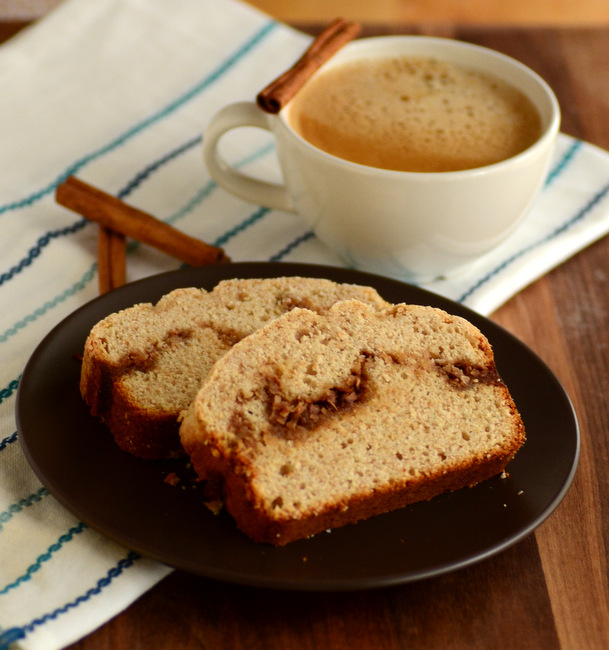
My No Knead Whole Wheat Honey Sandwich Bread is one of those recipes that you just might find yourself making over and over, because it is so fast and easy – especially for a yeast bread recipe – and it makes a great all purpose loaf of bread for sandwiches and toast. The loaf is also fairly plain, which makes it a great base for variations. With a little cinnamon, a little brown sugar and a generous amount of dried blueberries, I turned this sandwich bread into one that makes excellent french toast.

No-Knead Whole Wheat Cinnamon Blueberry Bread starts out with a mixture of whole wheat flour and bread flour. The flours are heated slightly before being incorporated into the the dough, which helps the loaf to rise faster and make it into the oven more quickly. The dough can be mixed by hand, but I tend to whip it up in my stand mixer, so it really tasks very little time to put together. The whole wheat flour gives the bread a very nutty flavor and a slightly coarser crumb than all purpose or bread flour would. The slightly airier texture of the finished bread makes this perfect for soaking up an eggy french toast batter or lots of butter after toasting. It doesn’t have the sweetness of a cinnamon swirl bread, which often has additional sugar added when making the swirl, but it still has plenty of flavor from the cinnamon and all of those blueberries.

Dried blueberries make a nice change from raisins in this bread dough, adding a sweet and fruity flavor to the loaf. The berries plump up nicely during baking, too. If you have raisins or currants, you could easily substitute those into this recipe or use them in a mixture with some blueberries. Dried cranberries could be subbed in in the fall and winter for a tangier note in cooler weather. This bread slices easily and makes great toast, especially if you finish it off with butter and cinnamon sugar. If you end up taking the french toast route with your finished loaf, pick up some fresh blueberries and make a nice compote to top off your breakfast!

+Continue Reading

CI taste tests ground cinnamon

CI taste tests ground cinnamon

At one time, you could search for cinnamon on the spice aisle at the grocery store and see just a plainly market bottle staring back at you. No country of origin listed, no special variety mentioned. In most stores these days, the selection looks quite a bit different, with various brands and types of cinnamon to choose from.  Is there a difference between the brand that goes for $.75 per oz. and $8 per oz.? And is it worth tracking down the fancier spices even if you need to go to a mail-order catalog to do so?

In the latest issue of Cook’s Illustrated (Nov/Dec 2009), the test kitchen set out to answer these questions with a lot of cinnamon and a panel of taste-testers. Cinnamons were rated by heat, complexity and texture, in fairly plain applications (mixed into applesauce) and in baked goods. By the end of the experiment, the tasters determined that there was a clear difference in spice from brand to brand. The favorite cinnamons – which did tend towards the expensive – had complex flavors that came through distinctly even in baked goods. The “recommended with reservations” cinnamons were milder and less likely to stand out on their own in a cookie recipe. Favorites included Penzey’s Extra Fancy Vietnamese Cassia Cinnamon, Durkee Ground Cinnamon and Smith And Truslow Organic Cinnamon. The “recommended with reservations” cinnamons included many easy to find store brands, like Spice Islands Saigon Cinnamon, McCormick Gourmet Saigon Cinnamon and McCormick Ground Cinnamon.

In all cases, the freshest cinnamons performed the best. Often, these were the mail-order spices which weren’t sitting around in storage at a grocery store. You can  still get the most out of your cinnamon no matter which brand you use by replacing your jar (if you don’t go through it quickly, which I tend to do) at least once each year.

Cinnamon Muffins

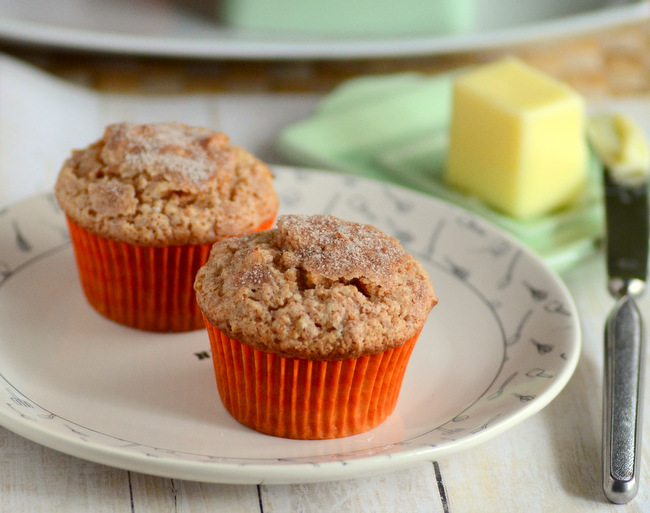
I am always tempted to add something to muffins, whether it is fresh fruit, dried fruit or some sort of other tasty tidbit. I resisted temptation when making this muffin to keep it as simple as possible. And it turned out well.

Don’t get me wrong, I love fruit in my muffins. The problem is that sometimes we get into ruts with that we make. For example, I have put blueberries (fresh or dried) into almost every single batch of muffins that I have made in the last few weeks. It’s nice to do something to break up the monotony, if for no other reason than to avoid getting tired of a favorite flavor. Cinnamon also happens to be a favorite of mine, though I don’t use it enough as a stand-alone spice. I tend to add a pinch here and there, using it as an accent.

These muffins were very cinnamony and I loved that about them. The flavor actually reminded me a great deal of the cereal Cinnamon Toast Crunch and the crumb was light and even. I’m glad that I resisted the impulse to add anything else into the batter, letting the cinnamon shine, but these would be good with a few chopped walnuts (if you like nuts) or perhaps even dried cranberries…

Though they resemble coffee cakes, they don’t have the same buttery crumb. I personally find this to be a nice feature in a muffin, since I don’t want something loaded with tons of butter for my daily breakfast. To change the cinnamon-sugar mixture into a crumb topping, simply stir in 1 tablespoon of very soft butter into the mix before using it.

Oh – there is one more thing to note about this recipe. I only made 11 muffins and not 12. There are two reasons for this. First of all, if you add 1/2-1 cup of nuts, chocolate chips, chopped banana pieces, etc, you will need that extra cup to use the extra batter. Second, the muffins will be puffier, with prettier tops if you make only 11.

+Continue Reading

Cinnamon Chocolate Chip Bakery-Style Muffins

There are a few tricks to baking a bakery style muffin. By “bakery style muffin” I mean a muffin that has a slight crispness to its muffin top, is moist and fluffy inside and is exactly halfway between being coarse and being cake-like. Most importantly, a bakery style muffin has a big, domed top taking up about 50% of the muffin. Kelli, from Lovescool, and I have been pondering the all important question of how to achieve this.

The main thing in achieving a stable, domed rise is to have a thick batter leavened with baking powder. Yogurt is what makes the batter so thick in this recipe. Baking powder will give the muffin plenty of verticle lift, while a muffin leavened only with baking soda would spread a bit, tending to have a flatter top. Overfilling the muffin tins, by which I actually mean coming up to the top of the tin or slightly higher with the batter, will let these muffins have a nice crisp ledge, like a bakery muffin. You can see that I didn’t overfill mine quite enough; the ledge is quite small in the photo.

Moisture comes from butter, sugar and eggs. The editors of The Best Recipe, which this recipe is taken from, tested the exact amounts of butter and sugar to perfect (in their opinion) this muffin. I increased the sugar from “One cup minus one tablespoon” to “one cup” because it’s simpler. Having only one cup of sugar in this recipe prevents the muffins from being too sweet and cakelike or taking focus away from the flavors in the muffin. The creaming method ensures a tight and fluffy interior crumb in these.

The muffins turned out exactly as promised: domed, beautiful and very bakery-like. They tasted great, with a firmer edge and moist interior. You can add 1 1/2 cups of fruit (fresh or frozen) to the batter, much as Elise has done with her Blueberry Muffins, based on the same recipe. I added some cinnamon and 1 cup of chocolate and cinnamon chips instead. Served warm and with a bit of butter, they were very delicious, though I migh go for a cherry/chocolate combination next time….

+Continue Reading

Visit Us On FacebookVisit Us On PinterestVisit Us On TwitterVisit Us On YoutubeCheck Our Feed