Archive for: butterscotch

Butterscotch pudding is a classic recipe, a flavor that is probably right behind vanilla and chocolate in terms of popularity. Butterscotch pudding sounds a little more grown up if you call it Butterscotch Budino instead. Budino is the Italian word for custard or pudding, and it is showing up on more and more restaurant menus as a sophisticated dessert option (and I’ve seen quite a few of the butterscotch variety). The fact of the matter is that pudding, no matter what you call it, is comfort food and sometimes it is best made at home – even if you do dress it up a bit by giving it a new name.
The budino starts with a brown sugar and butter caramel sauce, which gives it that distinctive butterscotch flavor. The caramel is enriched with milk and cream, then thickened with eggs and a little cornstarch. The result is a pudding that is sweet and satisfying, but not too cloying or heavy. It is still comfort food, but it has a lightness to it that you won’t find in just any old butterscotch pudding recipe. I like it plain, but it is just as good when topped with a little whipped cream or a drizzle of caramel sauce.
The method I used making this budino is a little different from other puddings I’ve made. I used the technique described in a recent issue of Cook’s Illustrated, in their Best Butterscotch Pudding recipe. The technique involved pouring the boiling hot milk-caramel base of the pudding into a cornstarch and egg mixture in a large bowl, and whisking the two components together off the heat. The test kitchen said that it would thicken instantly and eliminate the need to strain the pudding because it would be silky smooth when finished. I found the technique to work just as advertised, and you don’t need to worry about tempering your eggs, either.
The most difficult part of making butterscotch is creating the caramel. Since the caramel is made with brown sugar, it can be very difficult to see the color change in the caramel as it cooks, unlike in caramels made with white sugar. It is best to use a candy thermometer if you want to ensure that you get consistent results and the best flavor out of your pudding. You can’t rely on a cooking time alone, although I do give a range in the recipe, because different pots and different stovetops will cook the caramel a little faster or slower.
+Continue Reading

Butterscotch is a confection that has a distinctive flavor of brown sugar and butter. Butterscotch can often be found as a sauce or a hard candy, but the word is also used to describe other foods – cakes and cookies, for instance – that combine the flavors of brown sugar and butter together. A basic butterscotch recipe is not very different from a basic caramel sauce recipe, and the only real difference is the type of sugar used, as the molasses notes in brown sugar are essential to the flavor of butterscotch. Early butterscotch recipes even called for molasses or treacle to be added to regular caramel recipes to give them a more distinctive flavor.
Butterscotch, as a caramel, is frequently used as an ice cream topping and as a flavor for frostings, candies and pudding. You will get a distinct butterscotch flavor from many baking recipes that call for high amounts of brown sugar and butter, as well. Despite the “scotch” in the name, butterscotch does not typically contain any scotch, although it does go well with it and you could certainly add a splash to a cake or buttercream to give the flavor some more dimension!
Butterscotch baking chips are another common form of butterscotch, and are familiar to many bakers. The baking chips typically contain artificial flavorings and don’t have the same rich flavor as actual butterscotch candies. They are also very sweet, and are typically better baked into other goodies than eaten on their own. That said, they are easy to use and are definitely an easy way to get a little bit of butterscotch into a recipe.

When I was a kid, I never really had butterscotch pudding. I liked vanilla and chocolate puddings and often campaigned to see pudding cups in the fridge or in my lunch. Butterscotch puddings seemed overly sweet, even to me, when I had them so it just wasn’t a go-to flavor for me. That said, the first time I had homemade butterscotch pudding, I was a convert. Silky smooth and not too sweet in spite of its rich brown sugar flavor, homemade butterscotch pudding had me hooked from the first bite.
This is my version of Classic Butterscotch Pudding, a recipe I’ve been making in one form or another for years now. It gets its butterscotch flavor from dark brown sugar and a small amount of butter that is added to it. There isn’t enough butter to make the pudding taste buttery, but there is enough to ensure a clear butterscotch flavor. The finished pudding is not too sweet and it has a very good balance of brown sugar, dairy and vanilla that makes it quite addictive. Fortunately, since the pudding is neither too sweet nor too heavy, there is nothing wrong with giving into the addiction and having a second serving. Dark brown sugar is going to give you the best finished product and the richest butterscotch flavor. That said, golden brown sugar and even light brown sugar will still work well and produce a tasty pudding.
I also really like the consistency of this pudding. It is not too thick and not too thin, but a silky smooth medium somewhere in between. If you do like your pudding on the thicker side, add an extra 1/2 tbsp cornstarch to thicken it up a bit more. When I make pudding, I’ll use any kind of milk I have in the fridge, whether it is whole or skim milk. Whole milk will always make a slightly richer pudding, but skim milk will actually work out just fine if that is all you have. I recommend using whole milk or at least reduced fat for a pudding that has the best balance and as creamy a texture as possible.
+Continue Reading

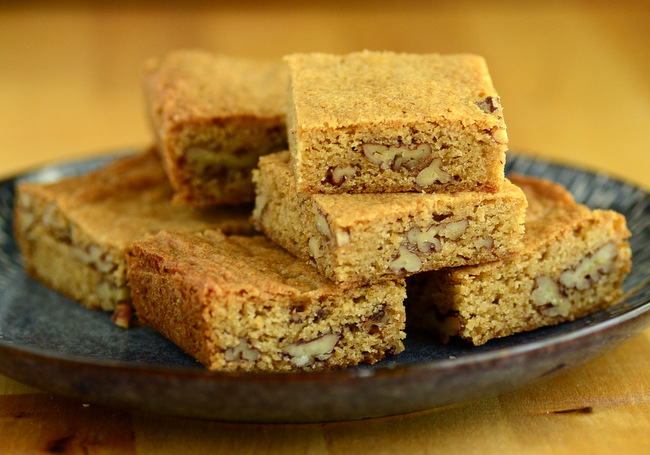
Butterscotch may conjure up images of hard, toffee-like candies, but the building blocks of butterscotch are just brown sugar, butter and vanilla and it is easy to infuse a butterscotch flavor into many different recipes by using these elements. These Butterscotch and Walnut Blondies are a perfect example. The blondies use a generous amount of brown sugar that melds well with the flavor of the butter in the blondie batter and delivers a rich and not-too-sweet butterscotch flavor to these satisfyingly chewy bar cookies.
The blondies are easy to make and only require a few ingredients, all of which you probably have in your pantry if you bake on a regular basis. The most important element of these brownies is the brown sugar, which is what really gives them their butterscotch flavor. Light brown or golden brown sugar is the best choice for this recipe, as dark brown sugar will give the brownies a stronger molasses note that will dominate the butterscotch. Like my basic brownie recipe, these don’t use any leavening. This ensures that they keep a chewy texture, a very tight crumb and don’t become cakey or dry when they’re in the oven.
My favorite part of these blondies is the contrast between the chewiness of the blondies themselves and the crispness of the walnuts. I use untoasted walnuts, which still have a nice crunch but seem to have a more pronounced buttery flavor to them than toasted walnuts. You could use other nuts in these, though the walnuts work so well that they’re bound to win you over even if you’re not a big walnut fan.
+Continue Reading

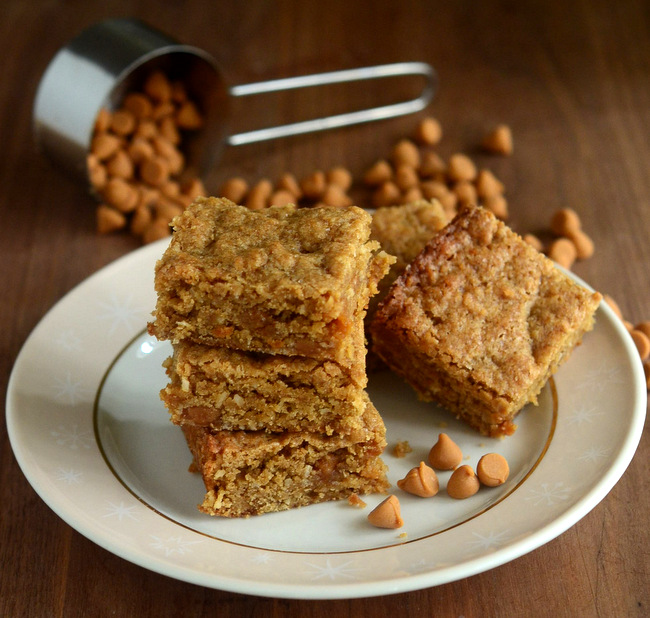
Butterscotch chips are something of a novelty in the chocolate chip aisle at the grocery store. Butterscotch itself is a thick dessert syrup made with brown sugar and butter. It has a rich, buttery sweetness that goes well with many other flavors. Butterscotch chips typically have a brown sugar and butter flavor to them and are a much easier way to add some sweetness to a recipe than dealing with butterscotch syrup (which is much more difficult to mix into a batch of cookies!).
Butterscotch chips are generally made with sugar, some type of vegetable shortening, milk, natural/artificial flavorings and colorings to capture that amber butterscotch color. Guittard’s Butterscotch Chips are no exception, but unlike other butterscotch chips they use real vanilla and, while sweet, don’t have an artificial super-sweetness to them that some other butterscotch chips do. You can eat them straight out of the bag (which I wouldn’t necessarily recommend with some of the sweeter chip brands) or incorporate them into a favorite recipe. Besides the vanilla, you can easily taste notes of brown sugar/molasses with a hint of dairy in these. They are a pale amber color in the bag and bake up to be a bright orange. Some butterscotch chips I’ve baked with remain hard even after baking, but these soften up fairly quickly in the oven and leave you with a much creamier overall feel – in addition to a good butterscotch flavor – than similar chips of other brands.