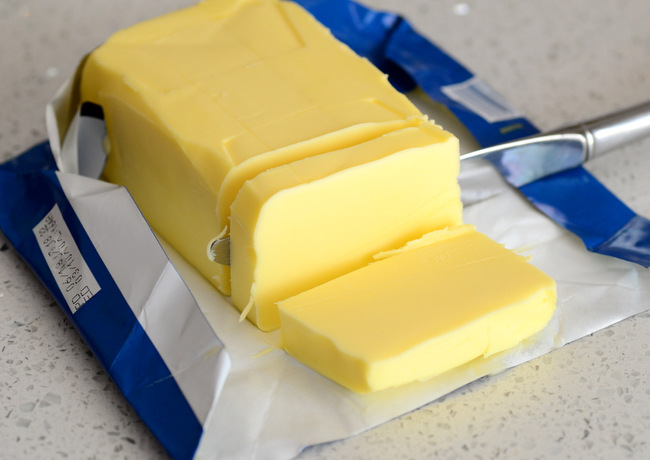
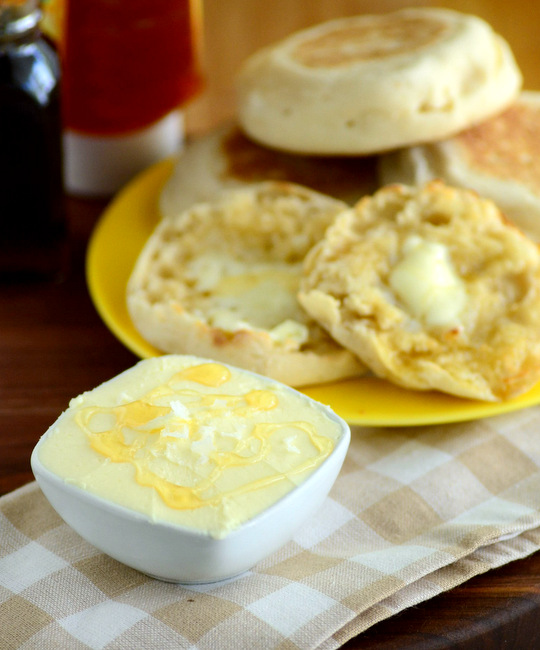
Butter is typically used in one of three ways in a recipe: cold, softened or melted. Cold butter is typically cut in to a mixture of dry ingredients. Softened butter is used in recipes that require the butter to be creamed, such as cookie dough and frostings. Melted butter can be used in many recipes, and often it is stirred into a dry mixture along with other “wet” ingredients, such as eggs and milk. The vast majority of baking recipes call for butter to be cooled down after being melted and before being added to the rest of your ingredients, but very few recipes define how cool the butter needs to be before you can use it.
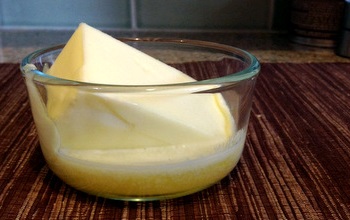
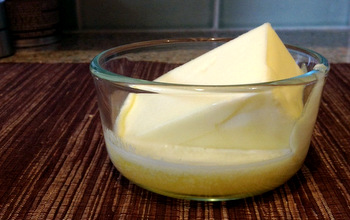
In just about all recipes, butter should be cooled down to just above room temperature before you use it. Depending on how much butter you’ve melted and how hot you made it while melting, this could take anywhere from 1 – 5 minutes. You don’t need to use a thermometer to check the temperature, but a basic guideline is that the liquid butter should be cool enough to handle easily and not so cold that it starts to resolidify. If a recipes needs the butter to be hot instead of room temperature, it should explicitly mention it.
Butter can be melted quickly in the microwave or slowly on the stovetop, and it can be made plain or cooked until it has become browned butter. When it is very hot, melted butter can actually melt the sugar in your recipe or even cook the eggs. In the case of the sugar, this can drastically change the texture of your finished product, and accidentally cooking the eggs can give your recipe flavors you didn’t expect (and definitely don’t want – especially where desserts are concerned).

Butter can be used in many different forms in a recipe. Cold butter is usually cut into flour for pastry or biscuits. Softened butter is usually creamed with sugar for cookies and cakes. Melted butter typically used for cakes and quick-mixing recipes like muffins and quick breads. Recipes call for butter in different ways. When you’re dealing with solid butter, measuring is easy, but I often get askedĀ ”how are you supposed to measure melted butter in a recipe?” Some recipes call for “butter, melted” and others call for “melted butter,” and it can be a bit confusing at times.
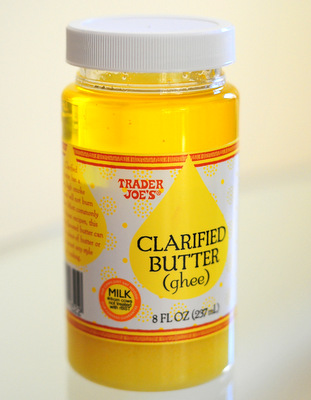
The short answer is that you measure the butter before melting it, then you melt it and add it to your recipe. This is definitely the most common way of measuring melted butter and it is most likely the way that the person writing your recipe intended for you to do it. A very small amount of weight might be lost when you melt the butter (especially if you melt it at a pretty high temperature) because a little water will evaporate as the butter melts, but this should not have a measurable impact on the finished recipe. The only times when you want to melt the butter first and then measure it out are when your recipe calls for butter that is primarily used in a liquid form, such as browned butter, clarified butter or ghee.

The brand of butter that you buy may be influenced by where you shop, the price of the butter and even the packaging. most people don’t take the time to realize that not all butters are created equal and that the flavor can vary quite a bit from brand to brand. In a recent test, the magazine Real Simple tasted and compared 78 different brands of butter to pick out their favorites in a variety of different categories.
Best Unsalted: Land o’ Lakes, which had a very creamy flavor and smooth texture. This is a favorite butter for baking.
Best Salted: Kate’s Homemade, which is “batch churned the old fashioned way” and is studded with crystals of sea salt
Best Organic: Organic Valley Unsalted, much more flavorful than other organic unsalted butters and made from antibiotic and pesticide free milk. This is another good choice for baking
Best Whipped: Organic Valley, made from butter with air whipped into it for a light, spreadable consistency. Great for topping toast, potatoes, etc.
Best European-style: Plugra Unsalted, uses less water and more butterfat than regular butters, this one is intensely rich and creamy.
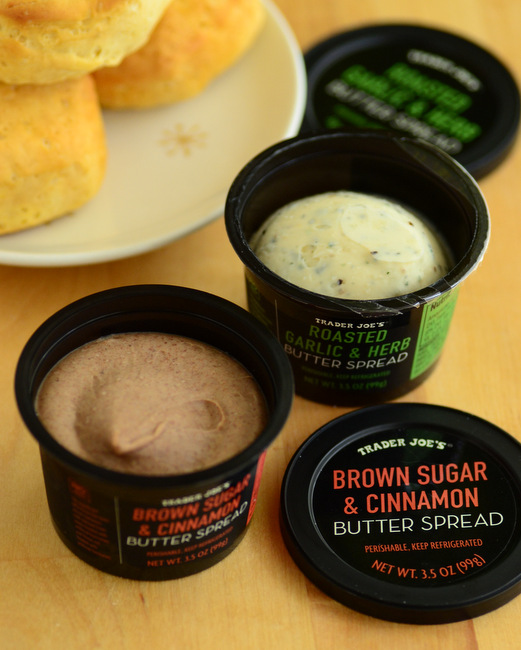
The magazine also gave a nod to Country Crock Spreadable butter, which is a blend of butter and canola oil that is good as a spread and topping, and to Brummel & Brown Made with Nonfat Yogurt as a “butterlike”-spread, as another good topping. Land o’ Lakes Light butter was smooth and mild, again made for spreading on toast. None of these choices are good for cooking or baking because they contain things besides pure butter, but they’re not bad choices (in addition to all of the high scoring brands mentioned above) to keep in your fridge for bagels, toast and other foods that might need a little smear of butter.

Butter is a staple in the the kitchens of every baker and is a crucial building block for all kinds of recipes, from simple chocolate chip cookies to flaky croissants. Most baking is done with plain, simple unsalted butter. This type of butter is labeled “sweet cream” butter and is available in every supermarket in the US. Over the past few years, European style cultured butters have been joining sweet cream butter on market shelves, boasting a richer texture, more flavor and double or triple the price of sweet cream. European style butters have a higher fat content than sweet cream butter (83-86% compared to 81-82%) and they are inoculated with bacterial cultures and allow to “ripen” before churning, giving them a more complex flavor.
In a recent issue (Nov/Dec 2011), Cook’s Illustrated set out to find The Best Butter in a taste test of seven cultured European-style butters and three regular sweet cream butters. They tasted the butters alone, when spread on plain crackers, and when baked into their recipe for French butter cookies to see how the butters stacked up when baking. The results were somewhat surprising, as the Cook’s Illustrated team learned that one type of butter was not better than another across the board.
+Continue Reading

With just a few exceptions, most baking recipes call for butter to be softened or at room temperature. Softened butter spreads easily onto bread and toast, and it whips up into a fluffy mixture with sugar that helps produce a fine, tender crumb in baked goods. Chilled butter is too hard to cream into sugar easily and melted butter simply begins to dissolve the sugar, and does not create the light mixture produced by creaming.
The best way to soften butter is by leaving it out on the counter for an hour or so before you will need to use it. The exact time will vary depending on the temperature in your kitchen and in hot weather your butter will soften much more quickly than in cold! Softened butter should yield easily to a gentle squeeze of the wrapper and it should have an easy-to-spread consistency, so that a butter knife can easily cut through it and scoop some up. The butter should not be so soft that it cannot hold its shape or that it has begun to melt. If it is very hot, keep a close eye on softening butter so that it does not over-soften and pop it back into the fridge before it gets to that point if you’re not ready to use it.
If you need to soften your butter quickly, it is not a good idea to pop it in the microwave for a few seconds. This can melt the butter and, while it will probably not have a big impact in a batch of chocolate chip cookies, it actually can impact the fluffiness of the crumb in a cake recipe. The best thing to do is to chop the butter up into small pieces, as they will soften faster than a whole block of butter. You can put the pieces into a mixing bowl and beat it (starting on low speed) with a mixer or the paddle attachment of a stand mixer to encourage it to soften. A few minutes of mixing along with 10-15 minutes of sitting out in small pieces should soften the butter enough to use in a recipe.