Archive for: brown sugar

Butterscotch is a confection that has a distinctive flavor of brown sugar and butter. Butterscotch can often be found as a sauce or a hard candy, but the word is also used to describe other foods – cakes and cookies, for instance – that combine the flavors of brown sugar and butter together. A basic butterscotch recipe is not very different from a basic caramel sauce recipe, and the only real difference is the type of sugar used, as the molasses notes in brown sugar are essential to the flavor of butterscotch. Early butterscotch recipes even called for molasses or treacle to be added to regular caramel recipes to give them a more distinctive flavor.
Butterscotch, as a caramel, is frequently used as an ice cream topping and as a flavor for frostings, candies and pudding. You will get a distinct butterscotch flavor from many baking recipes that call for high amounts of brown sugar and butter, as well. Despite the “scotch” in the name, butterscotch does not typically contain any scotch, although it does go well with it and you could certainly add a splash to a cake or buttercream to give the flavor some more dimension!
Butterscotch baking chips are another common form of butterscotch, and are familiar to many bakers. The baking chips typically contain artificial flavorings and don’t have the same rich flavor as actual butterscotch candies. They are also very sweet, and are typically better baked into other goodies than eaten on their own. That said, they are easy to use and are definitely an easy way to get a little bit of butterscotch into a recipe.

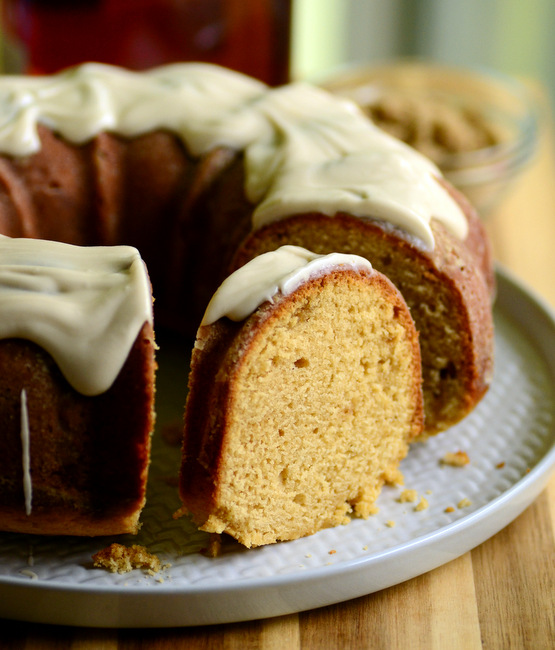
There is a lot of flavor packed into this deceptively simple looking Browned Butter Banana Cake with Brown Sugar Frosting. You might not know it at a glance, but the cake is rich with the flavors of sweet bananas and brown sugar, floral vanilla and nutty – and addictive – browned butter. This is the kind of everyday cake that is easy to make and absolutely satisfying to eat, with lots of flavor and very little work involved in putting it together.
The first step in making this cake is browning the butter, which can be done on the stovetop or in the microwave. Browned butter has an amazing nutty flavor to it that adds a lot of dimension to baked goods made with it. The butter is stirred into the rest of the cake ingredients, which go together a lot like your average banana bread recipe. I added a few walnuts before baking to give my cake a bit of crunch, though that is entirely optional if you don’t care for nuts in your cake.The cake bakes up to be moist and slightly dense, thanks to all the bananas in the mix, but it is very tender and very satisfying. It’s not too sweet (the frosting is sweet and a nice contrast to the cake) and the combination of the brown sugar and browned butter will keep you coming back for seconds. The cake is made in an 8-inch square pan and is perfect for serving in 9 generous squares .
The frosting has a delicious brown sugar flavor to it and is spread onto the cake while it is slightly warm. It is made with melted butter, so it almost has a pourable, glaze-like consistency to it. Since it calls for melted butter and there is browned butter in the cake, you might want to consider browning your butter for the frosting when making this recipe to get a little extra browned butter in there to make the cake even more irresistible. The frosting is delicious either way, and the brown sugar flavor is one that will go well on many different types of cake as well as this one.
+Continue Reading

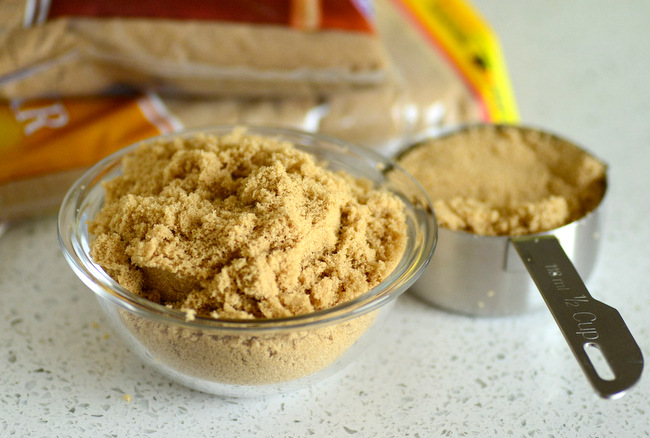
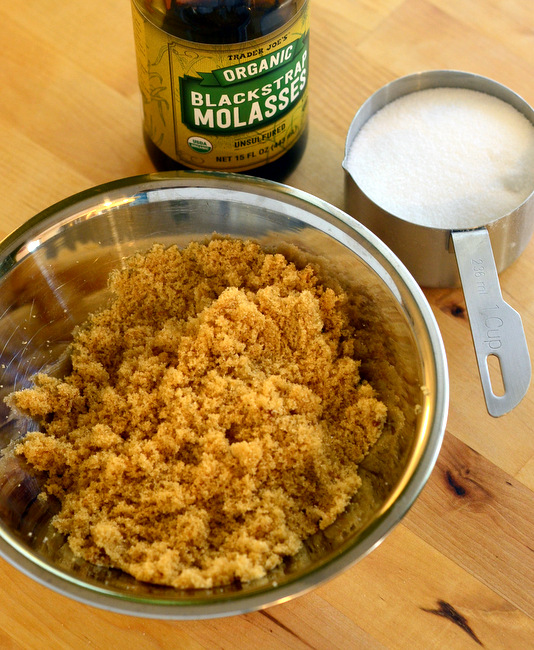
Brown sugar is white sugar that has had a small amount of molasses added to it. The molasses gives it a richer, deeper flavor than white sugar and also makes the sugar very moist. Dark brown sugar has a very strong molasses flavor, while light brown sugar is a little drier and has a much milder flavor. The two most common brown sugars are light brown and dark brown. Many grocery stores also stock golden brown sugar, which falls somewhere in between light and dark. Muscovado, which is a very dark and strongly flavored brown sugar, is also available in many grocery stores.
Although there are quite a few types of brown sugar out there, not many recipes specify what type of brown sugar they call for. Recipes don’t usually specify because the different types of brown sugars are interchangeable and will perform the same way in just about every cookie, cake, bread or other recipe that they’re included in. When recipes do make a recommendation for dark brown over light brown sugar, it’s not because of the way that the sugars function, but because of the flavors that they impart in a recipe. A darker brown sugar brings that slightly bitter molasses note to gingerbread and can add depth of flavor to chocolate cake. A lighter brown sugar is a better choice for butterscotch pudding or caramel corn, where you might want a subtler flavor in the finished product.
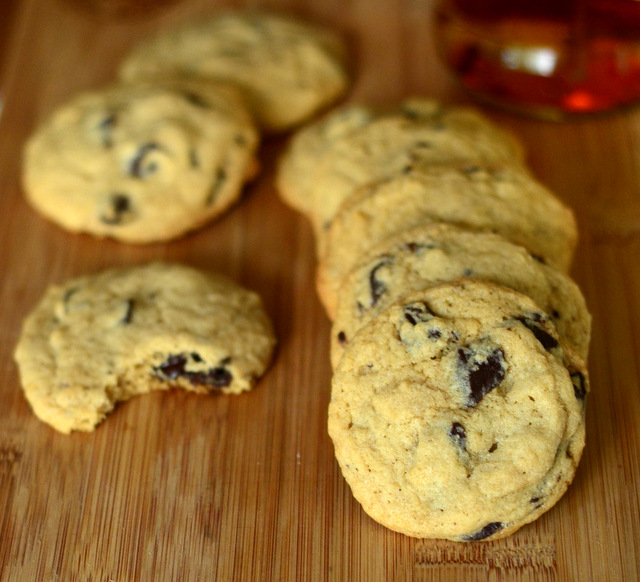
Since light brown and dark brown sugar are generally interchangeable, it is worth taking a chance and playing around with their flavors, seeing what they add to different recipes (such as chocolate chip cookie) and what type of sugar produces your favorite result.

Muffins are usually studded with berries, speckled with chocolate or laced with generous amounts of spices. They are rarely left plain because, well, plain muffins can be pretty boring. These muffins look plain and don’t have anything like berries or coconut or chocolate mixed into the batter, but when you take a bite you’ll discover that they are far from a plain muffin. These Brown Butter Brown Sugar Muffins pack an unexpected burst of flavor from both brown sugar and browned butter.
Brown sugar is often included in muffin recipes, but the caramel and molasses notes of the sugar are rarely allow to take the spotlight in favor of other ingredients in the muffin. Here, brown sugar is the main flavoring agent and, while the muffins aren’t overly sweet, you can taste the sweetness and complexity of the sugar. Dark brown sugar will give them a more distinct molasses flavor, while light or golden brown sugar will make a milder muffin. I took a few minutes to brown the butter before adding it to this recipe, and that adds a nutty, toasty flavor to the muffins that boosts the brown sugar flavor even more. I also used buttermilk in the recipe, for a buttery note and yet another layer of flavor.
The finished muffins are tender and fluffy, with a soft, moist crumb. They’re great when served plain and they’re even better when they’re split and smeared with butter. The batter is thick and will fill up standard muffin cups just about all the way to the top. This allows the muffins to get a good rise and have nicely domed tops, so don’t worry about overfilling when dividing the batter. The muffins keep well for a couple of days when stored in an airtight container. These may look plain at first glance – but they definitely don’t taste plain!
+Continue Reading

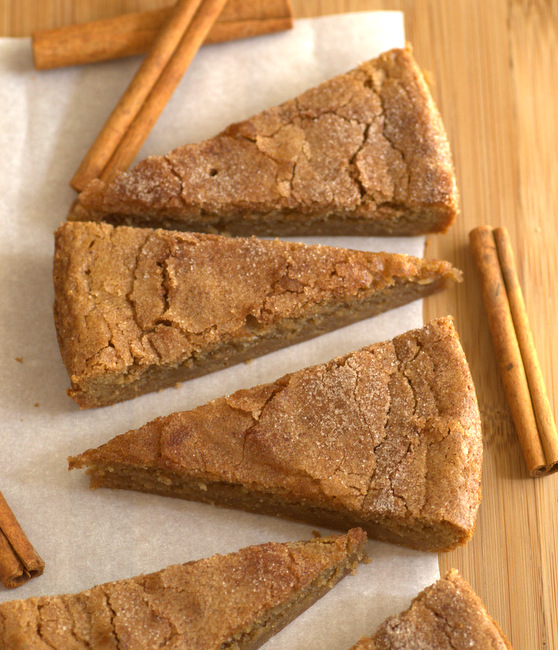
Sugar cookies are a bit underrated. They seem so plain when they’re put next to a cookie loaded up with chocolate chips or nuts. But sugar cookies are still one of the most popular cookies out there because underneath that plain exterior is a cookie that has some great flavor in spite of its simplicity. Most sugar cookies are made with white sugar and get their flavor from butter and vanilla added to the dough. I really like that simple combination of flavors in a chewy and tender cookie. These sugar cookies are made with brown sugar, so while they’re as simple as their much paler counterparts, they have more flavor than you’d get from your average sugar cookie recipe.
The sugar is the star in these cookies, although they’re not as sweet as you’d expect from a cookie that makes sugar the star. They’re just sweet enough. I used golden brown sugar, which gives the cookies a slight butterscotch note. If you use dark brown sugar, you’ll get a more distinct molasses note in your batch. The cookies are soft and tender without being cake-like, and they have a nice chew to them. Rolling them in sugar (white sugar is best for rolling) before baking doesn’t add much additional sweetness, and doesn’t take away from the overall flavor, but gives the cookies a nice crispness right around the edges.
I’ve made these cookies with half white whole wheat flour with great results. In fact, I would definitely recommend trying it that way to get a hint of nuttiness into the cookies if you have white whole wheat flour in your pantry. I do like the texture that you get from using all purpose as opposed to an all whole wheat cookie here, but the wonderful thing about this recipe is that it a great jumping off point to do a little experimentation of your own to customize them to your tastes. Roll the cookie dough in sugar and spices before baking. Use whole grain flour. Use them to make ice cream sandwiches. But above all, enjoy a good sugar cookie.
+Continue Reading