Archive for: almond

Homemade Chocolate Almond Spread

Chocolate Almond Spread
Nutella is a delicious – and addictive – chocolate hazelnut spread that is popular just about everywhere. As it has become more popular (here in the US, at least), I have noticed similar spreads popping up that feature different nuts. For instance, I’ve seen chocolate-peanut spreads and chocolate-almond spreads. I attribute the popularity of these other flavors to the popularity of these other nuts, as hazelnuts themselves aren’t nearly as commonly found in baked goods as peanuts, almonds or pecans are. That said, most nuts go very well with chocolate and I can pretty much guarantee that you would not be disappointed to find a jar of this homemade Chocolate Almond Spread in your kitchen.

The spread is made with almonds and milk chocolate, with a little bit of sugar, cocoa powder and salt to give it a little sweetness and depth. The whole thing is made in the food processor, and you’ll definitely need to use one to get a smooth, creamy texture in your spread. It is a lot like Nutella, but it has a mild almond flavor to it that goes very well with the milk chocolate. In short: it is simply delicious. You can use it just like Nutella, too, spreading it on pancakes, toast, cookies or just eating it with a spoon.

You can either toast the almonds yourself or buy them toasted, and you can use whole or sliced. I prefer to use almonds without skins since they turn out a (very) slightly smoother finished product, but it actually doesn’t make much of a difference and you won’t see the color of the skins in the spread if you choose to leave them on. If you need to smooth out your spread a little more, add in a little extra oil while the food processor is running, but otherwise you just need to be patient and let the spread blend for a few minutes. You’ll be well-rewarded in the end.

As long as it isn’t too warm out, I will typically keep a batch in an airtight container or jar and leave it on the counter in my kitchen for a few days. I can usually (with a little help!) eat through a batch within a week or so. The spread will firm up too much if you don’t keep it in an airtight container – and if that happens, you can warm it up in the microwave in a few seconds.

+Continue Reading

Almond Meal vs Almond Flour in Baking

Almond flour
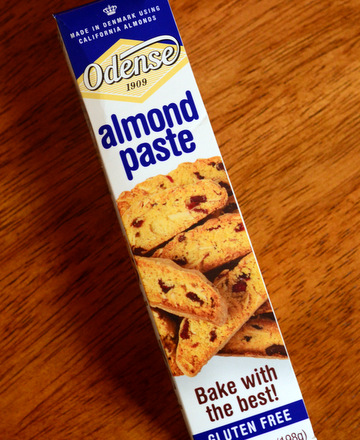
Ground almonds – also known as almond meal or almond flour – are a fairly common ingredient in many different types of recipes, from cookies, tarts and cakes to a wide variety of gluten free baked goods. It is also a popular choice for breading meats in place of, or in addition to, bread crumbs. Almond meal and almond flour both appear in ingredient lists – is there a difference between them?

Almond meal and almond flour are both finely ground almonds and there is no official difference between the two products. The terms can be used interchangeably. In practice, however, almond flour is often much more finely ground than almond meal is and has a more uniform consistency. Almond meal can be blanched (skins removed) or unblanched, while most products labeled almond flour are blanched. For most recipes, you can use almond meal or almond flour, regardless of which is specifically called for in a recipe and get good results. There are a few recipes out there, however, where you should take into account the consistency of the product you’re working with. French macarons are a good example, because most bakers will want the finest almond flour that they can find (usually blanched, as well) to get the smoothest looking finished macarons. People who use almond meal for breading often prefer a coarser consistency for a little more texture.

You can make your own almond meal by whizzing whole almonds in the food processor until finely ground. If you prefer a finer consistency to your ground almonds, you can sift your homemade almond meal a few times to remove any larger pieces of almond that you might not want in your finished product.

Crispy Almond Thins

Crispy Almond Thins
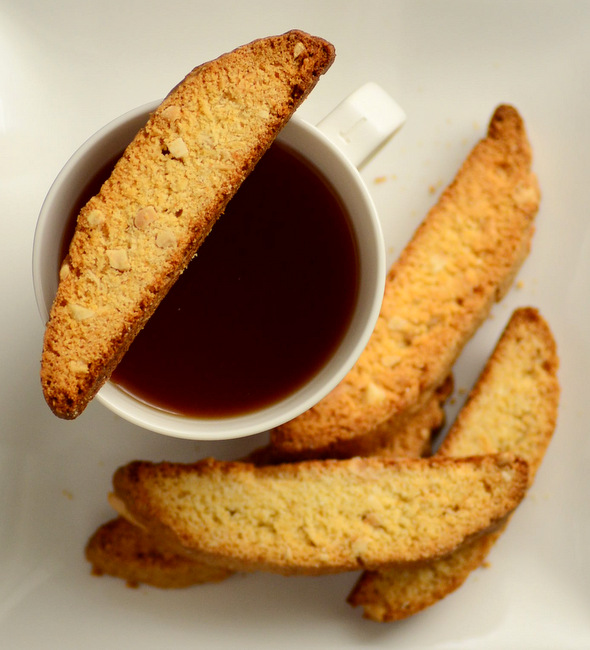
Biscotti are one of my favorite cookies to have with a cup of coffee or tea, but these Crispy Almond Thins give my usual biscotti a run for their money when it comes to being the perfect accompaniment to a cup of coffee. These cookies are thin and crisp, with a rectangular shape that makes them perfect for dipping. They have a good flavor of brown sugar and almonds, both of which go with most any coffee or tea, and they keep extremely well when stored in an airtight container.

Crispy Almond Thins are slice and bake cookies, meaning that the dough is shaped and chilled, then sliced into uniform pieces before baking. The dough for these cookies is fairly stiff, so it is not difficult to shape it into a rectangular log before chilling it. Use a very sharp knife to slice the cookies so that you can easily get thin slices. Thinner cookies will be crisper than thicker ones (although an extra minute in the oven usually does the trick if yours come out a little thicker), and are a little bit more addictive. I aim to get my cookies just over 1/8-inch thick when I slice them so that if they end up a little thicker, I have some wiggle room.

I like these cookies as-is, with their nice balance of almonds and brown sugar, but this is an easy cookie to dress up, too. You could try dipping them in chocolate or adding a chocolate drizzle to one side of the, or you could add some extra spice to the cookies and turn them into something similar to a gingersnap, with cinnamon and cloves.

+Continue Reading

Vanilla Almond Tart Crust

Vanilla Almond Tart Dough
Vanilla and almond is a good combination in just about any dessert, so it should come as no surprise that a tart crust that combines those two flavors is a terrific basic tart crust recipe. This buttery Vanilla Almond Tart Crust has ground almonds and vanilla extract in it, and bakes up into a crisp and tender crust that can be used for all kinds of desserts. The recipe makes plenty of dough for a 9 or 10 inch tart pan, and can also be used for a number of smaller tarts, and it works well with both baked and unbaked tart fillings. It goes particularly well with chocolate fillings and fruit fillings, and I often use it as a base for my Strawberries and Cream Cheese Tart.

This tart dough comes together easily and is much less fussy than a pie crust can be. The dough has ground almonds in it and uses cake flour, which has less gluten in it than all purpose flour, to help produce a more tender crust. The cake flour should be measured by spooning it into your measuring cup, then sifting it into the rest of the tart ingredients. Cake flour can be clumpy if it is not sifted, but for this recipe it is not necessary to sift it before measuring it out.

This tart dough is very sticky, so it is important that you chill it well before using it. That stickiness also means that the dough will be crisp and tender after baking, not tough. I usually stick the dough into a gallon-sized plastic bag, press it into a flat layer and chill it thoroughly in the refrigerator or freezer (freezer is best if you need to chill your dough quickly). I then roll it out on a lightly floured surface and am ready to line my tart pans!

+Continue Reading

Upside Down Pear and Almond Cakes

Upside Down Pear and Almond Cakes
Pears are a wonderful fruit to bake with because they become tender very quickly and get even sweeter when they spend some time in the oven. The problem with pears is that they’re so tasty on their own, it’s often difficult to sacrifice a whole bunch of pears into one dessert – no matter how delicious. One of the reasons that I like to make these little pear upside down cakes is that you only need one pear to bake a whole batch of cakes, but the finished product still packs a lot of pear flavor. The other reason is that pears and almonds are an excellent combination and these cakes are exceptionally tasty.

These Upside Down Pear and Almond Cakes are single-serving cakelets baked in a muffin pan. Thin slices of pear are placed in a mixture of butter and brown sugar that is at the bottom of the pan, and a light almond cake batter is poured on top. As the cake bakes, the sugar around the pears caramelizes and the fruit intensifies in flavor. The cakes are turned out of the pan after baking and you end up with a sweet, buttery pear layer on top of a very tender almond cake.

Although some pears are considered to be better for baking than others, these cakes have a short cooking time and that means that just about every type pear will work in this recipe. I used Comice pears, but Bosc and Bartlet are also good choices. Choose pears that are ripe but not so ripe that they’re soft and difficult to slice. I do not peel my pears because the fruit is sliced very thinly and the skins are not noticeable in the finished product, though you can peel your pears if you prefer.

If you flip these cakes out of the pan shortly after baking, you should not have too much of a problem with the cakes sticking. I prefer to use a muffin liner (even though it can be a touch more difficult to get those pears in place), where there is no chance of the pear pieces sticking to the pan. Muffin liners also mean that leftover cakes are easy to store and transport, in the event you want to turn these into a casual snack instead of a dinner party dessert.
+Continue Reading

Visit Us On FacebookVisit Us On PinterestVisit Us On TwitterVisit Us On YoutubeCheck Our Feed